

Samsung Electronics is set to roll out a significant update to its flagship health tracking platform, Samsung Health, scheduled for release this October. The update introduces substantial refinements to the application’s core features, most notably lowering the barrier to entry for the popular Sleep Coaching program and enhancing the platform’s connectivity with third-party fitness services like Strava. By reducing the data requirements for personalized sleep analysis and expanding the utility of its training tools, Samsung aims to capture a broader user base while providing more granular data for health-conscious consumers.
Streamlining Sleep Coaching: A Lower Threshold for Data Analysis
One of the most noteworthy adjustments in the upcoming release is the reduction in data requirements for the Sleep Coaching feature. Previously, users were required to track their sleep patterns for seven days within a single month to unlock the platform’s coaching modules. This often acted as a hurdle for casual users or those who found it difficult to maintain consistent monitoring for a full week.
Under the new guidelines, Samsung Health will initiate the Sleep Coaching program after just three days of sleep data collected within a two-week window. This shift signifies a pivot toward more accessible health management, acknowledging that modern users often require flexibility in how they engage with digital wellness tools.
When a user initiates the setup, they are prompted to complete a comprehensive survey that covers critical lifestyle factors: sleep regularity, frequency of interruptions, and the consumption of stimulants such as alcohol and caffeine. Combined with the now-shortened three-day data set, the application generates a personalized "Sleep Animal" symbol—a gamified representation of the user’s sleep type. Following this, the software builds a customized four-to-eight-week coaching program. This program is designed to be dynamic; as the user continues to wear their Galaxy Watch or utilize mobile sensors, the coaching adapts in real-time, reflecting shifts in sleep patterns and efficacy.
Enhanced Visualization with the Sleep Balance Graph
Beyond the algorithmic changes to coaching, Samsung is introducing a new visual aid: the pentagon-shaped Sleep Balance graph. This dashboard component synthesizes five critical metrics into a single, cohesive view: sleep duration, regularity, the amount of time spent awake during the night, subjective sleep satisfaction, and the proprietary Energy Score.
This multi-dimensional approach to data visualization reflects an ongoing trend in the wearable industry: moving away from raw data dumping and toward actionable insights. By presenting these five variables in a single geometric layout, users can instantly identify which aspect of their nocturnal routine is causing a dip in their overall health score.

Expanding Athletic Connectivity: The Strava Partnership
The update also marks a major advancement in the ecosystem’s interoperability. Samsung has officially announced a partnership with Strava, the world’s leading social platform for athletes. This integration allows users to import their favorite Strava routes—spanning running, trail running, and cycling—directly into the Samsung Health interface.
For many endurance athletes, the ability to sync preferred training routes across devices is a critical functionality. Previously, Samsung Health users often relied on manual inputs or secondary third-party apps to track specific trails. By bridging this gap, Samsung is positioning its Galaxy ecosystem as a more formidable competitor to specialized sports watches from brands like Garmin or Polar, which have long relied on route-mapping capabilities to retain their professional-grade user base.
Evolutions in the Running Coach
The Running Coach feature within Samsung Health has also received a technical overhaul. Recognizing the varied fitness levels of its users, Samsung has expanded its training tiers from 10 levels to 12. This expansion provides a more granular progression path for athletes, whether they are training for their first 5K or working to improve their marathon times.
Furthermore, the update addresses the social aspect of fitness. The platform now allows users to export their workout statistics into share-ready templates tailored for major social media platforms. In an era where "social fitness" is a primary driver for user engagement, this feature simplifies the process of sharing achievements without requiring third-party image editing tools.
Contextualizing the Update: A Broader Industry Trend
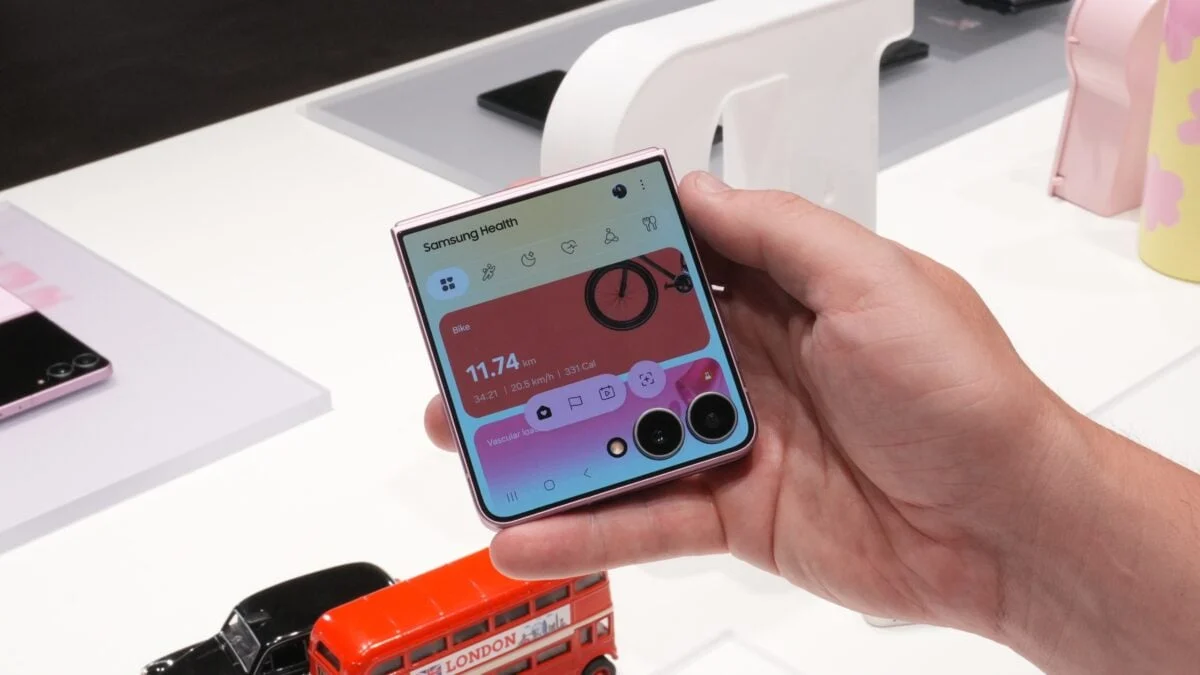
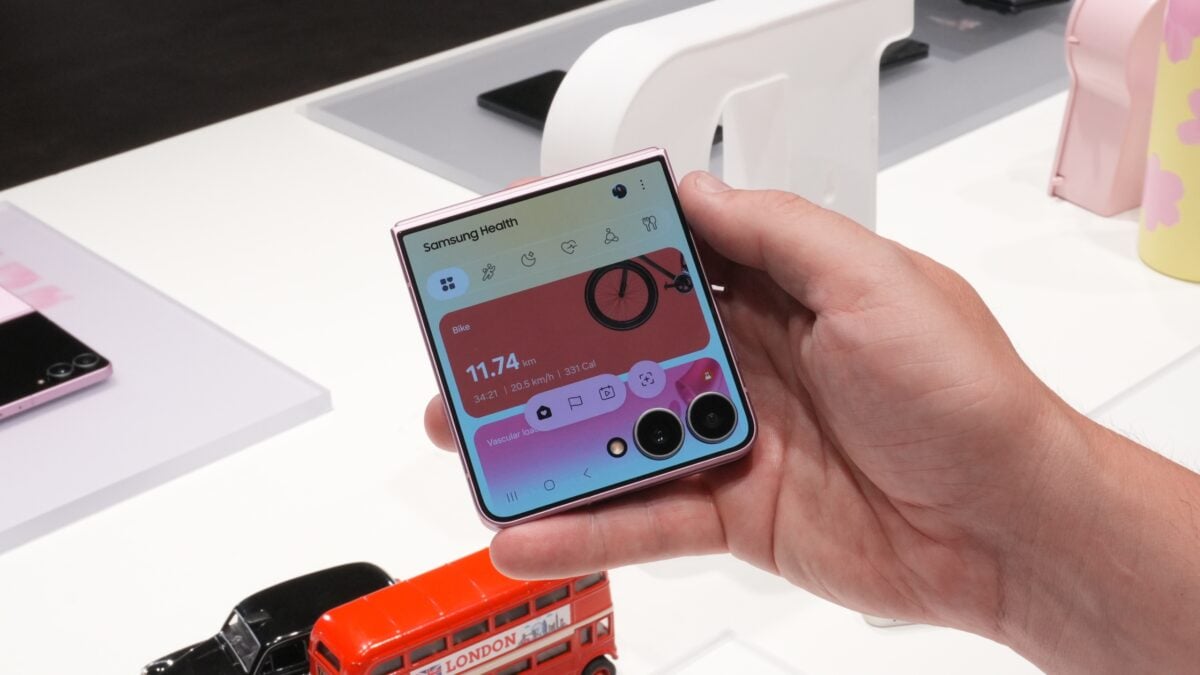
This update comes at a pivotal time for Samsung’s mobile division. With the recent launch of the Galaxy Z Flip 8 and the ongoing refinement of the Galaxy Watch series, the company is doubling down on health-centric hardware-software synergy. The ability to view health metrics on the cover screen of a foldable device, as highlighted in recent marketing, demonstrates that Samsung views its health suite as a primary selling point for its premium hardware.
Industry analysts observe that this shift toward "actionable health" is a necessary evolution. As the wearable market matures, hardware specifications—such as processor speed or display brightness—are becoming secondary to the quality of the software experience. By lowering the entry barrier for coaching and increasing third-party app integration, Samsung is effectively reducing "churn," the rate at which users stop using a fitness app after the initial novelty fades.
Implications for Future Health Tracking
The inclusion of the Energy Score and the pentagon-based balance graph suggests that Samsung is moving closer to a holistic "Wellness Score" model. This aligns with recent innovations in the sector, where competitors like Oura and Whoop have successfully marketed their products based on a single, easy-to-understand metric. By consolidating sleep, activity, and recovery metrics into a simplified UI, Samsung is catering to a demographic that prioritizes efficiency over raw data analysis.
Furthermore, the expansion of the Running Coach suggests that Samsung is not merely targeting the "casual walker" demographic but is also attempting to capture the serious runner market. The integration of Strava is perhaps the most significant strategic move here, as it effectively taps into an established community of millions of users who are already invested in the Strava ecosystem.
Timeline and Rollout
Samsung has confirmed that these enhancements are not tied to a specific hardware release, but will be delivered to the global user base via a standard application update through the Google Play Store and the Galaxy Store. The rollout is scheduled to commence in October.
While the core functionality will be available to most modern Android devices running the latest version of Samsung Health, certain advanced features—such as the Energy Score and specific watch-based coaching metrics—will remain optimized for users paired with compatible Galaxy Watch devices.
Conclusion
The upcoming October update to Samsung Health represents a strategic maturation of the platform. By reducing the data requirements for Sleep Coaching and deepening the integration with Strava, Samsung is addressing two of the most common user requests: simplicity and connectivity.
As the competition between Apple Health, Google Fit, and Samsung Health continues to intensify, these incremental updates serve as the primary battleground. For the end user, these changes mean a more responsive, personalized, and socially connected experience, ensuring that the data captured by their wearable devices translates into meaningful lifestyle improvements. Whether these changes will be enough to sway users of dedicated sports-focused hardware remains to be seen, but for the average Samsung Galaxy owner, the value proposition of their health suite has undeniably strengthened.
