


Samsung’s trajectory for its 2027 flagship lineup has come into sharper focus following a series of technical disclosures regarding the upcoming Galaxy S27 Ultra. As the industry anticipates the next evolution of the South Korean tech giant’s premium smartphone segment, recent reports suggest that Samsung is pursuing a dual-track strategy: pushing for extreme display refinement while simultaneously embracing a more substantial camera module to accommodate advanced imaging hardware.
The latest intelligence, shared by industry analyst Ice Universe, indicates that the Galaxy S27 Ultra will feature display bezels measuring just 1.28mm. This marginal reduction from the 1.32mm bezels found on the Galaxy S26 Ultra represents a continued push toward the "all-screen" aesthetic that has defined the premium smartphone market for nearly a decade. While a reduction of 0.04mm may seem negligible to the casual observer, it underscores Samsung’s ongoing commitment to maximizing screen-to-body ratios and refining the front-facing aesthetics of its flagship devices.
However, this pursuit of aesthetic minimalism at the front is being countered by an increase in physical dimensions at the rear. The same reports suggest that the Galaxy S27 Ultra’s camera housing will measure approximately 4.69mm in thickness. This represents a slight, yet notable, increase from the 4.5mm to 4.6mm range observed on the predecessor. The expansion of this housing is widely interpreted by market observers as a necessary trade-off for the integration of more sophisticated sensor technology, potentially including larger apertures, enhanced optical zoom capabilities, or improved sensor-shift stabilization systems.
Chronology of the Galaxy S Series Evolution
To understand the significance of these design shifts, one must look at the historical trajectory of the Galaxy S-series. Since the transition from the rounded corners of earlier iterations to the sharp, utilitarian design language of the Ultra series, Samsung has consistently attempted to balance internal component density with consumer demands for ergonomic portability.
The Ultra model, which cemented its identity as the successor to the Galaxy Note series, has historically functioned as a testbed for Samsung’s most ambitious engineering projects. From the implementation of the 200MP sensor to the integration of the S-Pen, the design language has evolved to prioritize utility. The shift toward a wider, more pronounced camera bar—a departure from the individual "floating" lens design seen in previous years—marks a significant pivot in industrial design.
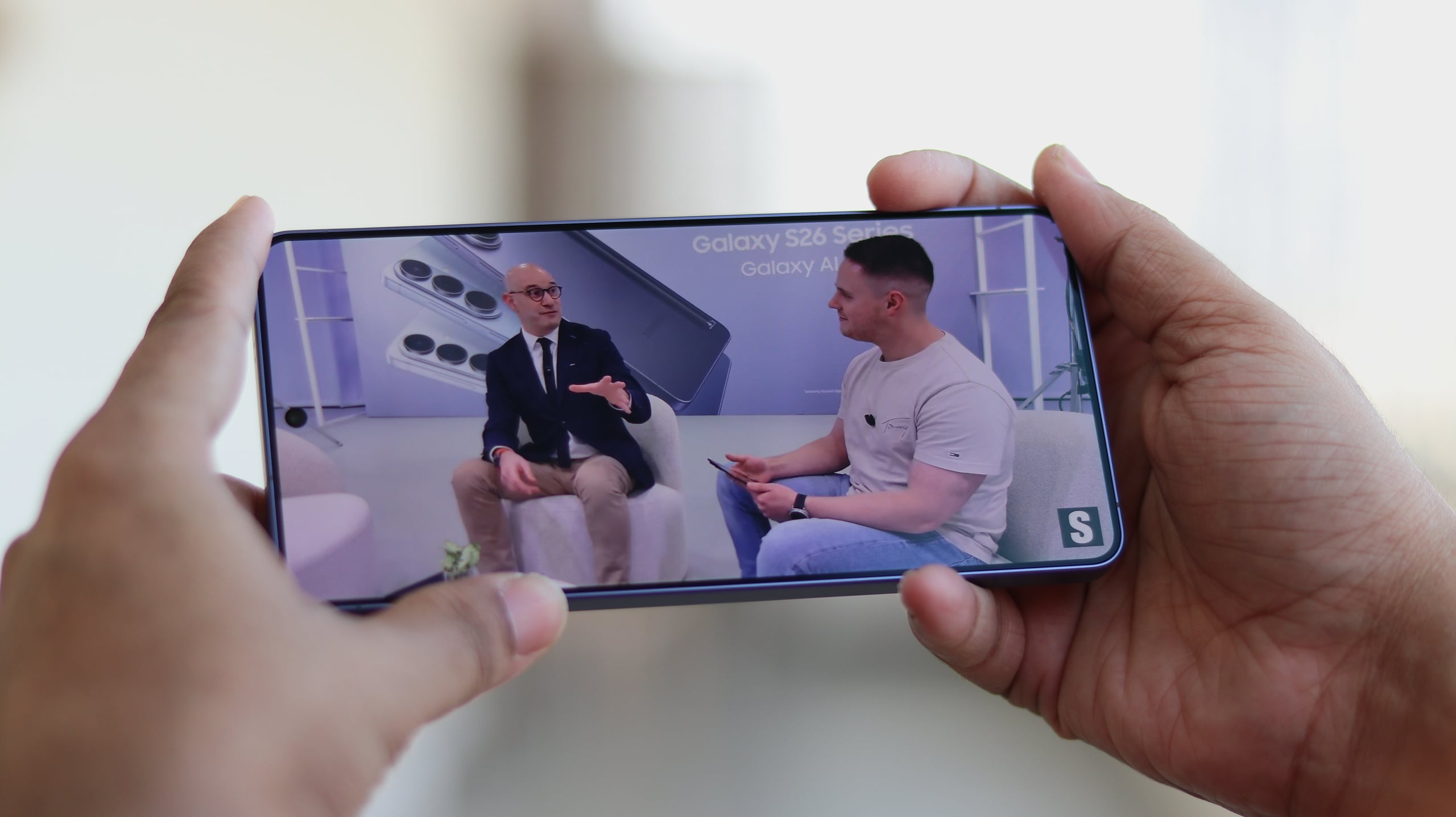
Industry analysts point to the 2025 and 2026 cycles as the foundational period for this current design shift. As Samsung moves toward 2027, the diversification of the lineup—including the potential introduction of an S26 Pro model—suggests a strategic attempt to capture a broader market segment by catering to users who desire premium specs without the sheer footprint of the Ultra model.
Strategic Implications of the Camera Bump Expansion
The decision to increase the camera bump thickness is rarely arbitrary in the context of mobile engineering. In the modern smartphone market, the "camera hump" has become an unavoidable reality of physics. As manufacturers seek to improve low-light performance and focal length versatility, the depth of the lens assembly becomes the limiting factor.
A thicker camera module on the Galaxy S27 Ultra likely points to two specific technical advancements. First, it may accommodate a more complex periscope zoom mechanism, which requires significant vertical space within the chassis. Second, the increased depth could house a larger primary sensor, which would allow for superior light gathering and dynamic range.
From a manufacturing perspective, these hardware changes pose challenges for the integration of internal cooling solutions. With processors becoming increasingly powerful, heat dissipation is a critical concern. By increasing the depth of the camera module, Samsung may be creating additional surface area for heat to radiate away from the mainboard, or conversely, utilizing the extra space to accommodate larger battery cells to compensate for the increased power draw of high-performance imaging chips.
Anticipating the 2027 Galaxy Unpacked Event
While an official invitation for the upcoming Galaxy Unpacked event has not yet been issued, historical patterns strongly favor a launch window in January or February 2027. Samsung has consistently utilized the first quarter of the calendar year to establish its market dominance, often positioning its flagships against the backdrop of global technology conferences such as CES or shortly thereafter.
The broader 2027 lineup is expected to be the most fragmented to date. While the base Galaxy S26 and S26+ are projected to maintain the familiar vertical camera orientation that has become synonymous with the brand’s identity, the Pro and Ultra models are expected to signal a departure toward a unified, full-width camera bar. This design choice not only differentiates the high-end tier but also provides a more stable foundation for the device when placed on flat surfaces, effectively addressing a long-standing user complaint regarding the "wobble" associated with asymmetrical camera bumps.
Industry Context and Competitive Landscape
Samsung’s design adjustments occur in a market where competition from Chinese manufacturers and Apple remains intense. Competitors have recently experimented with titanium frames, variable aperture lenses, and ultra-slim bezel technologies, forcing Samsung to refine its own manufacturing processes.
The move toward 1.28mm bezels puts Samsung at the bleeding edge of display manufacturing. Achieving such thin tolerances requires advancements in display panel bonding and frame-integrated circuitry. Failure to manage these tolerances can lead to structural weaknesses or increased repair costs, making the upcoming S27 Ultra a critical stress test for Samsung’s assembly line precision.
Furthermore, the introduction of an "S26 Pro" model into the ecosystem suggests a shift in marketing strategy. By adding a new tier, Samsung is attempting to bridge the gap between the standard flagship and the "Ultra" enthusiast device. This segmentation allows Samsung to experiment with radical design changes on the Ultra and Pro models while maintaining a "safe" and familiar design for the base models that drive high-volume sales.
Conclusion and Future Outlook
As the release of the Galaxy S27 Ultra draws closer, the focus remains on whether these physical changes—the thinner bezels and the thicker camera module—will result in a tangible improvement in user experience. While the aesthetic appeal of thinner bezels is undeniable, the true value of the S27 Ultra will be determined by the performance of its imaging stack.
Samsung has consistently demonstrated an ability to iterate on its hardware, even when those iterations involve unconventional trade-offs. The expansion of the camera housing is a testament to the fact that the company prioritizes optical performance over total device slimness. For the consumer, this suggests that the S27 Ultra will continue to be a powerhouse device, prioritizing photographic fidelity and display immersion over the diminishing returns of a thinner chassis.
As we await formal announcements, the industry will continue to monitor the supply chain for further leaks regarding battery capacity, processor architecture, and the software enhancements likely to accompany the new hardware. The 2027 cycle appears poised to be one of the most transformative in the Galaxy series’ history, marking a potential shift in both the visual identity and the technical philosophy of Samsung’s mobile division. The company’s ability to successfully harmonize these competing design goals—thinner fronts and more capable, thicker backs—will likely define the success of its flagship strategy in the coming years.
