
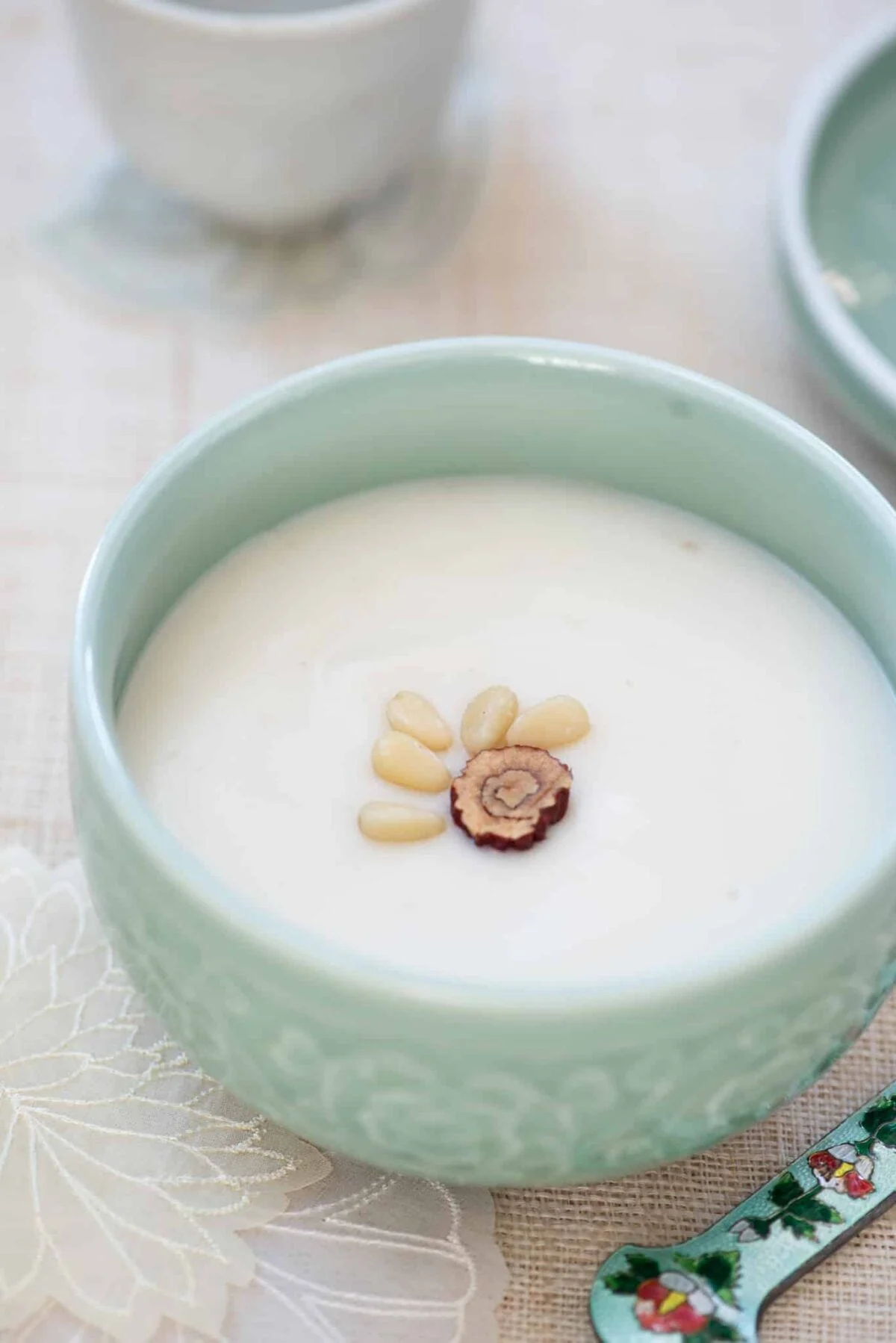
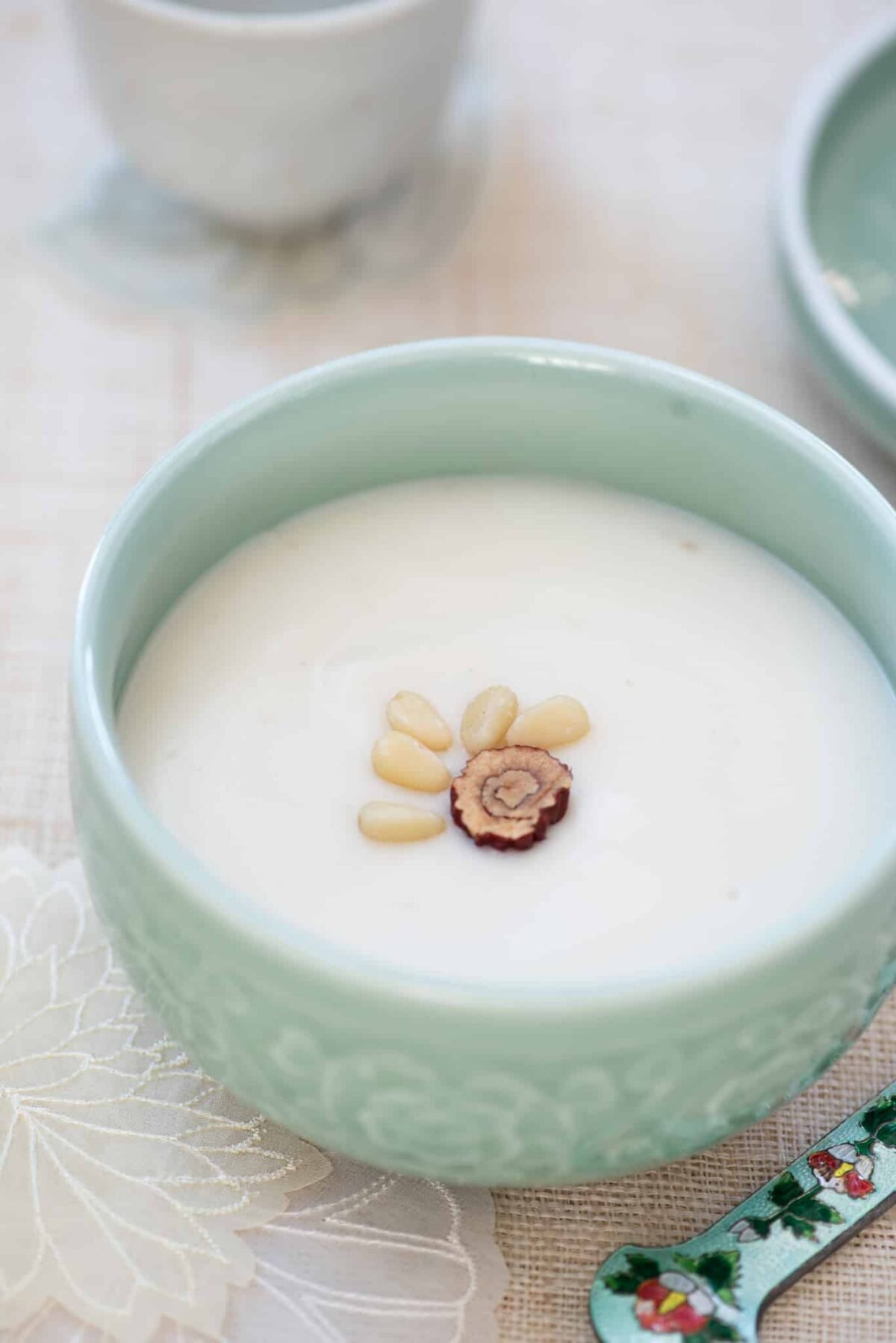
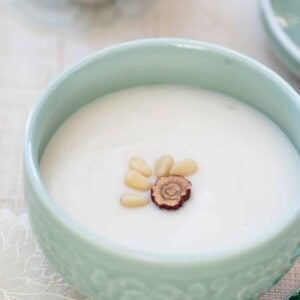
Jatjuk, a traditional Korean porridge crafted from finely ground rice and pine nuts, stands as a testament to the subtle yet profound flavors and nutritional benefits found in Korean cuisine. This creamy, delicately nutty, and deeply comforting dish is more than just a meal; it represents a culinary heritage that emphasizes wholesome ingredients and time-honored preparation methods. While often enjoyed as a breakfast staple, particularly on cooler mornings, its gentle nature makes it an ideal restorative food for those feeling unwell, offering a significant energy boost without taxing the digestive system. The sophisticated taste and high nutritional profile of jatjuk have long established it as a delicacy in Korea, primarily due to the prized pine nuts, which are rich in healthy fats, proteins, antioxidants, and essential minerals.
The Significance of Pine Nuts in Korean Gastronomy
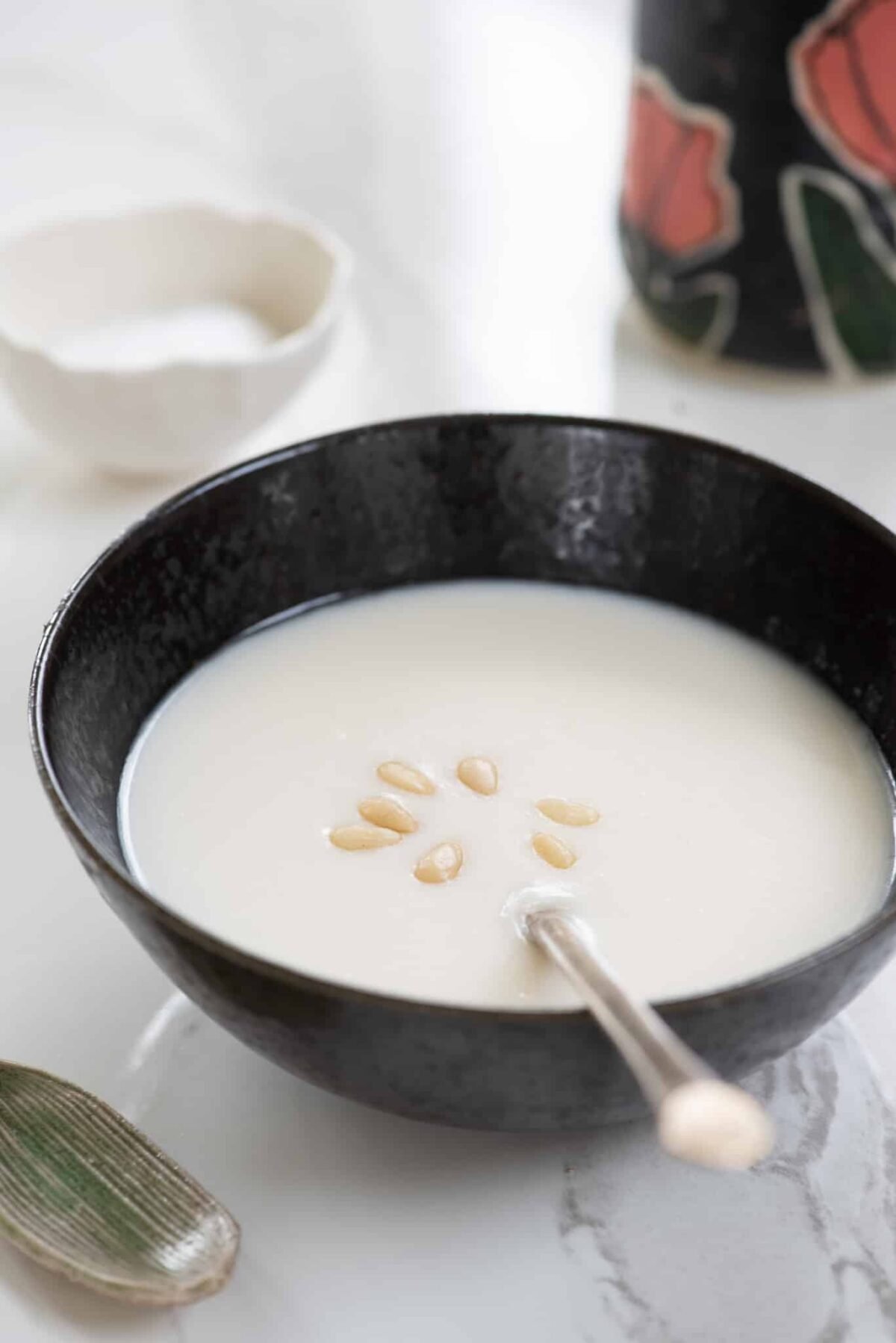
Pine nuts, known as jat in Korean, hold a special place in the country’s culinary landscape. Their inclusion in various dishes, from sweet to savory, highlights their versatility and esteemed status. In dishes like Yaksik (sweet rice with dried fruits and nuts) and Sikhye (a traditional rice punch), pine nuts often serve as an elegant garnish, adding a textural contrast and subtle nutty aroma. They are also integral ingredients in dishes like Baekkimchi (white kimchi), where their mild flavor complements the fermentation process, and in dressings such as the pine nut dressing for salads, or enriching the creamy texture of Kongguksu (chilled soy milk noodle soup). The inherent richness and delicate flavor of pine nuts are central to the appeal of jatjuk.
The Art of Making Jatjuk: Balancing Tradition and Technique
The preparation of jatjuk involves the meticulous simmering of finely ground rice and pine nuts. The process relies on the natural emulsification of rice starch and pine nut fats, which ultimately yields the porridge’s signature velvety texture. However, achieving this perfect consistency can be a culinary challenge for many, with the risk of producing a watery or clumpy result. This common pitfall is largely attributed to the presence of amylase enzymes in pine nuts, which can break down rice starch during cooking, potentially thinning the porridge. Understanding and mitigating this enzymatic activity through precise cooking techniques is crucial for a successful jatjuk.
Key Steps in Preparing the Perfect Jatjuk
The journey to a perfect bowl of jatjuk begins with the careful preparation of its core ingredients.
Pine Nut Preparation
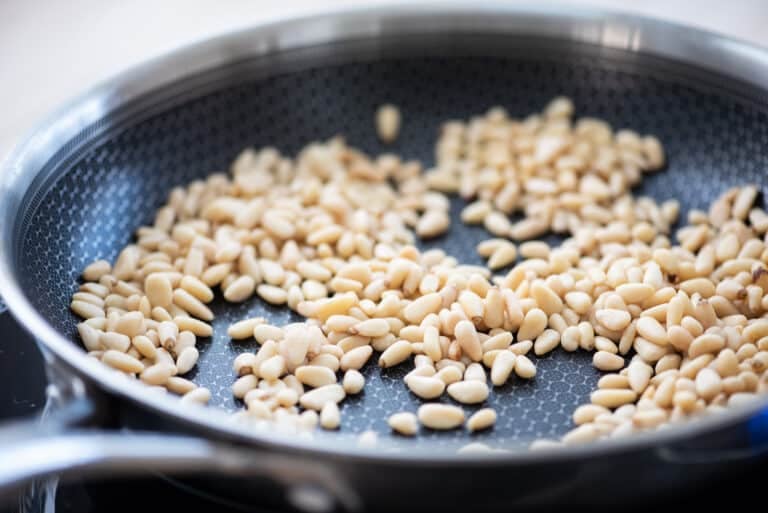
The initial step involves rinsing the pine nuts under cold water to remove any dust or debris. Following this, a light toasting in a dry pan over medium-low heat for approximately three to four minutes is recommended. This process, which should avoid browning the nuts, enhances their flavor and aroma. While this toasting step is optional, it significantly contributes to the depth of flavor in the final dish.
Ingredient Ratios: The Foundation of Flavor and Texture
A balanced ratio of rice to pine nuts is essential for achieving the desired rich, nutty flavor and creamy consistency. A 1:1 ratio of rice to pine nuts is often preferred for maximum nutty depth and buttery smoothness. However, individuals can adjust this ratio, reducing the amount of pine nuts if desired, though it is advised to maintain at least a 2:1 ratio of rice to pine nuts to preserve the characteristic flavor and creamy texture. Crucially, even when reducing the quantity of pine nuts, the amount of water should not be altered to compensate.
The Critical Rice-to-Water Ratio
The viscosity and final consistency of any rice porridge are heavily influenced by the rice-to-water ratio. For many Korean rice porridges, such as Dakjuk (chicken porridge) or Jeonbokjuk (abalone porridge), a ratio of 1:6 is common, adjusted based on the desired thickness. Jatjuk, however, requires a significantly different approach due to the enzymatic properties of pine nuts. A reduced water ratio of 1:3 is recommended to counteract the thinning effect of the amylase enzymes.
The Blending Process
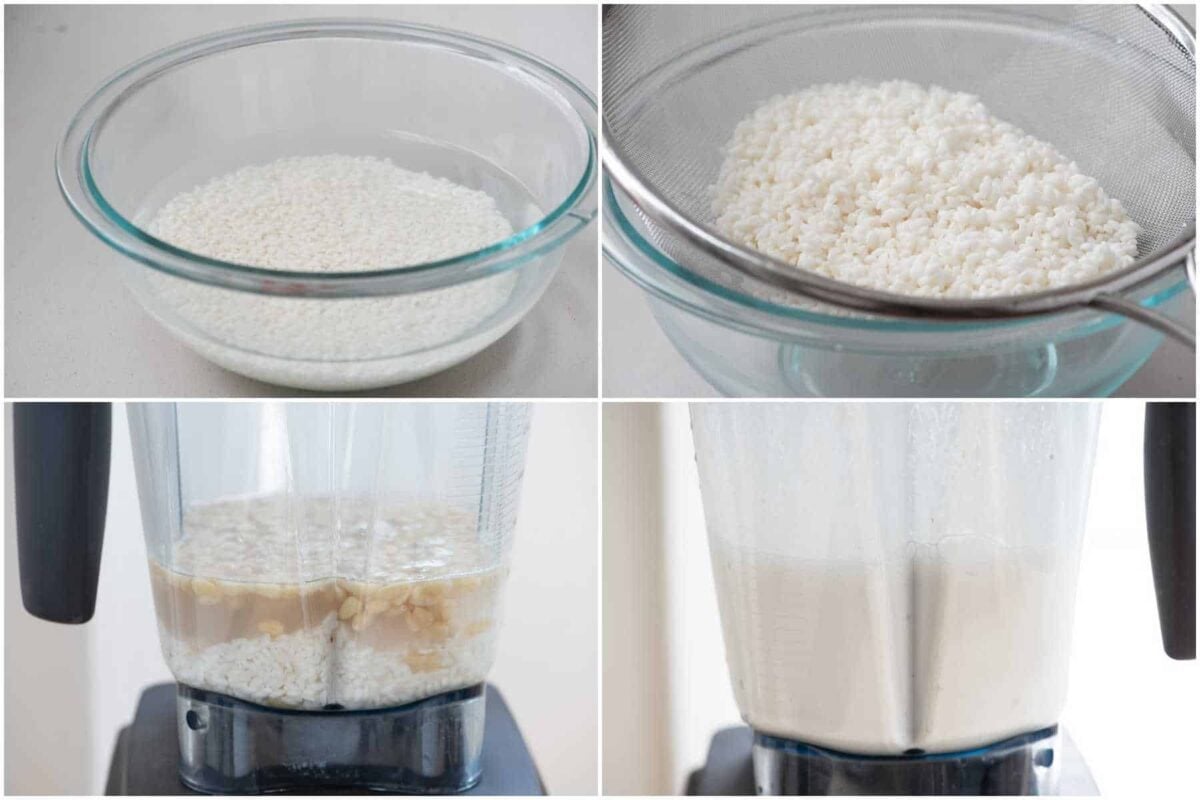
The preparation of the base for jatjuk involves rinsing the rice, followed by soaking it for at least an hour, or longer, before draining. In a blender, the soaked rice and prepared pine nuts are combined with two cups of water. The mixture is then blended until it achieves a milky liquid consistency, which typically takes about 30 seconds, though this can vary depending on the blender’s power. Any remaining rice and pine nut sediment can be rinsed from the blender with the remaining water and added to the mixture.
The Cooking Phase: Patience and Precision
The cooking of jatjuk is a delicate process that requires consistent attention and adherence to specific techniques.
Simmering to Perfection
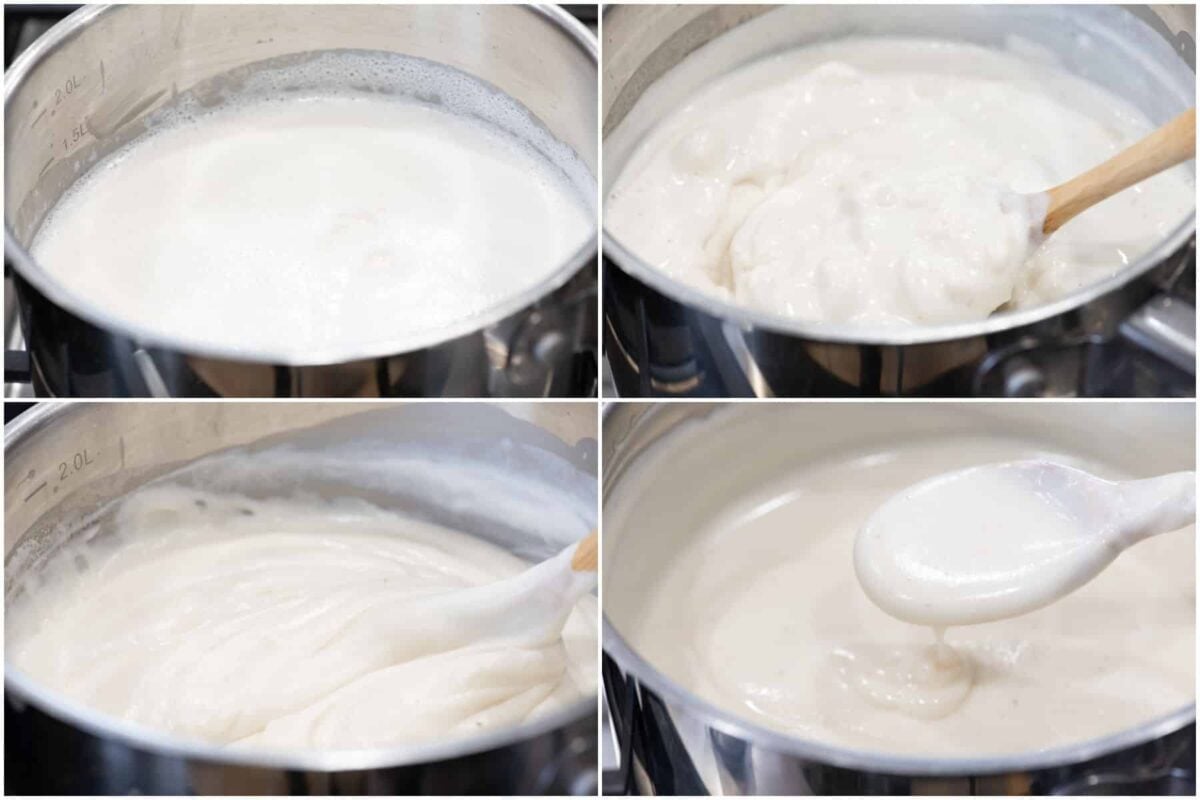
The blended mixture is then transferred to a pot and cooked over medium heat. Gentle, frequent stirring is paramount, ensuring that the mixture is scraped from the bottom of the pot to prevent sticking and clumping. Initially, the porridge may thicken and form clumps, but as it continues to simmer, it will gradually transform into a smooth and thin consistency.
Denaturing Enzymes for Stability
While finely pureed rice cooks relatively quickly, the simmering process for jatjuk needs to be extended, typically for over 20 minutes. This extended simmering time serves a dual purpose: it ensures the development of a perfectly smooth texture and, critically, denatures the amylase enzymes present in the pine nuts. Failing to simmer sufficiently can result in the porridge becoming thinner and more watery as it cools or sits after cooking, compromising its desirable creamy texture.
Storage and Reheating Guidelines
Jatjuk offers excellent storage and reheating capabilities, making it a practical choice for meal preparation. It can be refrigerated for up to four to five days and also freezes well for longer-term preservation. When reheating, it is best to do so gently on the stovetop or in the microwave until just hot. Care should be taken to avoid boiling the porridge, as this can lead to a runny consistency, diminishing its characteristic thickness.
Exploring Other Korean Porridge Varieties

The world of Korean porridge, known as juk, is diverse and offers a range of flavors and nutritional profiles. Beyond jatjuk, popular varieties include:
- Dakjuk (Chicken Porridge): A hearty and nourishing porridge made with chicken.
- Jeonbokjuk (Abalone Porridge): A luxurious and nutrient-dense porridge featuring abalone, often considered a delicacy.
- Hobakjuk (Kabocha Porridge): A subtly sweet and comforting porridge made from kabocha squash.
- Patjuk (Sweet Red Bean Porridge): A traditionally enjoyed during winter solstice, this sweet porridge is made from red beans.
- Turkey Porridge: A resourceful use of Thanksgiving leftovers, demonstrating the adaptability of Korean porridge-making techniques.
These varied juk recipes underscore the cultural importance of porridge in Korean cuisine, providing comfort, sustenance, and a connection to culinary traditions.
The enduring appeal of jatjuk lies in its simplicity, its nutritional richness, and its ability to offer a sense of comfort and well-being. As a dish that bridges the gap between everyday nourishment and refined culinary artistry, jatjuk continues to be a cherished part of Korean food culture, celebrated for its delicate flavor and restorative properties.
For those seeking further inspiration in Korean culinary arts, a wealth of resources is available. Engaging with platforms such as YouTube, Pinterest, Twitter, Facebook, and Instagram can provide continuous insights into traditional and contemporary Korean cooking.
The provided recipe for Jatjuk (Pine Nut Porridge) details the ingredients and instructions necessary for its preparation, offering a practical guide for enthusiasts to recreate this nourishing dish at home. The notes section offers essential advice on storage and reheating, ensuring the enjoyment of jatjuk over several days.
