
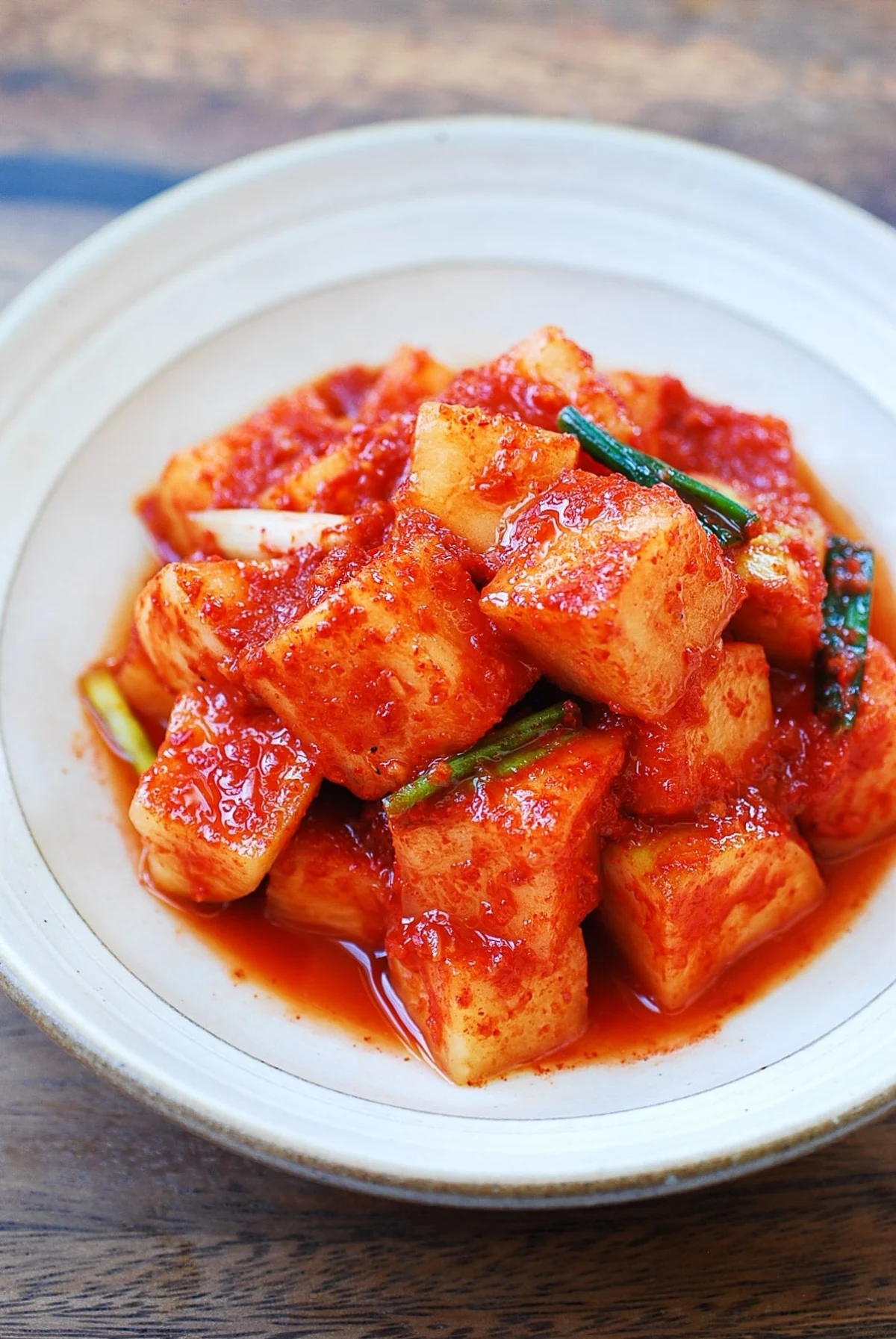
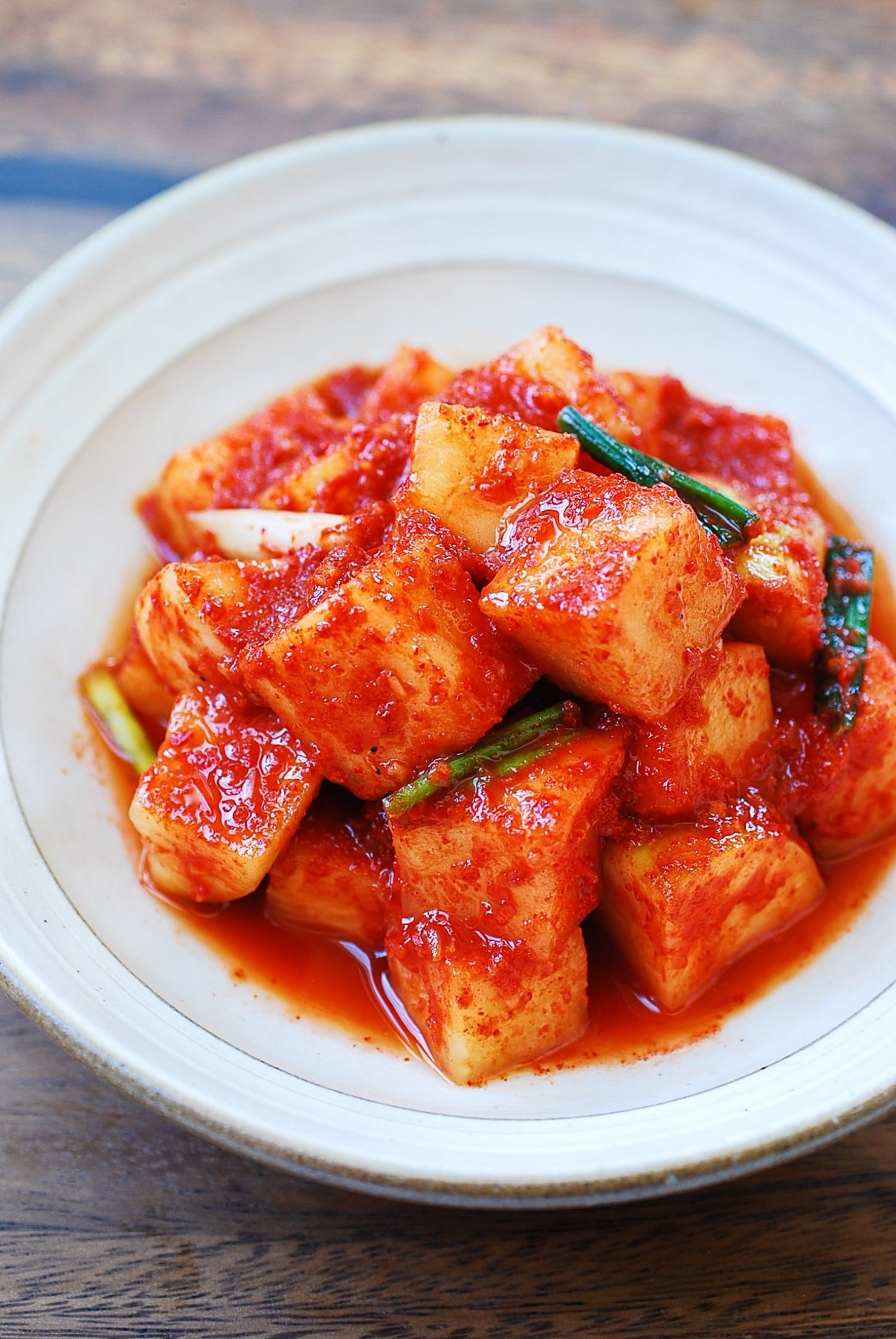
Kkakdugi, a staple in Korean cuisine, is a vibrant and flavorful kimchi crafted from Korean radish (mu or moo). Its name directly reflects its preparation: the radish is cut into bite-sized cubes, offering a delightful textural contrast to its often softer kimchi counterparts. This popular side dish, known for its satisfying crunch, spicy kick, and deep umami notes, is surprisingly accessible for home cooks seeking to bring a taste of Korea to their tables.
Understanding the Star Ingredient: Korean Radish (Mu)
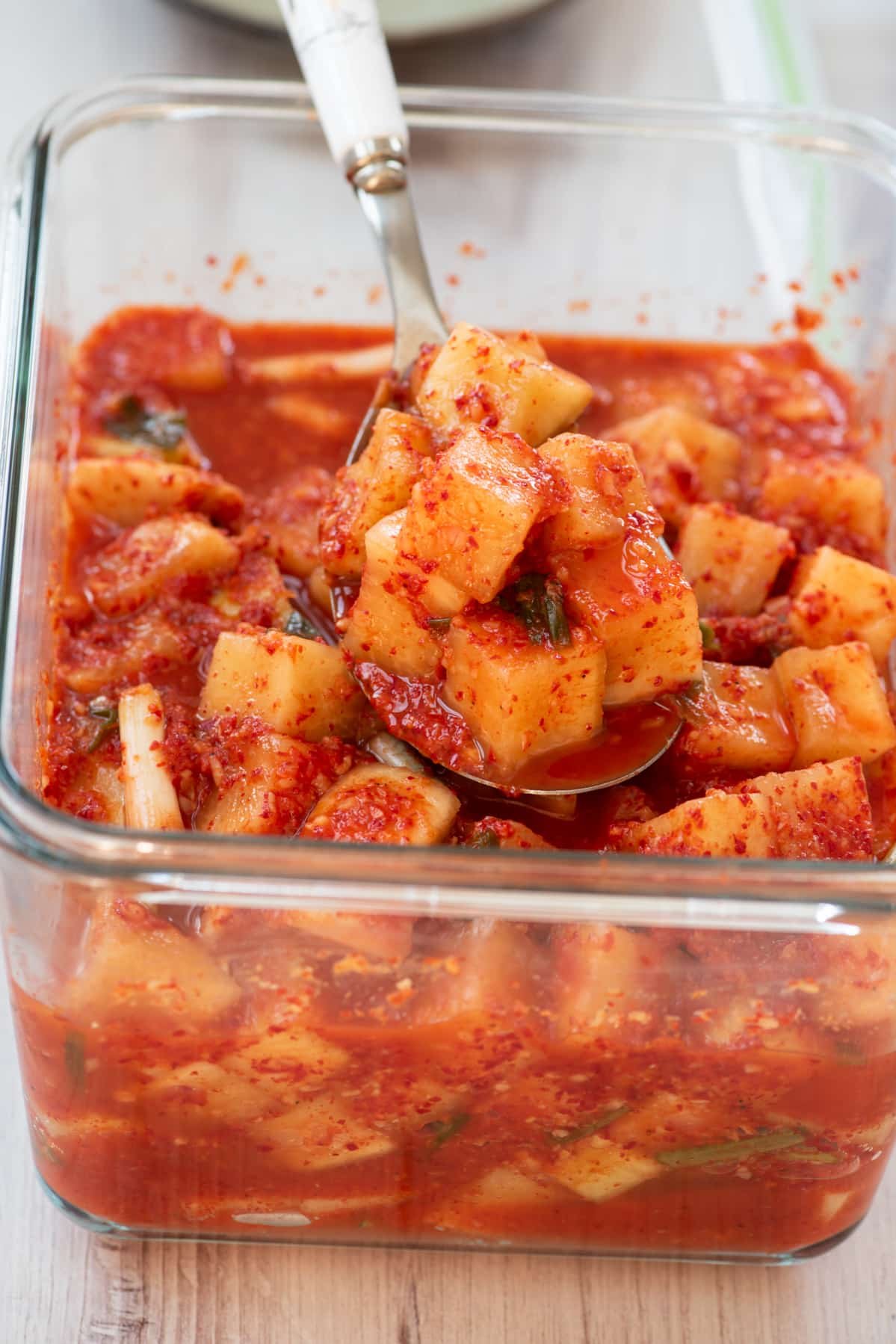
The foundation of kkakdugi is the Korean radish, a distinct variety of white radish characterized by its firm, crisp flesh and a subtly sweet, peppery flavor profile. This root vegetable thrives in cooler climates, meaning its peak season for optimal taste is typically autumn and winter. While it can be enjoyed year-round, summer radishes may sometimes exhibit a slight bitterness. To counteract this, home cooks can incorporate sweeteners such as granulated sugar or Korean plum syrup (maesilcheong) into the kimchi brine to achieve a more balanced flavor.
When selecting Korean radishes for kkakdugi, look for specimens with smooth, unblemished skins that feel firm and heavy for their size. These indicators suggest a radish with ample moisture and a crisp texture, ideal for kimchi-making.
The Art of Cubing: Precision in Preparation
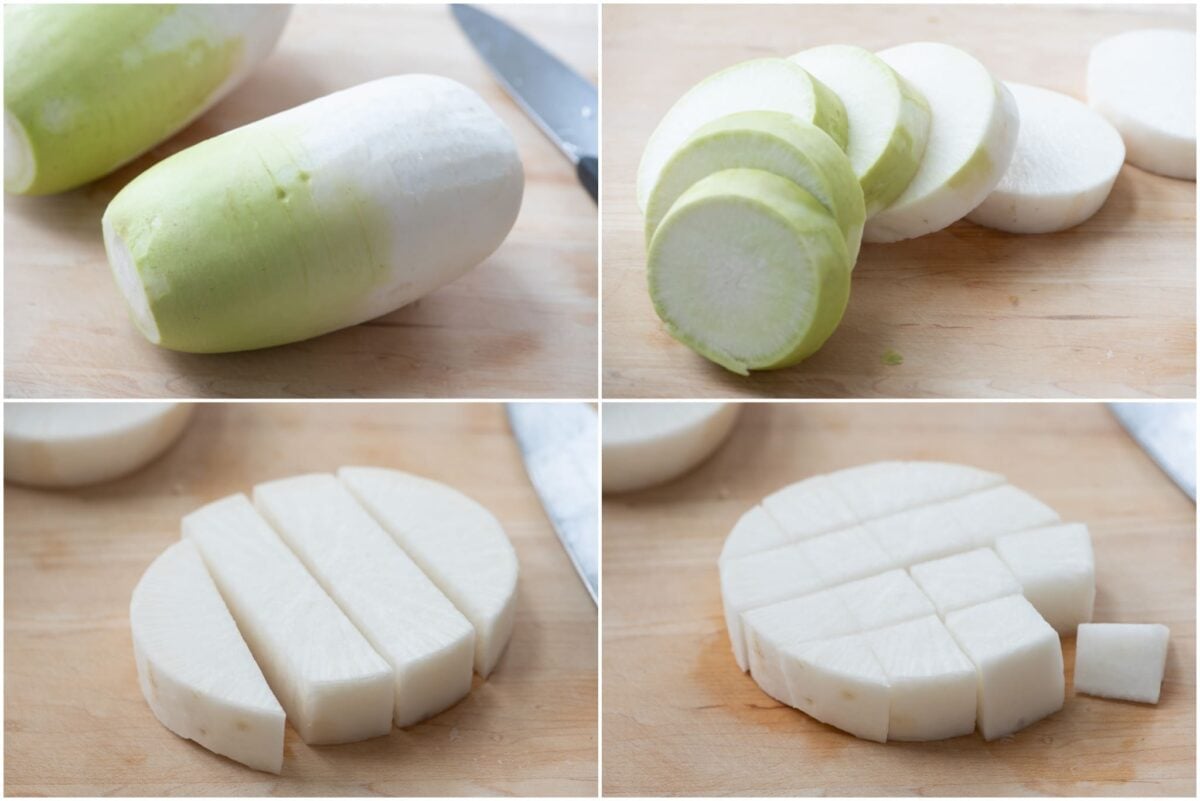
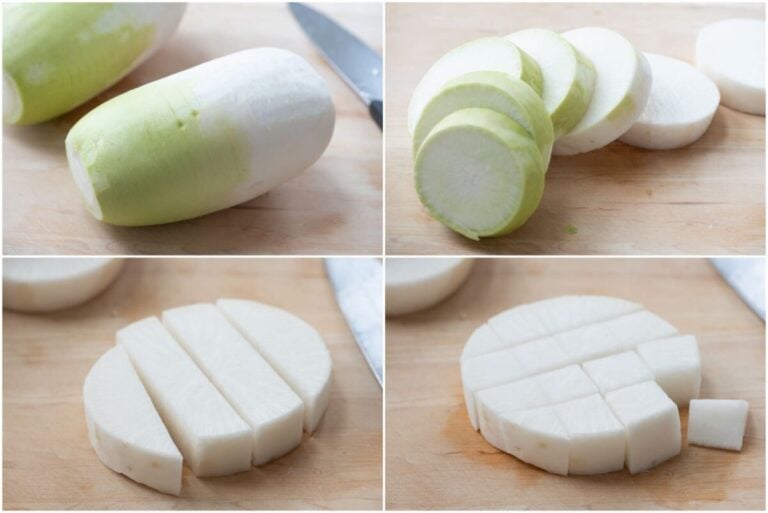
The distinctive "kkakdugi" cut involves transforming the whole radish into uniform cubes. The process begins by slicing the radish into thick discs, approximately 3/4 to 1 inch in thickness. Each disc is then cut into several equal sticks, the number depending on the diameter of the radish. Finally, these sticks are turned 90 degrees and cut again into cubes of the same 3/4 to 1-inch dimension. This meticulous cubing ensures consistent texture and even distribution of the seasoning paste throughout the kimchi.
The Salting Process: Drawing Out Moisture for Crunch
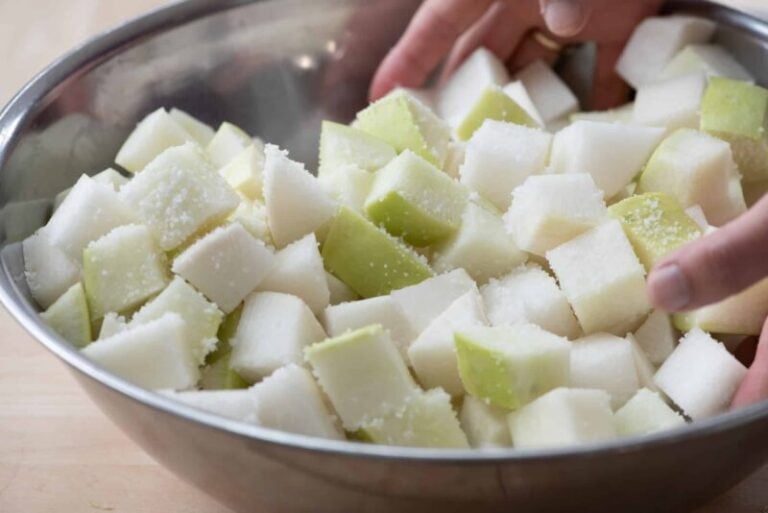
A crucial step in achieving the signature crunch of kkakdugi is the salting process. Radishes, like many vegetables, are composed of a significant amount of water (over 90%). Salting draws out this excess moisture, concentrating the radish’s natural flavor and creating a firmer, more resilient texture that holds up well during fermentation.
For this purpose, Koreans traditionally use coarse sea salt. However, any coarse salt will suffice. The key is to adjust the quantity based on the grain size. For instance, three tablespoons of Korean coarse sea salt might be roughly equivalent to 2.5 tablespoons of coarse kosher salt or about 2 tablespoons of finely granulated Morton’s canning and pickling salt.
The salt is generously sprinkled over the cubed radishes and tossed thoroughly to ensure even distribution. The moisture released by the radish quickly dissolves the salt. The mixture is then left to sit for approximately one hour, with the radishes being tossed and rotated every 20 minutes or so to promote uniform salting and water extraction. The duration and amount of salt used can be adjusted to achieve a desired level of moisture removal.
Draining: A Critical Step
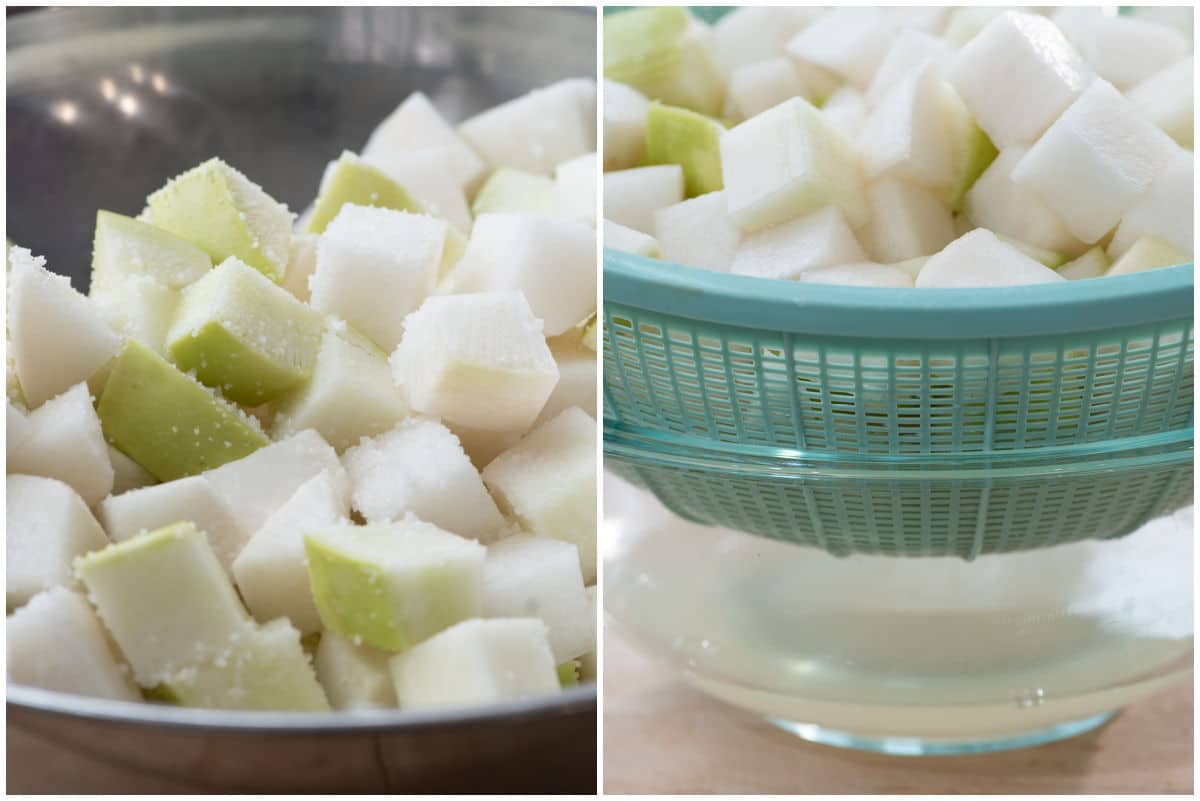
Following the salting period, the radishes will have visibly released a significant amount of water. It is imperative to drain this liquid thoroughly. Importantly, the radishes should not be rinsed. Rinsing would wash away the salt that has begun to penetrate the radish, potentially hindering the fermentation process and compromising the final texture. The drained liquid, which is highly concentrated with salt, is typically discarded.
However, a crucial exception exists for those who may not be using traditional kimchi seasonings like salted shrimp or fish sauce. In such cases, it is advisable to reserve some of this salty brine. This reserved liquid can then be used to season the kimchi, ensuring adequate salt content without over-relying on other salty fermented ingredients.
The Art of the Kimchi Paste: A Symphony of Flavors
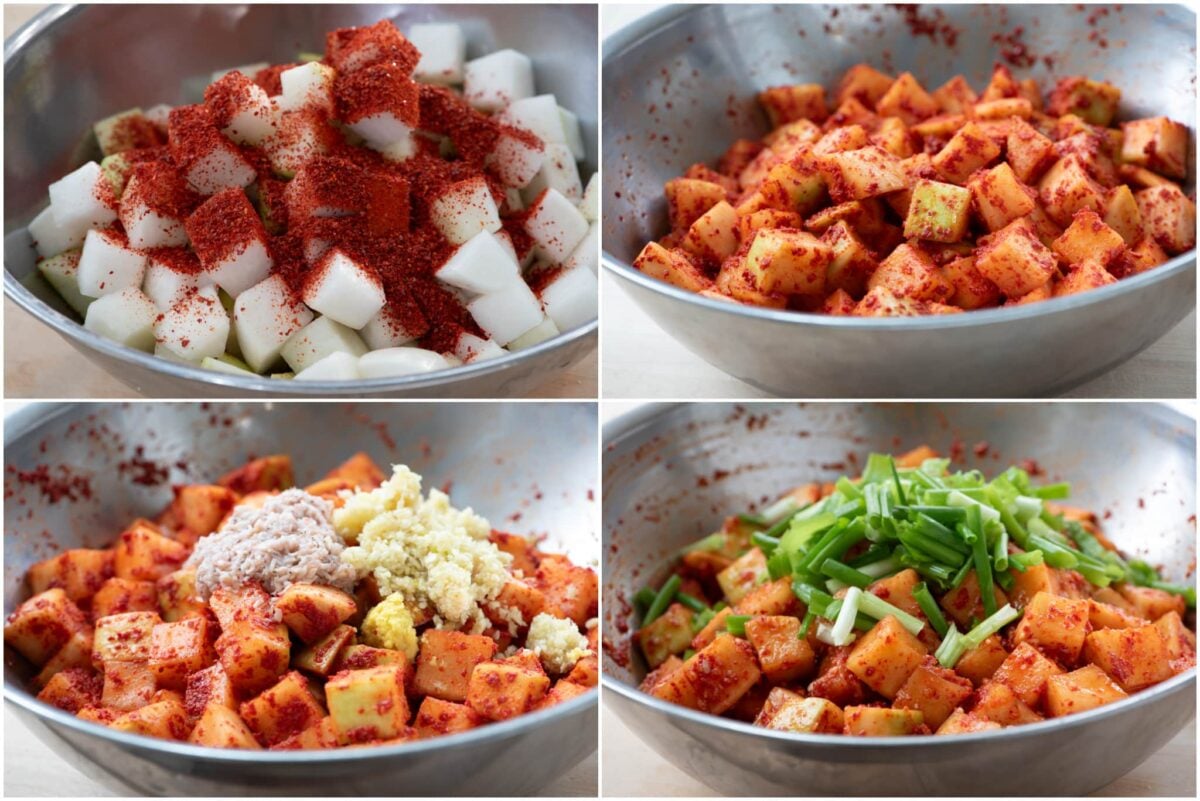
The heart of kkakdugi lies in its pungent and flavorful seasoning paste. Traditional kimchi recipes rely on a foundation of saeujeot (salted and fermented shrimp) and myulchiaekjeot (fish sauce made from anchovies) to impart a deep, complex umami flavor. These fermented seafood elements are essential for achieving the characteristic depth of traditional kimchi.
If salted shrimp is not readily available, an increased amount of fish sauce can be used as a substitute. For individuals unable to use either fermented seafood product, a combination of salt and Korean soup soy sauce (gukganjang) can be employed to season the kimchi.
The paste itself often includes aromatics such as garlic and ginger, which are typically minced or finely grated. Some recipes also incorporate optional ingredients like fruit (such as apples or pears) or cooked rice. When these optional ingredients are used, they can be blended together with the garlic and ginger, often with a small amount of water (around half a cup) to facilitate a smoother blending process. This creates a more complex flavor profile and can contribute to the kimchi’s texture.
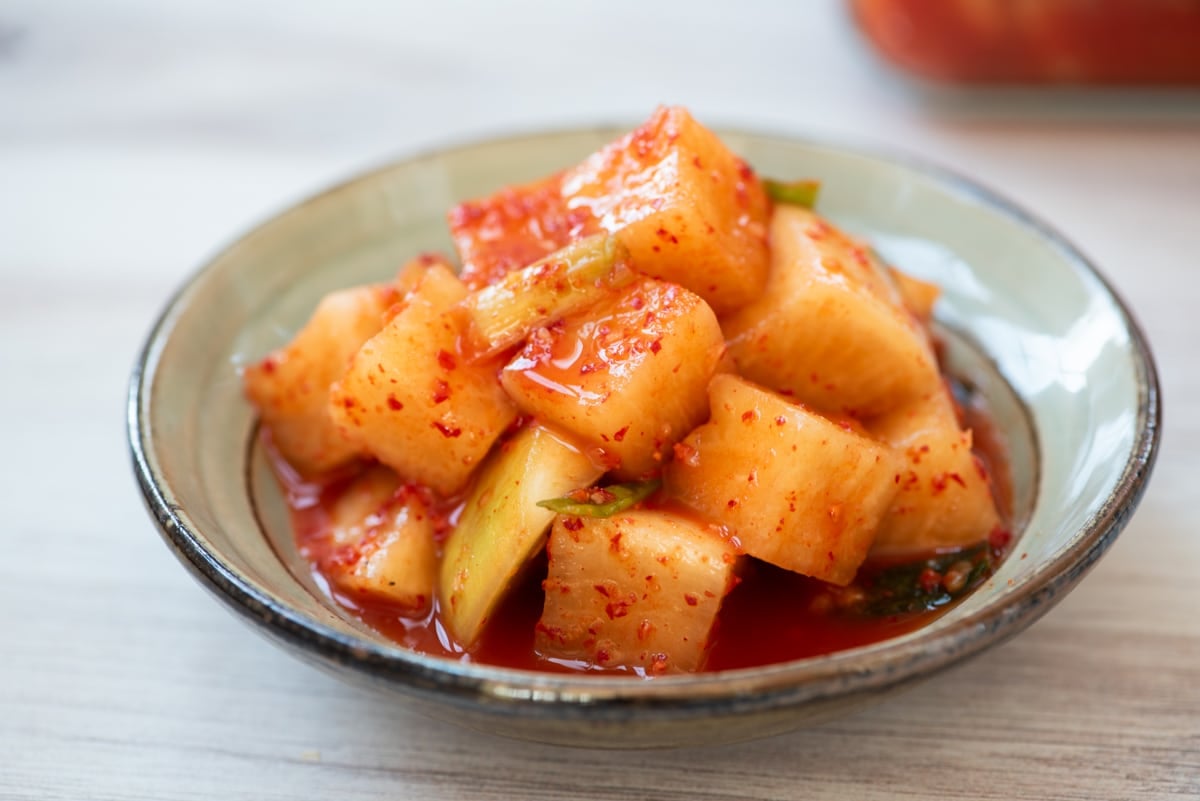
Mixing and Fermentation: The Transformation Begins
Once the radishes have been salted and drained, they are ready to be coated in the vibrant kimchi paste. The process typically begins by adding gochugaru (Korean chili flakes) to the drained radishes. This is mixed thoroughly by hand, ensuring each radish cube is evenly coated and imbued with the characteristic red hue and spicy essence of the kimchi.
Following the chili flakes, the remaining seasoning ingredients are added to the bowl. This mixture is then combined thoroughly with the radish cubes. Finally, freshly chopped scallions are tossed in, adding a fresh, aromatic counterpoint to the robust flavors.
The newly seasoned kkakdugi is then transferred to an airtight container. The fermentation process is key to developing the kimchi’s signature tangy flavor and probiotic qualities. In colder months, kkakdugi can be left at room temperature for two to three days to initiate fermentation. The exact duration depends on the ambient temperature and the desired level of tanginess. Once this initial fermentation period is complete, the kimchi is stored in the refrigerator, where it will continue to ferment slowly, its flavors deepening over time.
Enjoying Kkakdugi: A Versatile Accompaniment
Kkakdugi is an incredibly versatile side dish that complements a wide array of Korean meals. Its crunchy texture and spicy, savory profile cut through the richness of many dishes, offering a refreshing contrast. It is particularly well-paired with milder soups such as seolleongtang (beef bone soup), samgyetang (ginseng chicken soup), galbitang (beef short rib soup), and dak gomtang (Korean chicken soup). The interplay of the tender soup and the crisp kimchi creates a balanced and satisfying culinary experience.
Beyond soups, kkakdugi serves as an excellent accompaniment to rice dishes, grilled meats, and other traditional Korean banchan (side dishes). Its robust flavor profile adds a lively and invigorating element to any meal, making it a beloved and indispensable part of Korean cuisine.
The Broader Impact of Kimchi in Korean Culture
Kimchi, in its myriad forms including kkakdugi, is more than just a food; it is deeply ingrained in Korean culture and identity. The practice of making kimchi, known as kimjang, is even recognized by UNESCO as an Intangible Cultural Heritage of Humanity. This tradition highlights the communal aspect of kimchi preparation, often involving families and neighbors coming together to make large batches for the winter months.
The nutritional benefits of kimchi are also widely acknowledged. As a fermented food, it is rich in probiotics, which are beneficial for gut health. Furthermore, the ingredients used in kimchi, such as radishes, garlic, ginger, and chili peppers, are packed with vitamins, minerals, and antioxidants.
The global popularity of Korean cuisine has significantly boosted the international recognition and consumption of kimchi. Restaurants worldwide now feature kkakdugi and other kimchi varieties on their menus, introducing these complex flavors to a broader audience. The accessibility of recipes and ingredients has empowered home cooks globally to explore the art of kimchi-making, further cementing its status as a culinary ambassador for Korea.
The continued popularity and widespread appreciation for kkakdugi underscore its enduring appeal. Its straightforward preparation, combined with its complex and satisfying flavor profile, ensures its place as a cherished dish for generations to come. Whether enjoyed fresh or fermented, kkakdugi offers a delightful crunch, a tantalizing spice, and a deeply savory experience that embodies the essence of Korean culinary tradition.
