
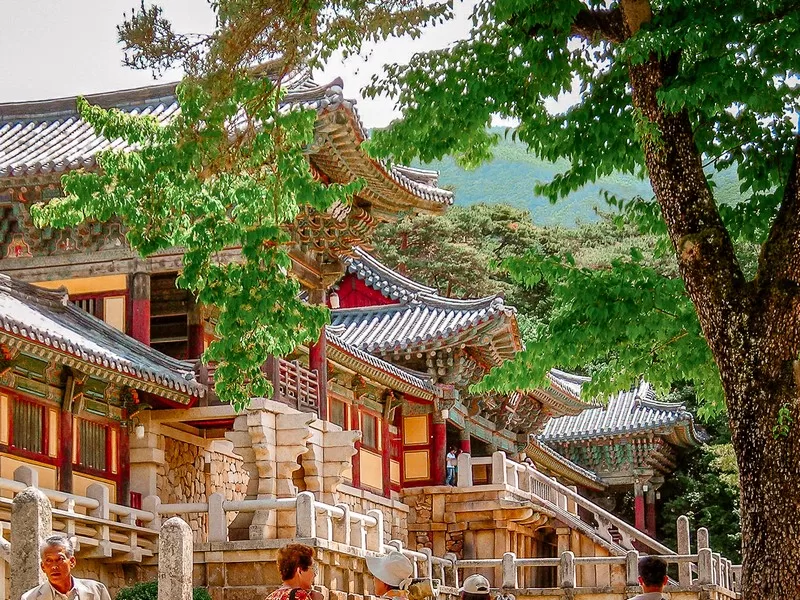
Gyeongju, often hailed as the "museum without walls," is a city that resonates with over a thousand years of Silla dynasty history. While many visitors may view it as a fleeting stop on their South Korean itinerary, an extended stay reveals its profound allure. The evocative glow of tomb mounds at sunset, the golden hues of Wolji Pond as dusk descends, and the quiet weight of history create an atmosphere that a single day cannot fully capture. For travelers seeking to immerse themselves in this ancient capital, understanding the nuances of where to stay is paramount, as each district offers a distinct perspective on the city’s heritage and contemporary charm. This comprehensive guide explores the optimal lodging options across Gyeongju, categorized by area and budget, ensuring an enriching experience for every traveler.
Gyeongju: A Historical Tapestry and Strategic Accommodation Choices
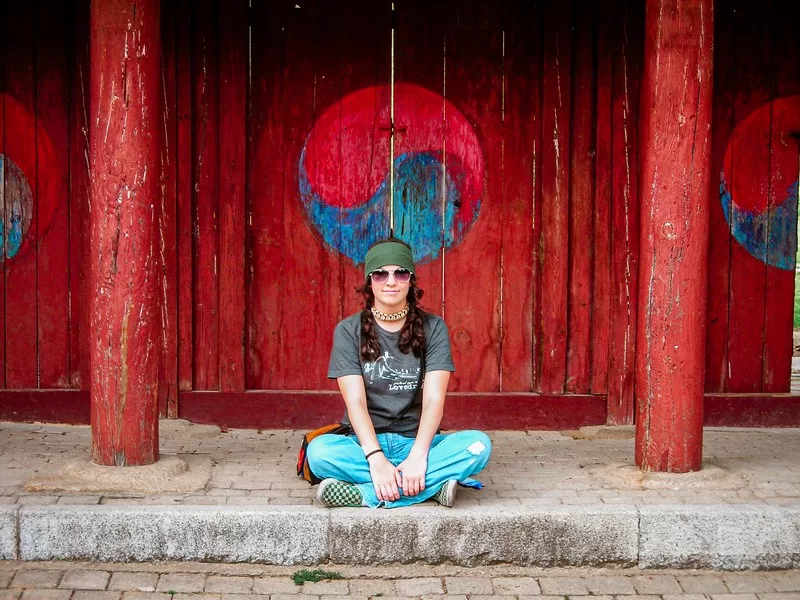
Gyeongju, the former capital of the Silla Kingdom (57 BCE – 935 CE), is a UNESCO World Heritage site teeming with historical treasures. Its landscape is dotted with royal tombs, ancient temples, and remnants of a once-thriving civilization. The city’s compact size allows for exploration of its major historical sites from a central base, yet each neighborhood possesses a unique character and practical advantages that influence a visitor’s experience. Choosing the right accommodation is not merely about finding a place to sleep; it is about strategically positioning oneself to maximize the appreciation of Gyeongju’s historical depth and natural beauty.
Understanding Gyeongju’s Key Accommodation Zones
To truly appreciate Gyeongju, one must consider how their chosen lodging impacts their immersion into the city’s distinct offerings. The city’s primary areas for visitors can be broadly categorized into the Historic Center, the Bomun Tourist Complex, and the vicinity of Bulguksa Temple. Each offers a unique ambiance and set of benefits for different traveler profiles.
The Historic Center: Heart of Silla’s Legacy
Best for: First-time visitors, history enthusiasts, photographers, and those seeking an authentic cultural immersion.
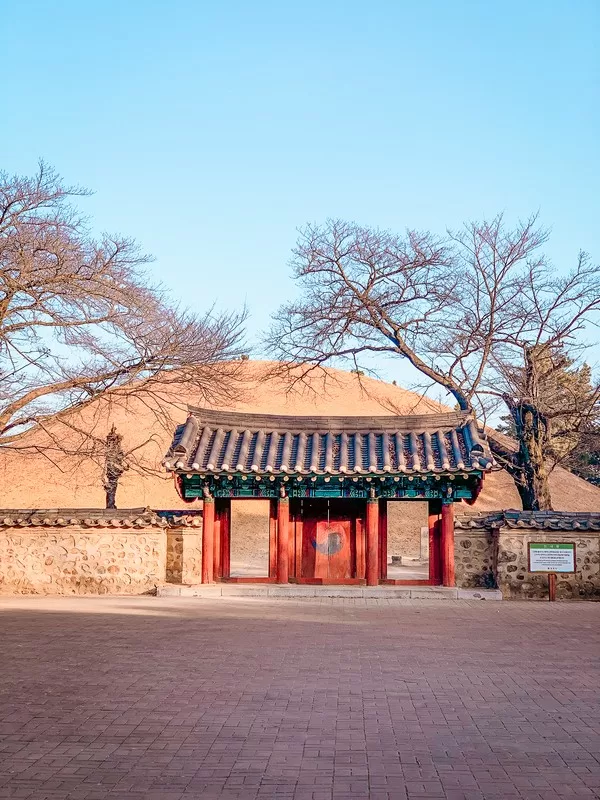
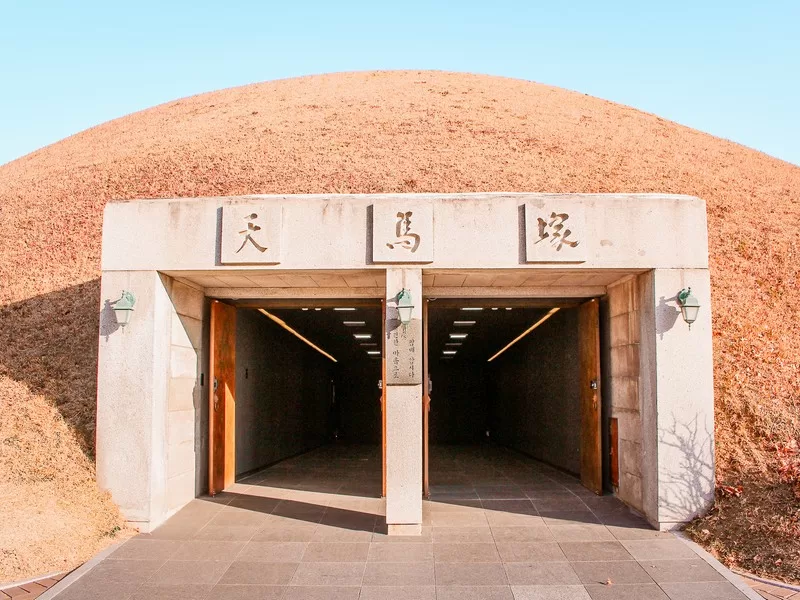
The Historic Center, encompassing areas like Gyochon Village and the vicinity of Daereungwon Tomb Complex, is arguably the most compelling base for those embarking on their first journey to Gyeongju. This area is where the city’s historical narrative is most palpable. Within easy walking distance are iconic landmarks such as the Daereungwon Tomb Complex (also known as Tumuli Park), the ancient Cheomseongdae Observatory, and the serene Wolji Pond (formerly Anapji).
The true magic of this district unfolds in the evenings. As twilight settles, the stone bridge and observatory are illuminated, casting a mystical glow over the landscape. This ethereal display is particularly enchanting for families with children, offering a convenient way to experience the illuminated sites before returning to their accommodation without extensive travel.
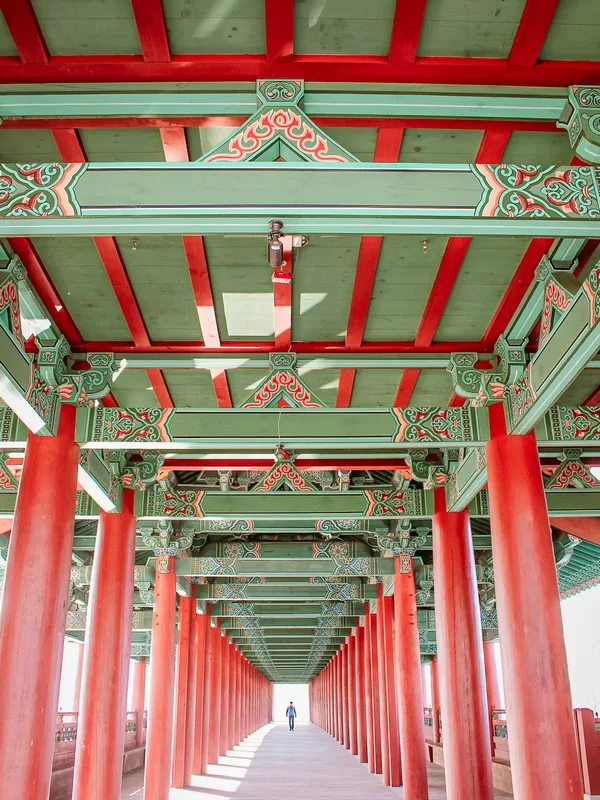
Furthermore, Gyochon Village, Gyeongju’s traditional Hanok (traditional Korean house) neighborhood, is nestled within this area. This provides an immediate immersion into traditional Korean architecture, charming local cafes, and tranquil streets that invite leisurely exploration, even outside of dedicated sightseeing.
It is important to note that Gyeongju’s Old Town, while rich in history, offers fewer large-scale hotel chains compared to major metropolitan areas in Korea. Consequently, the most sought-after accommodations, particularly the charming Hanok stays, tend to book up quickly. Early reservations are highly recommended, especially during peak tourist seasons.
The Bomun Tourist Complex: Leisure and Resort Ambiance
Best for: Luxury travelers, families seeking a balance of historical exploration and recreational activities, and those who prefer resort-style amenities.

Located approximately 4 kilometers east of the historic center, the Bomun Tourist Complex is a sprawling resort area designed around a picturesque lake. It offers a distinct atmosphere characterized by mountain vistas, expansive walking paths, golf courses, and a concentration of larger hotels and leisure facilities.
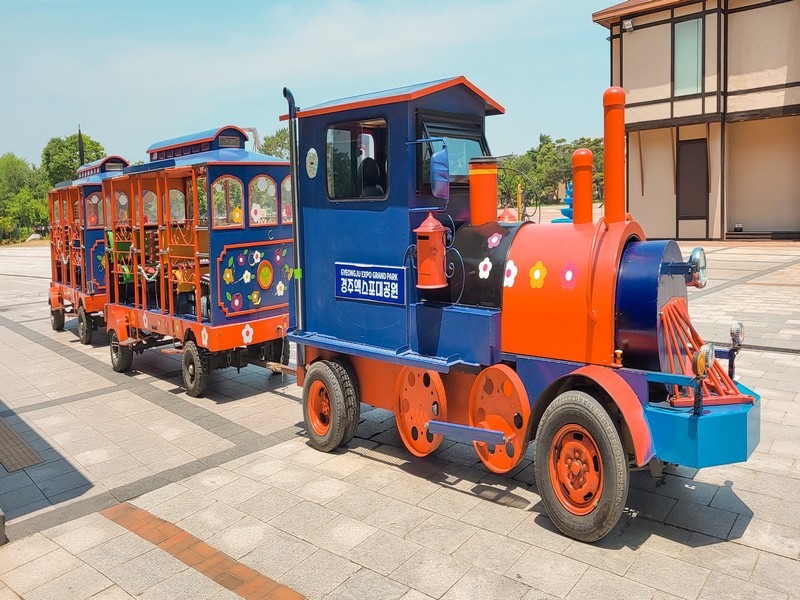
This area is an ideal choice for families, as it provides access to amenities such as swimming pools, spas, and a wide array of dining options all within close proximity. The Gyeongju World amusement park and the Gyeongju EXPO Park are also situated in this vicinity, offering entertainment for all ages.
While it offers a more resort-focused experience, Bomun is not entirely isolated. A short taxi or bus ride, typically taking around ten minutes, connects visitors to the historic center, ensuring that the city’s primary historical attractions remain accessible without significant inconvenience.
Near Bulguksa Temple: Tranquility and Spiritual Retreat
Best for: Travelers seeking a slower pace, dedicated temple enthusiasts, and those interested in mountain exploration.
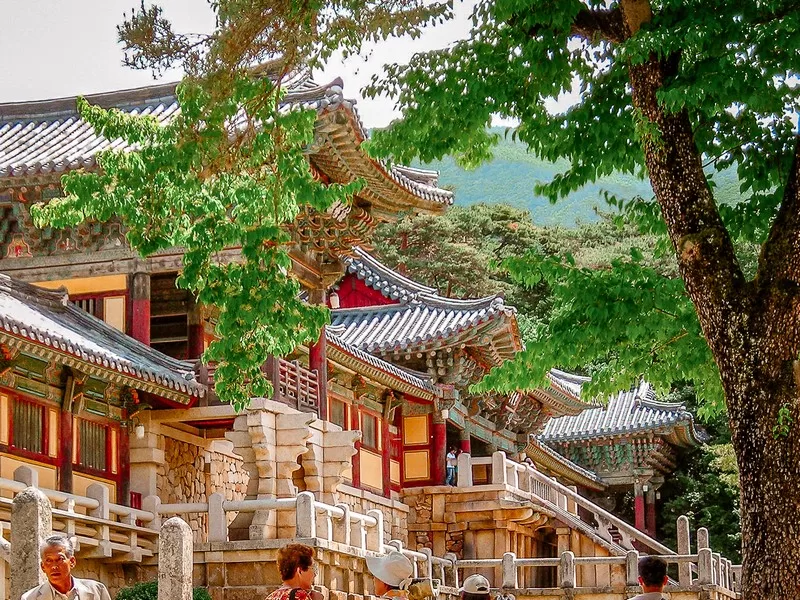
For visitors whose trip is primarily centered around the magnificent Bulguksa Temple and the nearby Seokguram Grotto, staying in this area offers a distinct advantage. It minimizes travel time to these significant cultural sites and places visitors in a quieter, more verdant setting amidst the foothills of Tohamsan Mountain.
However, this area requires a bit more logistical planning for accessing the central historic sites. A car or regular taxi services are necessary, making it a more suitable option for travelers with flexible itineraries or their own transportation. This location is particularly recommended for those who consider Bulguksa Temple the paramount reason for their visit and appreciate a more tranquil environment away from the city’s core.
A Glimpse into Gyeongju’s Accommodation Landscape: Quick Picks
For travelers seeking immediate recommendations, a curated selection of top-tier accommodations offers a starting point for planning a Gyeongju sojourn:
| Hotel Name | Budget Category | Key Features |
|---|---|---|
| Hwangnamgwan Hanok Hotel | Mid-range | Largest Hanok in Old Town, Hanbok rental, authentic atmosphere |
| Gyeongju Hotel Gonggan | Mid-range | Character and community feel, complimentary bicycle rentals |
| Hilton Gyeongju | Luxury | Comprehensive resort amenities, prime lakefront location |
| Commodore Hotel Gyeongju | Mid-range | Excellent value within the Bomun area |
Detailed Exploration of Gyeongju’s Accommodation Options
Historic Center Stays: Immersing in the Old Town Charm
Choosing to stay in the historic center of Gyeongju offers an unparalleled advantage for first-time visitors. Its proximity to the most significant historical sites, combined with the evocative atmosphere, particularly during the illuminated evening hours, makes it a highly recommended option. The convenience of being able to walk to key attractions such as Daereungwon, Cheomseongdae, and Wolji Pond, and then experience their nighttime splendor without a lengthy commute, enhances the overall travel experience.
Traditional Immersion: Hwangnamgwan Hanok Hotel
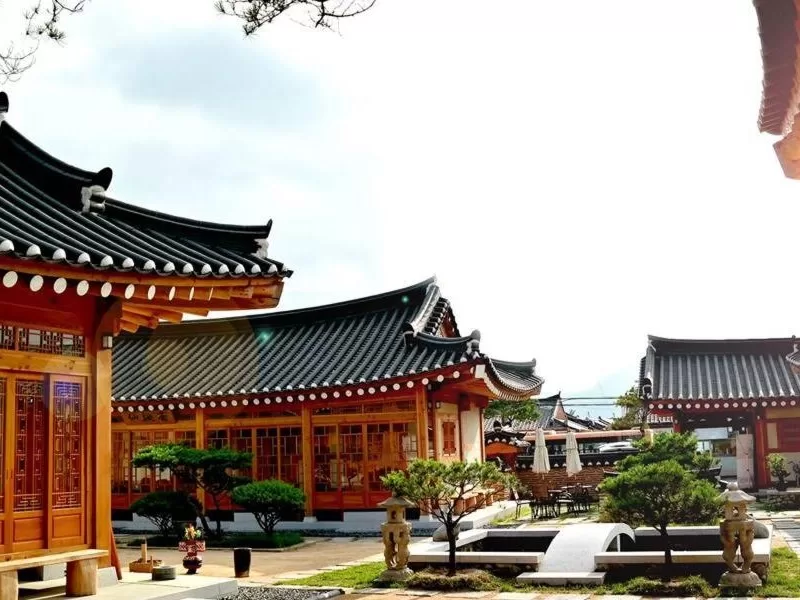
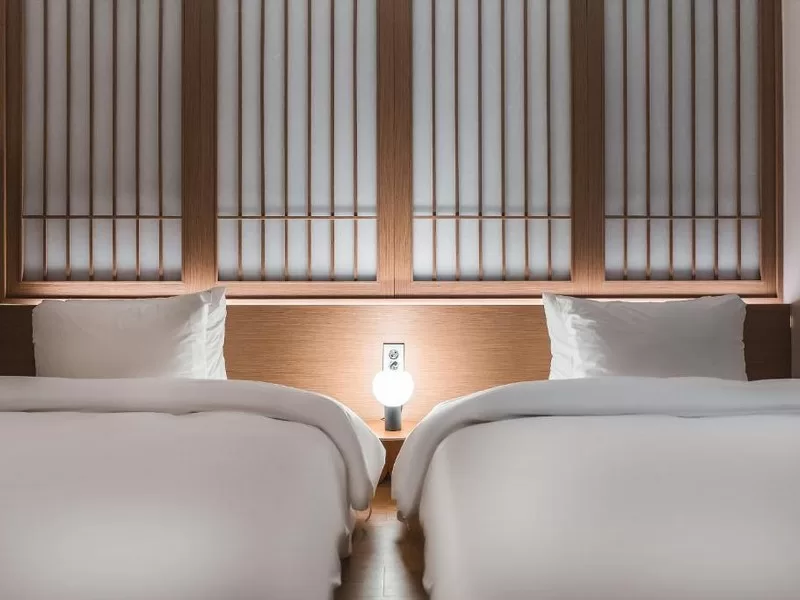
Nestled at the end of Hwangnidan-gil, Gyeongju’s most atmospheric street, the Hwangnamgwan Hanok Hotel stands as the largest Hanok property in the Old Town. This establishment offers a deeply immersive traditional experience, complete with a central koi pond, nightly courtyard illuminations, and expansive traditional architecture.
A notable feature that distinguishes Hwangnamgwan is its complimentary Hanbok rental service for both adults and children, allowing guests to step back in time and capture memorable photographs. The hotel is lauded for its warm, personal service and delicious cuisine, making it a highly desirable choice for those seeking an authentic and comfortable Hanok stay.
- Price Range: Mid-range
- Booking: Available on Agoda.com
Refined Tradition: Siwoowadang
Siwoowadang distinguishes itself through meticulous attention to detail, offering beautiful architecture, serene gardens, and an enviable location within easy walking distance of the tomb complex, Cheomseongdae Observatory, and Wolji Pond.
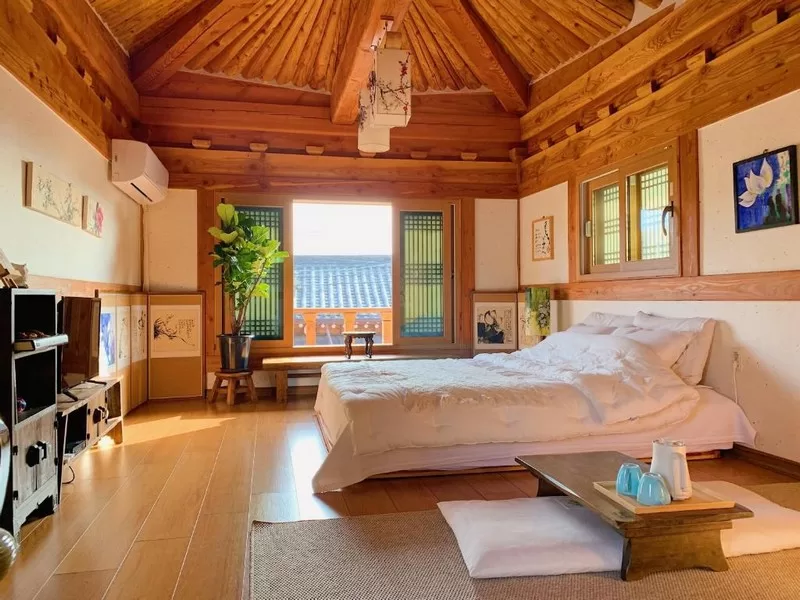
What sets Siwoowadang apart for international visitors is its thoughtful integration of Western comforts within a traditional Hanok setting. Guests can expect to sleep on comfortable Western-style mattresses, addressing a common need for first-time visitors to Korea who may not be accustomed to traditional floor sleeping arrangements.
- Price Range: Mid-range
- Booking: Available on Booking.com and Agoda.com
While these are standout options, numerous other Hanok guesthouses populate Gyeongju’s Old Town. Exploring these alternatives, especially if the aforementioned properties are fully booked, is highly recommended, as the area itself offers a unique and rewarding experience.
Community and Convenience: Gyeongju Hotel Gonggan
Gyeongju Hotel Gonggan offers a unique blend of character and communal spirit, situated approximately 2 kilometers from Cheomseongdae and 1.7 kilometers from Gyeongju Station. This location provides a convenient connection to the historic center without being directly within the bustling Hanok Village.
A significant draw of Gonggan is its vibrant first-floor lobby, which serves as a welcoming communal space for guests. Furthermore, the hotel provides complimentary bicycles for guest use, a considerable advantage in a city like Gyeongju, which is well-suited for cycling exploration. This amenity enhances the sense of freedom and allows for spontaneous discovery of the city’s many charms.
- Price Range: Mid-range
- Booking: Available on Booking.com and Agoda.com
Bomun Lake Resort Area: A Blend of Relaxation and Activity
The Bomun Tourist Complex provides a distinct resort-style experience, centered around a scenic lake and surrounded by natural beauty. This area is designed to offer a comprehensive holiday experience, with a range of amenities and attractions catering to leisure travelers.
Luxury Indulgence: Hilton Gyeongju
For those seeking a premium experience, the Hilton Gyeongju presents an exceptional choice. Situated directly on Bomun Lake, with the picturesque Tohamsan mountains as a backdrop, the hotel offers breathtaking lake views from its upper floors.
The Hilton boasts multiple dining venues, an expansive swimming pool, and impeccable service, ensuring a stay that feels like a special occasion. It is an ideal destination for travelers celebrating milestones or simply desiring a full luxury retreat, offering a sophisticated and comfortable base for exploring Gyeongju.
- Price Range: Luxury
- Booking: Available on Booking.com and Agoda.com
Value and Comfort: Commodore Hotel Gyeongju
The Commodore Hotel Gyeongju represents a sensible mid-range option within the Bomun area. It provides comfortable accommodations, a strategic location within the resort complex, and reasonable pricing for the amenities offered. Guests can enjoy access to an outdoor pool and pleasant surroundings, capturing the essence of the Bomun experience without the premium cost associated with luxury resorts.
Its clean rooms, attentive staff, and advantageous location make it a strong contender for travelers who wish to experience the Bomun Lake area’s ambiance and facilities without exceeding their budget.
- Price Range: Mid-range
- Booking: Available on Booking.com and Agoda.com
Near Bulguksa Temple: Serenity and Spiritual Exploration
The accommodations near Bulguksa Temple cater to a niche of travelers prioritizing a tranquil environment and early access to this iconic Buddhist sanctuary. This area is ideal for those seeking a more contemplative experience and easy access to the natural beauty of Tohamsan Mountain.
Immersive Monastic Life: Temple Stay Programs
For the ultimate immersive cultural experience, Gyeongju offers Temple Stay programs at both Bulguksa Temple and Golgulsa Temple. These programs provide participants with a unique opportunity to engage with the daily rhythms of monastic life, including early morning meditation sessions, communal meals, and cultural activities. This experience offers profound insight into Korean Buddhism and is a highly recommended activity for those seeking a deeper connection with the spiritual heritage of the region.
- Booking: Information and registration available on the official Templestay website.
Nature-Focused Comfort: Kolon Hotel Gyeongju
The Kolon Hotel Gyeongju offers a serene retreat near Bulguksa Temple, featuring an outdoor pool, an adjacent golf course, and tranquil, forested surroundings. This hotel provides a comfortable and well-managed environment, conducive to early morning visits to Bulguksa and enjoying the peaceful ambiance of the natural landscape. It is a suitable choice for those who desire modern amenities within a setting that complements the spiritual and natural allure of the area.
- Price Range: Mid-range
- Booking: Available on Booking.com and Agoda.com
Strategic Planning: Duration and Practical Tips for Gyeongju
The duration of a stay in Gyeongju significantly impacts the depth of one’s experience. Gyeongju rewards extended visits, allowing for a more profound appreciation of its historical and cultural layers.
- 1 Night: Sufficient for a whirlwind tour of the most iconic sites, including Daereungwon, Cheomseongdae, and Wolji Pond. This brief visit may ignite a desire for a return trip.
- 2 Nights (Ideal): This timeframe allows for thorough exploration of the Historic Center, coupled with a half-day excursion to Bulguksa and Seokguram Grotto. This is considered the optimal duration for most itineraries.
- 3 Nights: This extended stay permits the inclusion of attractions such as Bomun Lake, a leisurely bike ride through the countryside, a visit to Yangdong Folk Village, or hiking on Tohamsan Mountain.
Practical Tips for Booking Accommodation in Gyeongju:
- Advance Booking is Crucial: During peak seasons, such as cherry blossom season (late March to mid-April) and autumn foliage (mid to late October), accommodations, especially popular Hanok stays, are booked weeks in advance.
- Verify Bedding in Hanoks: Traditional Hanok stays often feature floor sleeping arrangements (yo) on ondol heated floors. While many now offer Western beds, it is advisable to confirm this detail if it is a preference.
- Consider Proximity to Itinerary: If Bulguksa is a primary focus, staying in the historic center necessitates approximately a 30-minute taxi ride. This logistical consideration is important when planning a multi-day itinerary.
- Affordable and Reliable Taxis: Taxis are readily available and reasonably priced, making travel between different areas of Gyeongju convenient. Distance between accommodation and attractions should not be a primary deterrent.
- Language Accessibility: Major hotels typically have English-speaking staff. Smaller guesthouses and Hanoks may have limited English proficiency. Translation apps, such as Papago, are highly effective for communication.
Frequently Asked Questions About Staying in Gyeongju
-
Is Gyeongju Better as a Day Trip or an Overnight Stay?
An overnight stay is unequivocally recommended. The evening ambiance, with Wolji Pond and historical sites illuminated and crowds diminished, is a defining Gyeongju experience that is entirely missed on a day trip.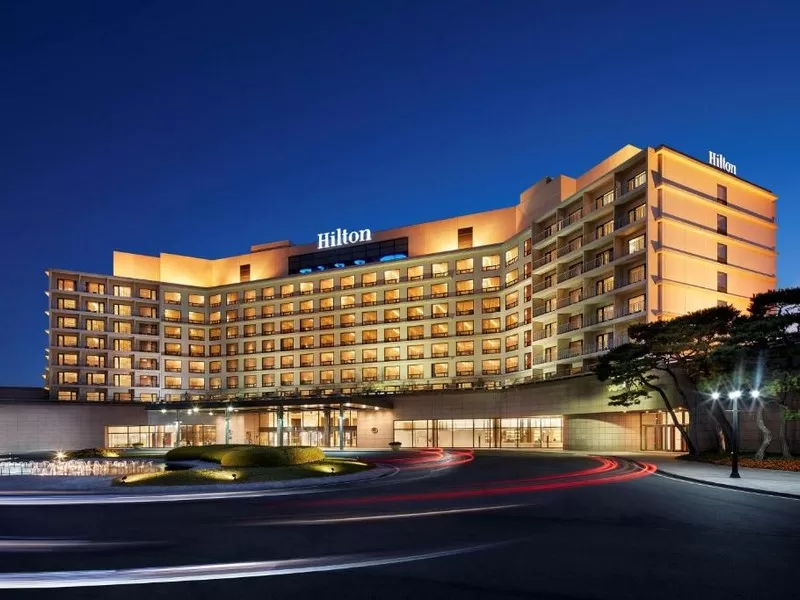
-
Where is the Best Area for First-Time Visitors?
The historic center, in close proximity to Daereungwon and Cheomseongdae, is ideal. It offers walkability to most key sites and a uniquely atmospheric experience, particularly in the evenings. -
Are Hanok Stays Comfortable for International Visitors?
Hanok stays can be very comfortable. Traditional experiences involve floor sleeping, which is suitable for those able to manage getting up and down from the floor. For those who prefer Western beds, many Hanoks now offer them. -
Where Should Families Stay in Gyeongju?
For families prioritizing historical sites, the Old Town offers walkability and convenient returns for naps. For a more resort-focused experience with amusement park options, the Bomun Lake area is recommended.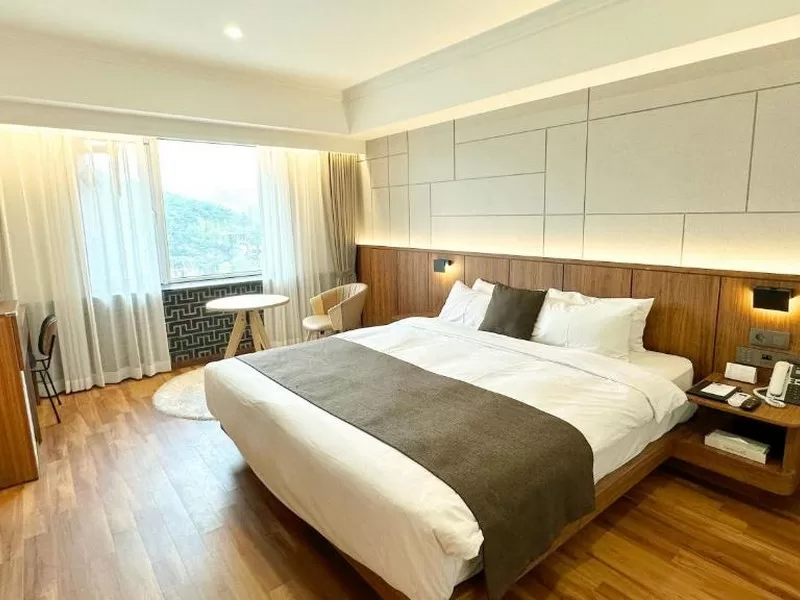
-
How Far is Bulguksa from the City Center?
Bulguksa Temple is located approximately 8 kilometers southeast of the historic center, a journey of about 30 minutes by local bus or 15 minutes by taxi. -
Is Gyeongju Easy to Navigate Without Speaking Korean?
Yes, Gyeongju is relatively easy to navigate. Major tourist areas have English signage, hotels have English-speaking staff, and taxis are user-friendly with map applications. A translation app is helpful for smaller establishments. -
What is the Best Season to Visit Gyeongju?
Spring (late March to mid-April) for cherry blossoms and autumn (October) for foliage and pleasant temperatures are the most picturesque seasons. Both require early accommodation bookings.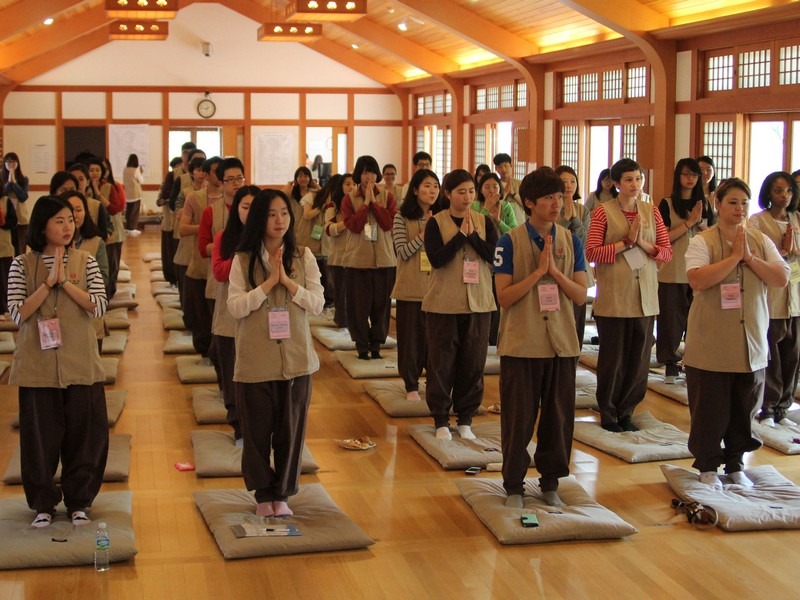
Gyeongju’s intrinsic historical significance ensures it is an unforgettable destination. However, the choice of accommodation profoundly shapes the visitor’s experience. By selecting lodging that aligns with their itinerary and preferences, travelers can transition from merely observing to truly experiencing the soul of this ancient Korean capital.