
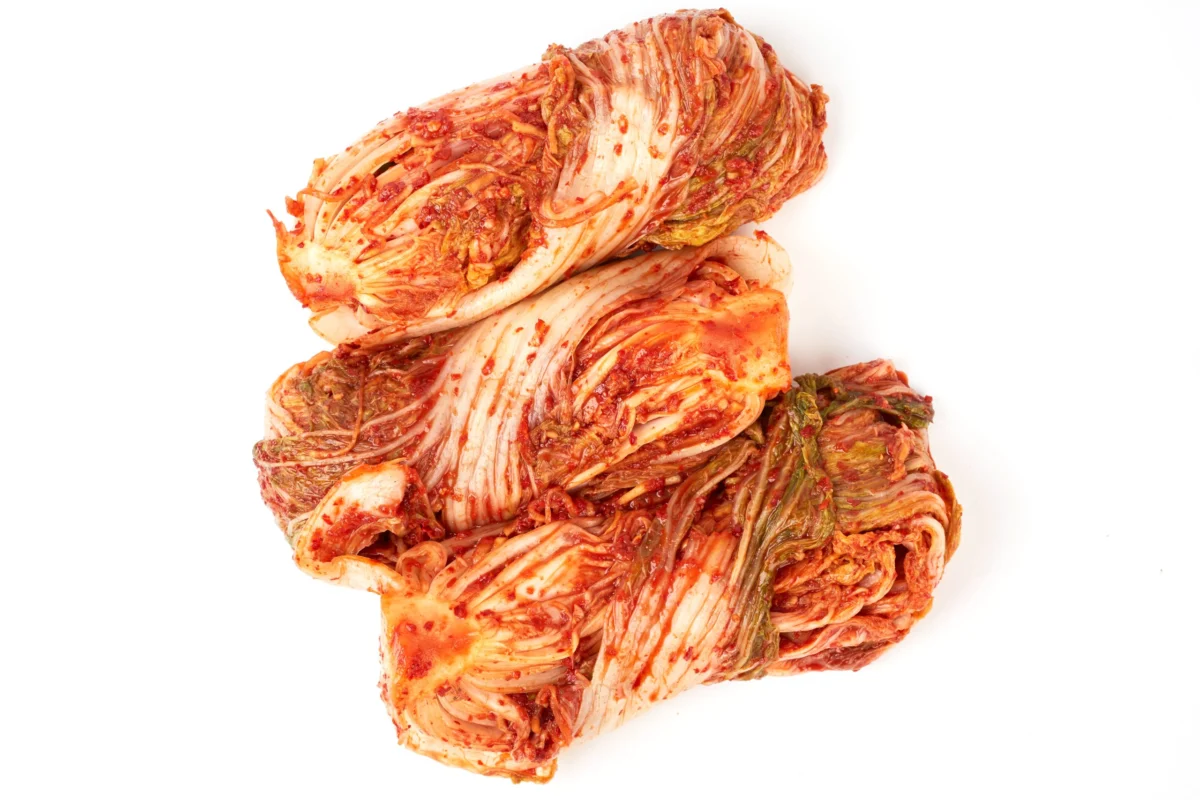
Kimchi is an indispensable cornerstone of Korean cuisine, gracing nearly every table as a fundamental side dish. The term "kimchi" broadly refers to the vast array of fermented and pickled vegetables prevalent in Korea. While the general term encompasses numerous variations, it most commonly evokes the image of spicy napa cabbage kimchi, a testament to the vegetable’s widespread use. For other iterations, the specific vegetable is typically appended to the word "kimchi," such as "O-ee Kimchi" for cucumber or "Yeolmu Kimchi" for summer radish. Beyond its role as a condiment, kimchi is a dynamic ingredient, integral to the preparation of countless other Korean dishes, showcasing its culinary adaptability.

The initial encounter with kimchi for newcomers might be characterized by its potent aroma and distinctive, complex flavor profile, which can initially be challenging. However, this initial resistance often blossoms into a deep appreciation and, for many, an enduring addiction. This affinity is not without merit, as kimchi is celebrated not only for its unique taste but also for its remarkable health benefits. It is a nutritional powerhouse, abundant in dietary fiber, vitamins A and C, thiamine (B1), riboflavin (B2), calcium, and iron. Crucially, it is a rich source of beneficial lactic acid bacteria, the very organisms responsible for its fermentation and a significant contributor to its health-promoting properties. Scientific research increasingly highlights kimchi’s positive impact on digestive health, its potential role in lowering cholesterol levels, its antioxidant properties that may combat aging, its cancer-fighting capabilities, and its capacity to bolster the immune system. While readily available in Korean markets, the true essence of kimchi can be captured by embarking on the journey of making it at home, allowing for precise control over taste and spice levels.

The foundation of exceptional kimchi lies in the quality of its core ingredients: sea salt and gochugaru (Korean red pepper flakes). Many Korean households and artisanal producers prioritize 100% Korean-sourced sea salt and gochugaru, even at a higher cost compared to imported alternatives, to achieve the most authentic and superior flavor. This dedication to provenance underscores the cultural importance placed on the ingredients that define this iconic dish.

A Culinary Journey: From Preparation to Fermentation
The process of creating traditional napa cabbage kimchi, while seemingly straightforward, involves distinct stages that contribute to its complex flavor and texture.

Estimated Timeline for Kimchi Preparation:

- Brining Time: Approximately 1 day
- Preparation & Brining Napa Cabbage: 1 day
- Making the Filling: 1 hour
- Applying Seasoning: 1 hour 30 minutes
- Fermentation: Varies significantly based on temperature and preference, typically ranging from a few days at room temperature to weeks or months in refrigeration.
- Total Estimated Time (excluding fermentation): 2 days, 2 hours, 30 minutes
Essential Equipment for Kimchi Making:
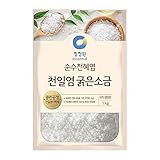
Creating kimchi necessitates specific tools to ensure hygiene and efficient processing. Gloves are paramount to protect hands from the sting of salt and chili. Kimchi containers, often designed with airtight seals to facilitate fermentation and storage, are also highly recommended.

Key Ingredients and Their Significance:

The recipe for kimchi typically involves two main phases: brining the napa cabbage and preparing the flavorful filling.

- For Brining: The primary ingredient is coarse sea salt, crucial for drawing out moisture from the cabbage and creating the initial stages of preservation.
- For Seasoning: This complex mixture is the heart of kimchi’s flavor. It commonly includes gochugaru for its characteristic spice and color, garlic and ginger for aromatic depth, onions for sweetness, salted shrimp or anchovy fish sauce for umami, and often a touch of sugar or sweet rice flour to balance the flavors. Fresh vegetables like radishes, scallions, and sometimes other herbs such as minari add texture and additional layers of flavor.
The Art of Preparation and Brining:

The initial step involves meticulously preparing the napa cabbage. This typically entails trimming the base and outer leaves. The cabbage is then halved or quartered, depending on its size and personal preference, and generously coated with coarse sea salt. The brining process, which can last up to 24 hours, is critical. During this time, the salt draws out water from the cabbage leaves, causing them to wilt and become pliable. This not only seasons the cabbage but also prepares it to absorb the subsequent seasonings effectively. The correct level of salting is a delicate balance; too much can render the cabbage unpleasantly salty and diminish its natural sweetness, while too little can compromise its preservation and lead to spoilage.

Crafting the Vibrant Filling:

While the cabbage brines, the vibrant filling, known as "yangnyeom," is prepared. This is where the characteristic red hue and complex spicy-savory profile of kimchi are born. Finely minced garlic, grated ginger, and chopped onions form the aromatic base. Gochugaru, the Korean chili powder, is the star ingredient, providing both heat and a rich, earthy flavor. The choice between different grinds and origins of gochugaru can subtly alter the final taste.

A crucial element for achieving authentic flavor is the inclusion of fermented seafood. Salted shrimp ("saeu-jeot") and anchovy fish sauce ("myeolchi-aekjeot") are commonly used, often in combination. These ingredients provide a profound umami depth that is difficult to replicate with other sources. The balance between these two fermented elements can vary regionally and according to personal preference. Some recipes might also incorporate other fermented seafood or even small, fresh seafood like oysters for a more adventurous flavor profile.

The filling is further enhanced with the addition of shredded Korean radish, which adds a satisfying crunch and a subtle sweetness. Fresh scallions and sometimes other greens like minari are also incorporated, providing freshness and visual appeal.

The Seasoning and Fermentation Process:

Once the cabbage has been adequately brined and rinsed thoroughly to remove excess salt, it is ready to be coated with the prepared yangnyeom. This is a labor-intensive process, requiring careful attention to ensure each leaf is evenly coated. Wearing gloves is essential during this stage. The seasoned cabbage is then tightly packed into fermentation vessels.

Fermentation is where the magic truly happens. Kimchi begins to ferment at room temperature for a few days, allowing the lactic acid bacteria to proliferate and transform the sugars in the vegetables into lactic acid. This process not only preserves the kimchi but also develops its characteristic tangy, complex flavor and effervescence. The duration of this initial room-temperature fermentation is crucial and depends heavily on ambient temperature. Warmer conditions accelerate fermentation, while cooler temperatures slow it down.

After the initial fermentation, kimchi is typically transferred to a cooler environment, such as a refrigerator or a specialized kimchi refrigerator. This slows down the fermentation process, allowing the flavors to mature and deepen over time. The ideal fermentation period for optimal taste is a matter of personal preference. Some enjoy "fresh" kimchi with a milder tang, while others prefer a more intensely fermented, sour kimchi, which is ideal for cooking applications.

The Nutritional and Cultural Tapestry of Kimchi
Kimchi’s reputation as a health food is well-earned. Its rich profile of vitamins, minerals, and dietary fiber makes it a valuable addition to any diet. The probiotics generated during fermentation are particularly noteworthy, contributing to a healthy gut microbiome, which is increasingly linked to overall well-being, including immune function and mental health. Studies have explored its potential in managing conditions like obesity, diabetes, and even certain types of cancer, though more extensive human trials are often needed to confirm these findings definitively.

Culturally, kimchi is far more than just food; it is a symbol of Korean identity and heritage. The communal act of "kimjang," the traditional preparation of large quantities of kimchi for the winter months, is recognized by UNESCO as an Intangible Cultural Heritage of Humanity. This practice reinforces family bonds and community spirit, highlighting kimchi’s deep-rooted social significance.

Navigating the Nuances: Tips for Kimchi Enthusiasts
For those embarking on their kimchi-making journey, several insights can enhance the experience:

- Salt Selection: The use of coarse sea salt is paramount. Its crystalline structure and mineral content contribute to the desired texture and flavor, and it is less likely to dissolve too quickly, allowing for controlled brining. Iodized table salt is generally not recommended as it can interfere with the fermentation process and negatively affect the texture and color.
- Fermentation Control: Understanding that temperature is the primary driver of fermentation speed is key. Patience is a virtue when it comes to kimchi; tasting at various stages allows one to achieve their preferred level of sourness.
- Storage and Longevity: Proper storage in airtight containers, ideally specialized kimchi containers that minimize air exposure, is essential for preserving quality and preventing spoilage. While kimchi can last for many months in the refrigerator, its flavor profile will continue to evolve, becoming more sour over time. This aged kimchi is often prized for its use in hearty stews, fried rice, and pancakes.
- Addressing Mold Concerns: While white mold on the surface can sometimes be an indicator of insufficient salt or seasoning, it is often considered harmless and can be skimmed off. However, colored molds (green or black) are a clear sign of spoilage and should prompt the discarding of the affected batch. Ensuring kimchi is submerged in its brine and that containers are properly sealed are crucial preventative measures.
The enduring appeal of kimchi lies in its multifaceted nature. It is a culinary art form, a testament to Korean ingenuity, a potent source of nutrition, and a vibrant cultural icon. Whether enjoyed as a simple side dish, a complex ingredient, or the product of a cherished family tradition, kimchi continues to captivate palates and nourish bodies worldwide.