
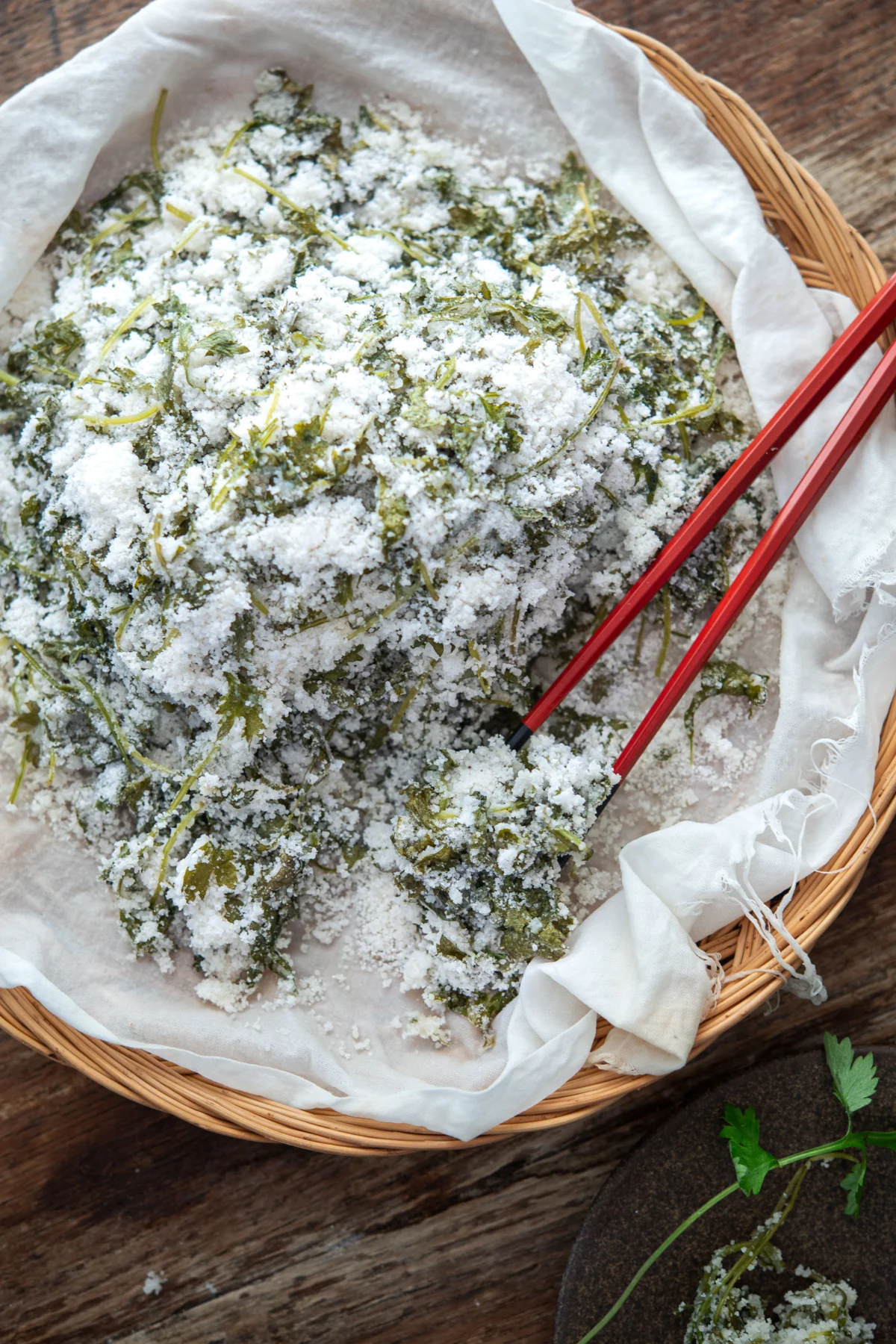
Ssuk beomuri, a traditional Korean mugwort rice cake, is emerging as a celebrated springtime delicacy, offering a naturally vegan and gluten-free experience that highlights the nuanced flavors of fresh ssuk (mugwort). This delicate dessert, prepared in the style of baekseolgi (a steamed white rice cake), is characterized by its soft, crumbly texture and the distinct earthy aroma of mugwort, making it a quintessential taste of the season. The preparation is notably simple, relying on basic ingredients and a traditional steaming method that fills the kitchen with its signature fragrance.
The Essence of Spring: Ssuk Beomuri’s Connection to the Season
For many Koreans, the arrival of spring is intrinsically linked to the availability of fresh ssuk. The author’s childhood memories paint a vivid picture of this connection: "Early spring in Korea always meant ssuk season when I was growing up. My friends and I would climb the small mountain behind our house to pick the first tender mugwort shoots of the year, stuffing them into little baskets with more enthusiasm than skill." This nostalgic anecdote underscores the cultural significance of foraging for ssuk, a practice that culminates in the creation of beloved seasonal treats like ssuk beomuri. The simple act of collecting the herbs transforms into a culinary celebration, with mothers patiently sorting the greens to prepare the cakes.
The resulting ssuk beomuri, also referred to as beomul, is a testament to the beauty of simplicity. Made with rice flour, fresh ssuk, a touch of sugar, and water, its preparation is uncomplicated. The traditional steaming method, often employed for various Korean rice cakes, requires little more than a steamer lined with a cloth. This approach is reminiscent of other cherished Korean rice cakes, such as songpyeon, which are also steamed and enjoyed for their unique textures and flavors.
Distinguishing Textures: Ssuk Beomuri vs. Other Tteok
It is crucial to differentiate ssuk beomuri from other types of mugwort tteok. While both incorporate the fragrant herb, their textural profiles are vastly different. Mugwort tteok, often made with pounded glutinous rice flour, possesses a characteristically chewy and elastic bite. Ssuk beomuri, conversely, belongs to the baekseolgi family, which are steamed rice cakes made from non-glutinous rice flour. This fundamental difference in the rice flour used and the preparation method results in ssuk beomuri’s signature soft, fluffy, and crumbly texture, rather than chewiness. This distinct texture is also seen in other rice cakes like injeolmi, which, while also a rice cake, relies on a pounded dough and a coating of soybean powder for its unique appeal.
The Art of Selecting and Substituting Ssuk
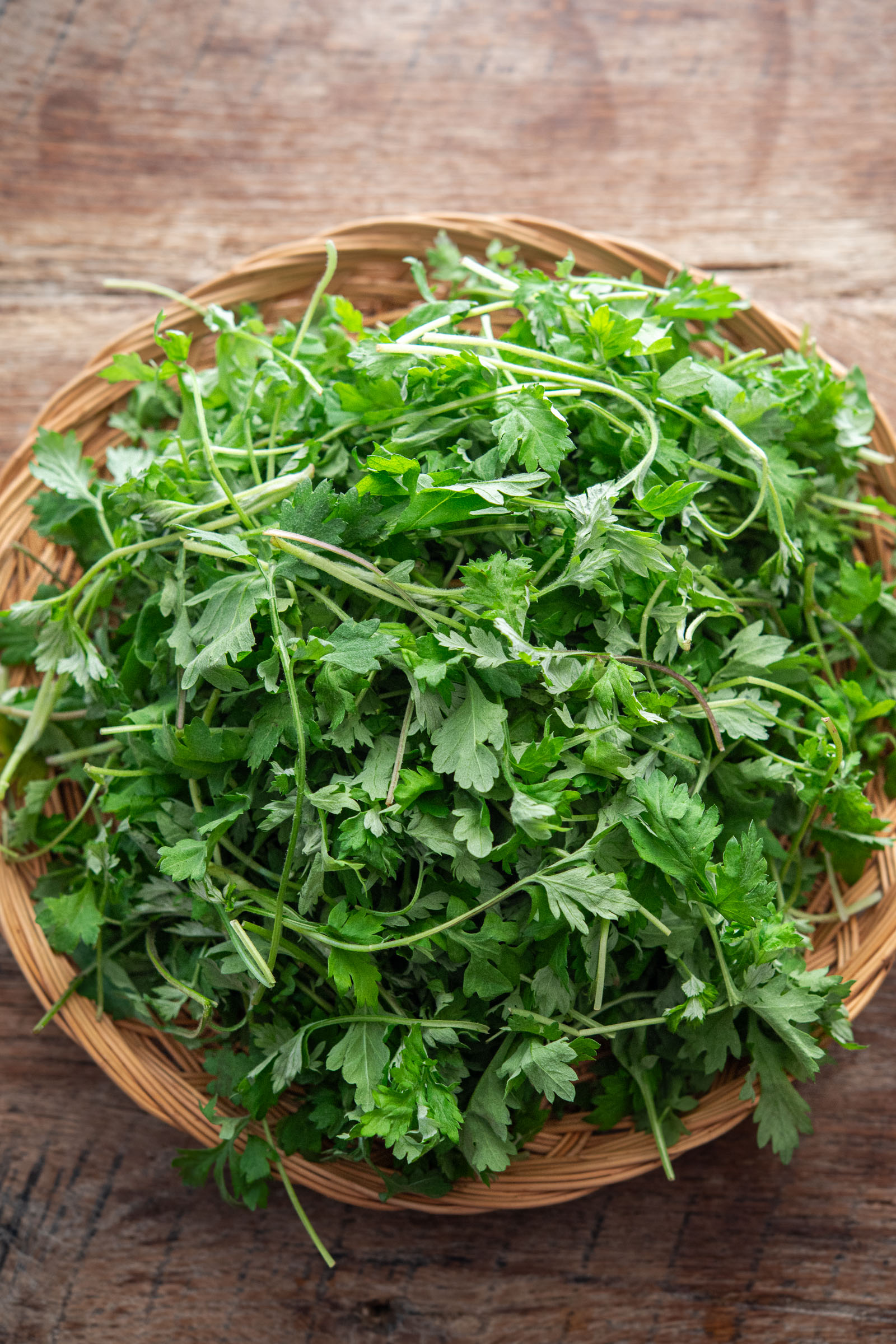
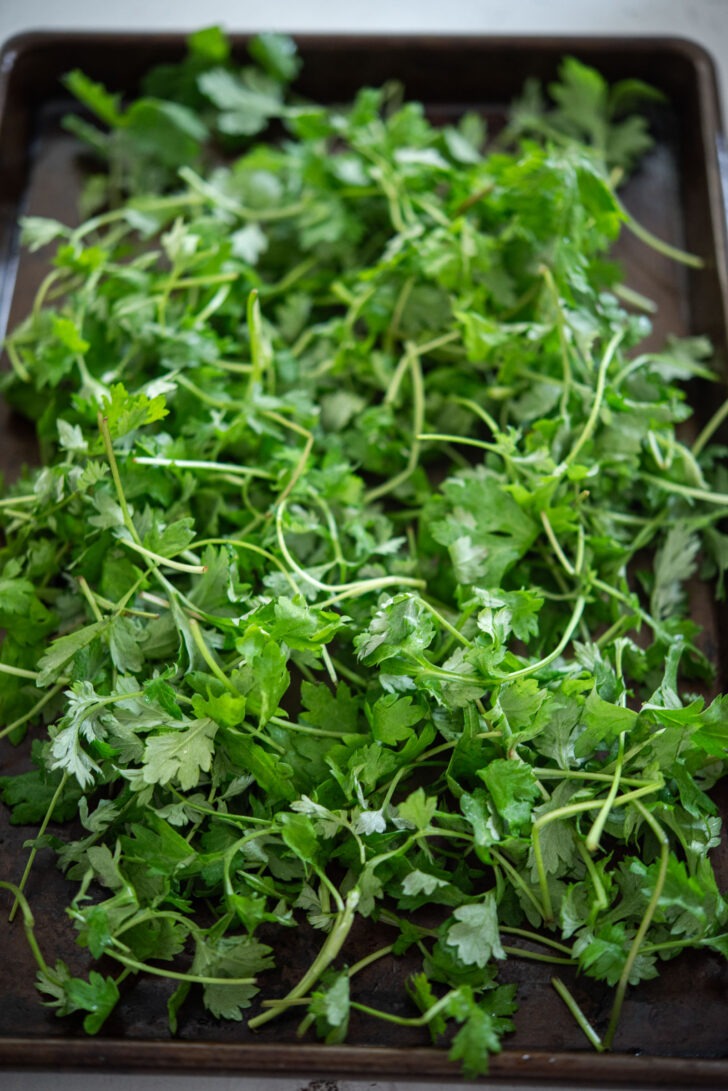
The aromatic heart of ssuk beomuri lies in the quality of the fresh ssuk. Experts advise choosing young, tender mugwort, which features soft stems and delicate leaves that blend seamlessly into the rice flour mixture. A simple test involves rubbing a leaf between the fingers; a distinct earthy, slightly grassy fragrance with a hint of bitterness indicates fresh, high-quality ssuk. If the stems are tough or woody, they should be trimmed, utilizing only the tender upper portions. Smaller leaves can be incorporated whole, while longer sprigs may require chopping to ensure even distribution throughout the batter.
For those outside of Korea or in regions where fresh ssuk is not readily available, several alternatives can replicate the essence of this spring delicacy. Japanese yomogi, botanically the same plant as Korean ssuk, serves as an excellent substitute and can be used interchangeably in the recipe. For a year-round option, mugwort powder or dried mugwort offers a convenient way to achieve the signature herbal flavor. While it won’t precisely replicate the fresh herb’s aroma, it provides a familiar taste. As a visual substitute, a small amount of matcha powder can be added to the rice flour to impart a vibrant green hue and a subtle bitterness, though it lacks the distinctive mugwort fragrance. For those prioritizing the simple steamed rice cake experience without the herbal notes, the recipe can be prepared without any added herbs, resulting in a plain baekseolgi.
Mastering the Steaming Technique for Optimal Texture
Achieving the perfect soft and crumbly texture of ssuk beomuri relies on a few key traditional techniques:
-
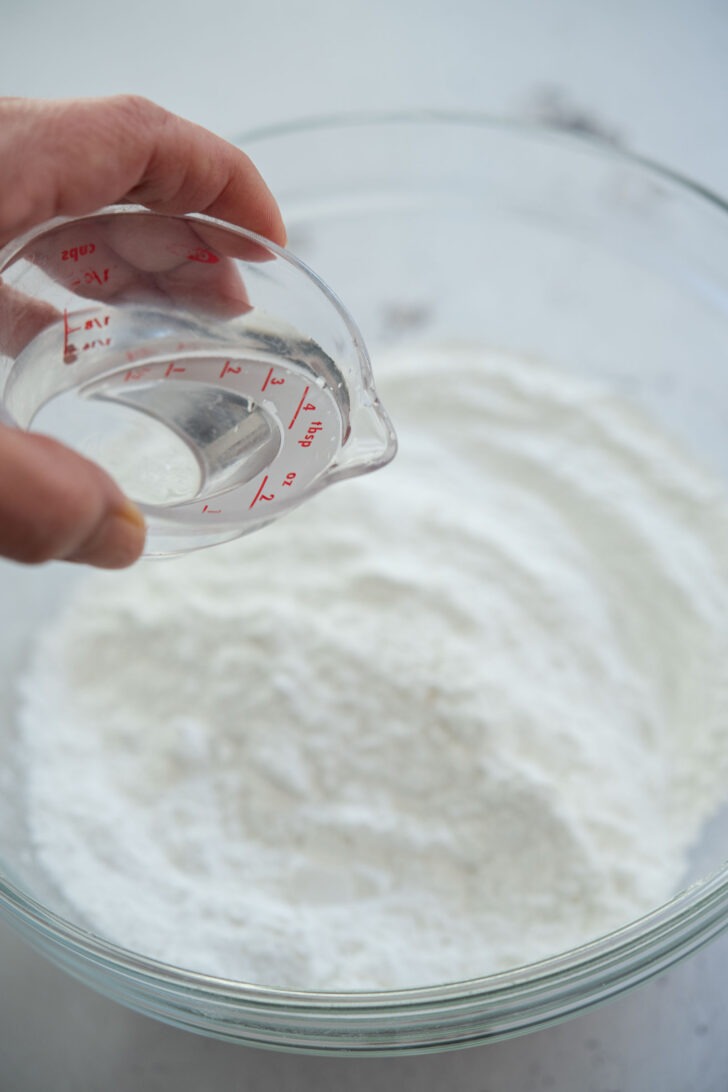
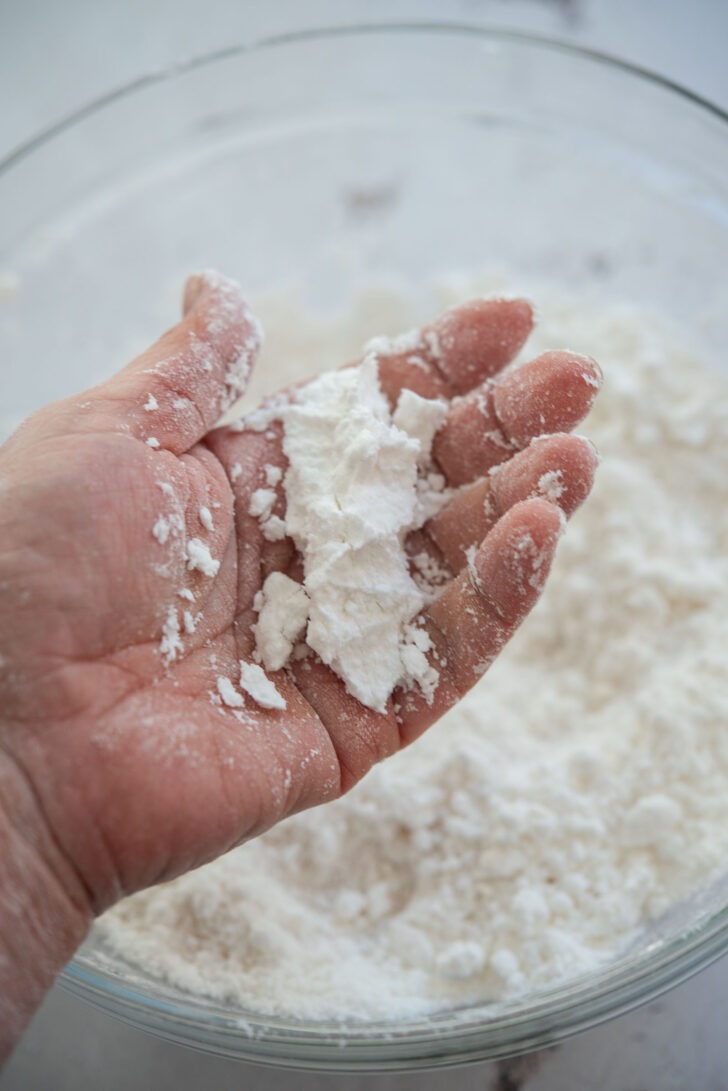
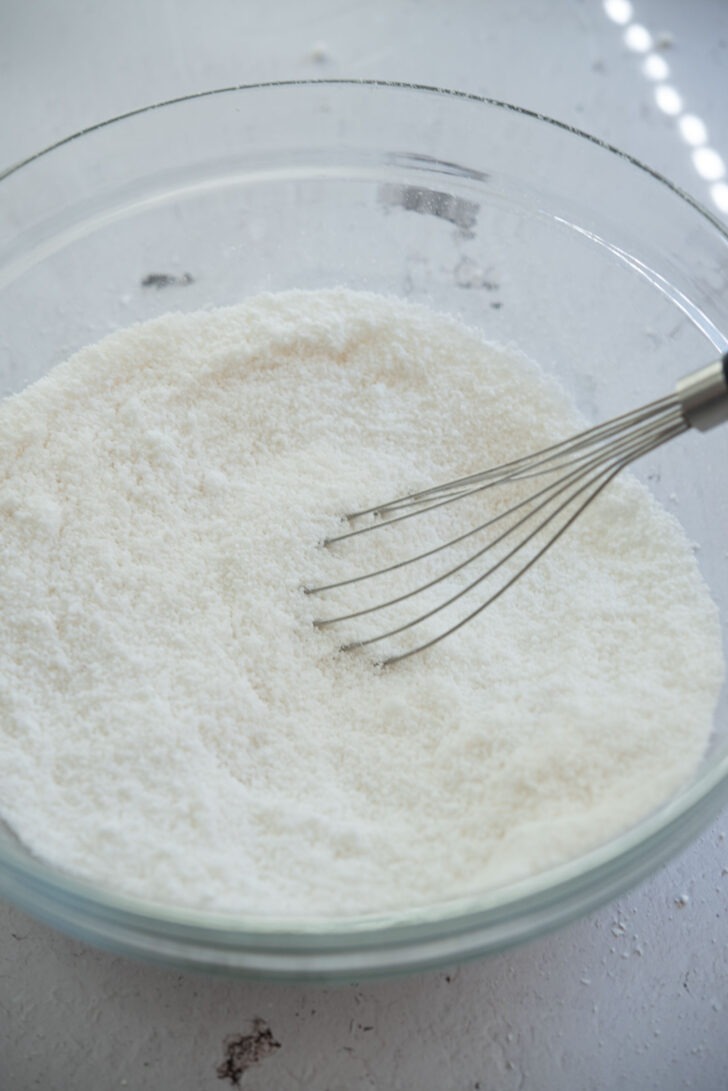
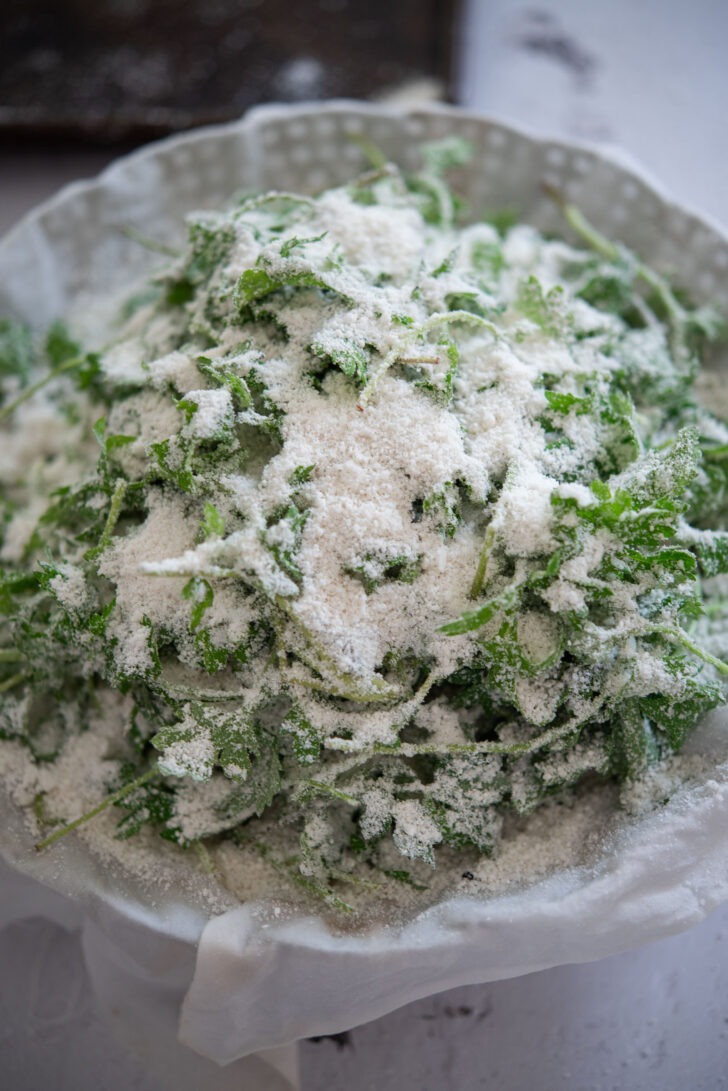
Moistening the Rice Flour: The rice flour should be moistened to a "sandy" texture. This is achieved by gradually adding small amounts of water and rubbing it into the flour until it forms loose clumps. When squeezed, the mixture should hold its shape momentarily before crumbling easily. This precise moisture level is critical for developing the cake’s airy crumb structure during steaming.
-
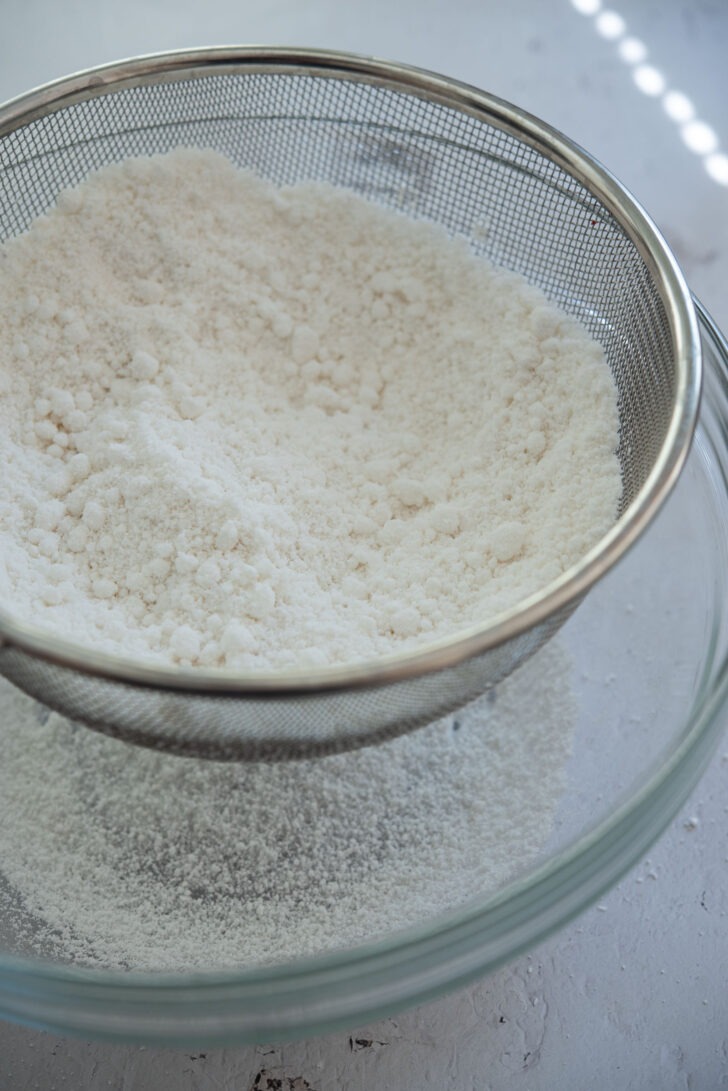
Sifting for Lightness: After moistening, sifting the rice flour mixture is a vital step. This process breaks down any remaining clumps, creating a finer texture that allows steam to circulate more effectively during cooking. The result is a lighter, more delicate cake.
-
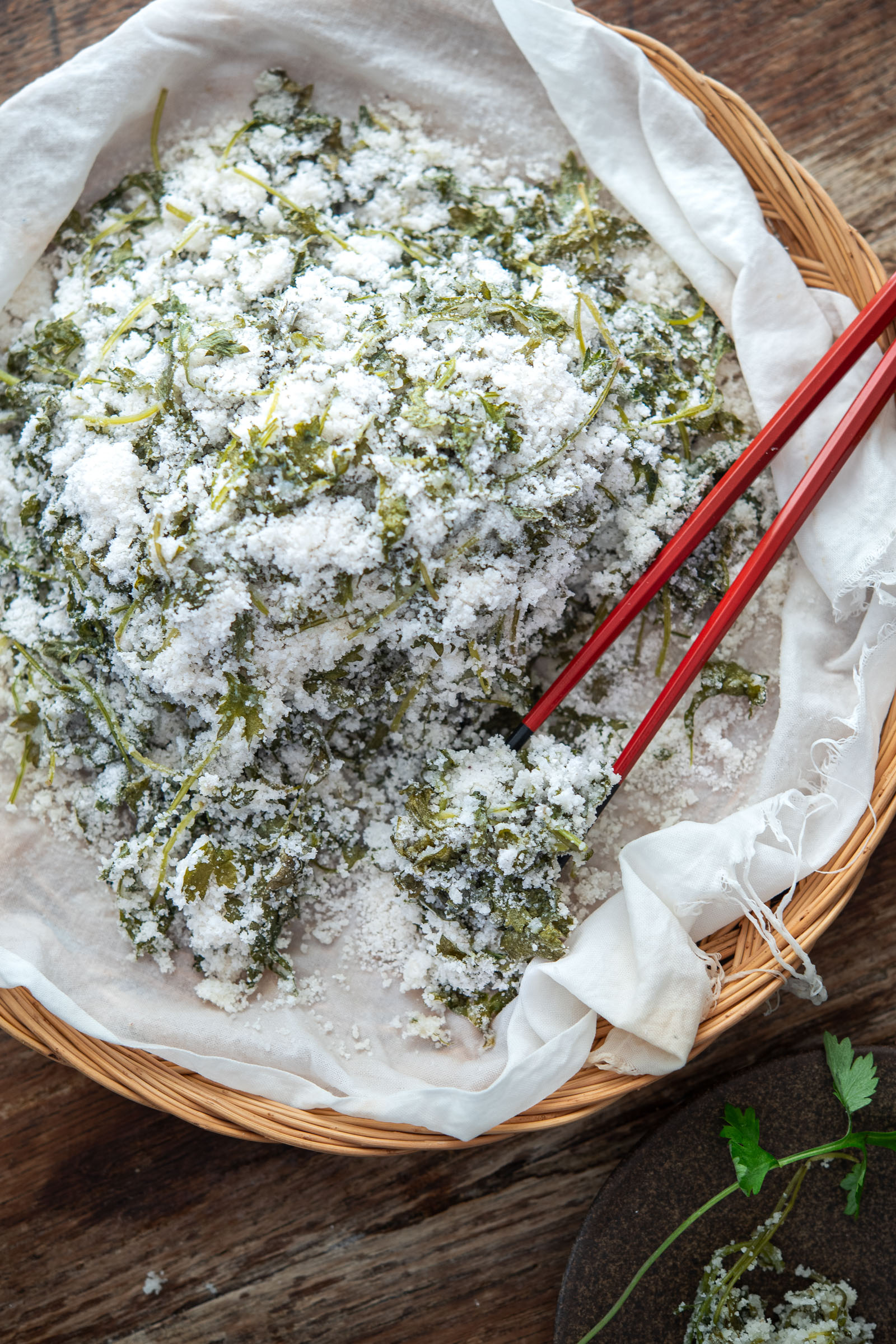
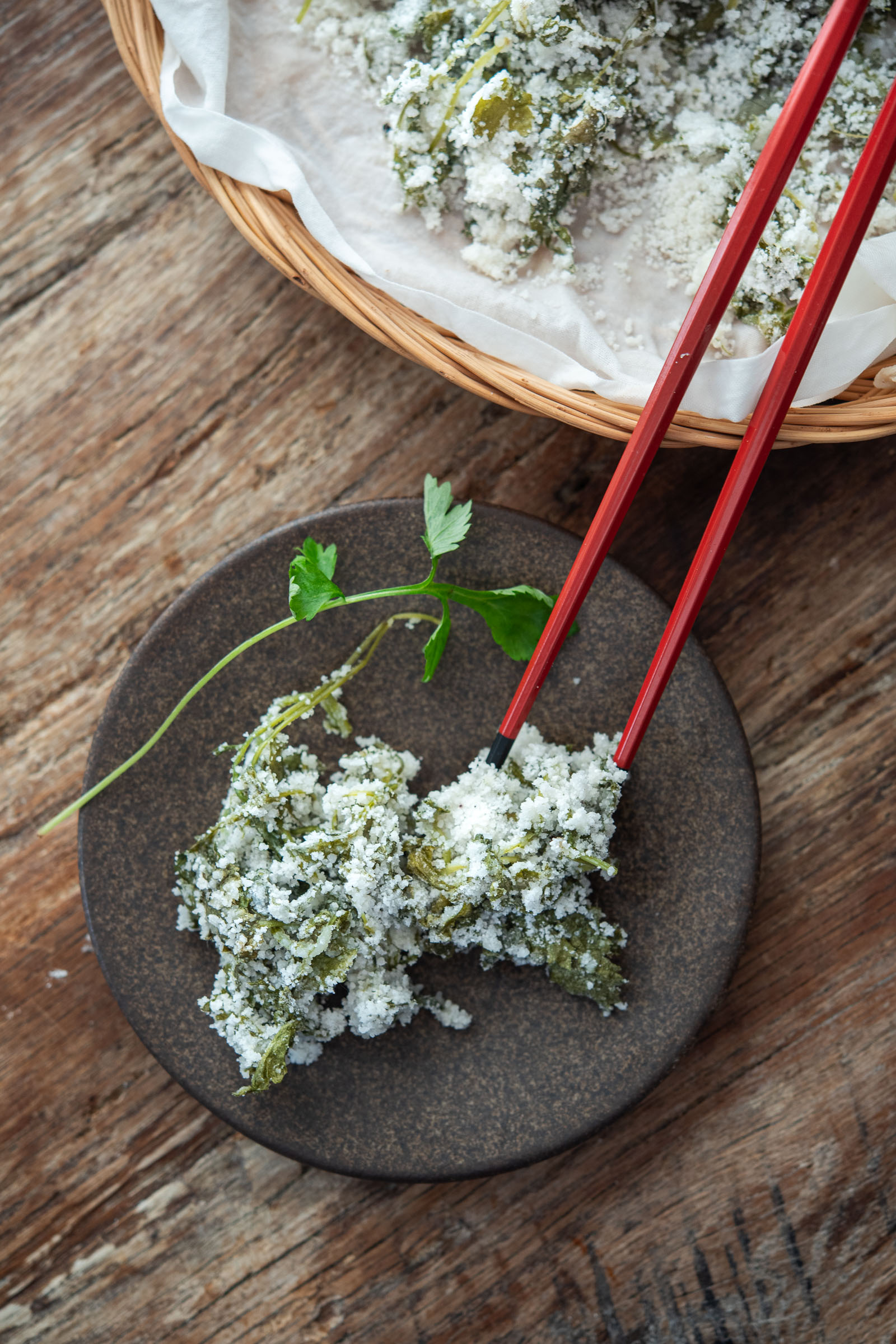
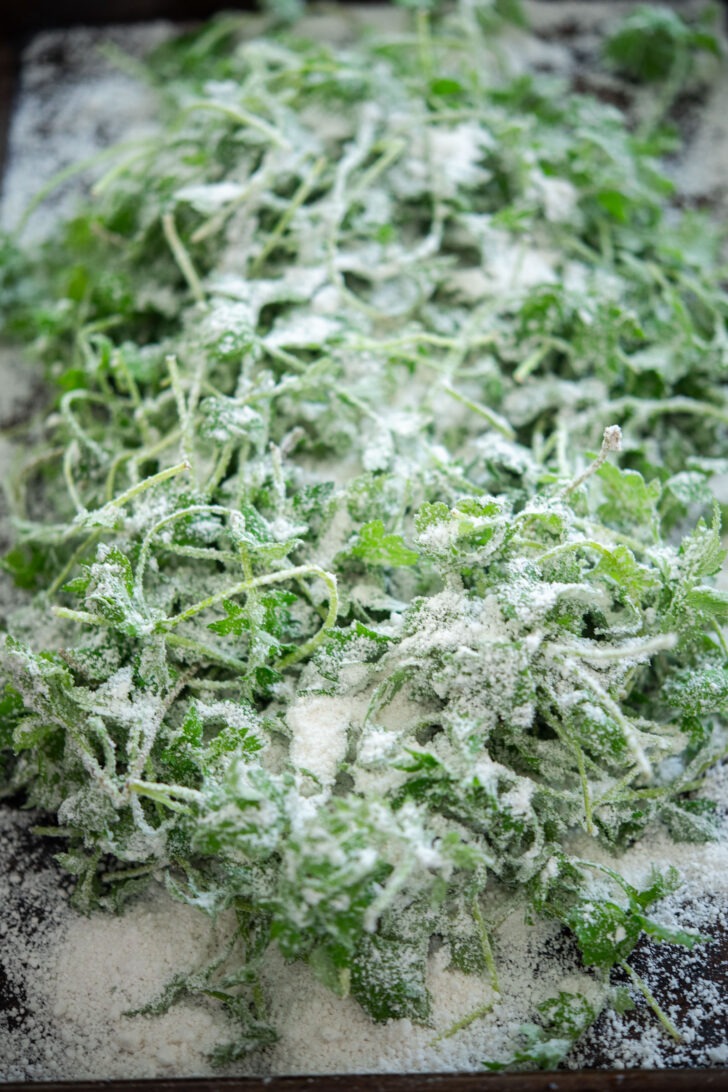
Gentle Coating of Mugwort: Fresh ssuk should be slightly damp to allow the rice flour to adhere properly. Overly wet herbs can lead to clumping and a sticky cake, while excessively dry herbs will result in uneven coating. A common practice is to rinse the ssuk and shake off excess water, leaving just enough moisture for the flour to cling. Tossing the coated mugwort on a large baking sheet facilitates even distribution.
-
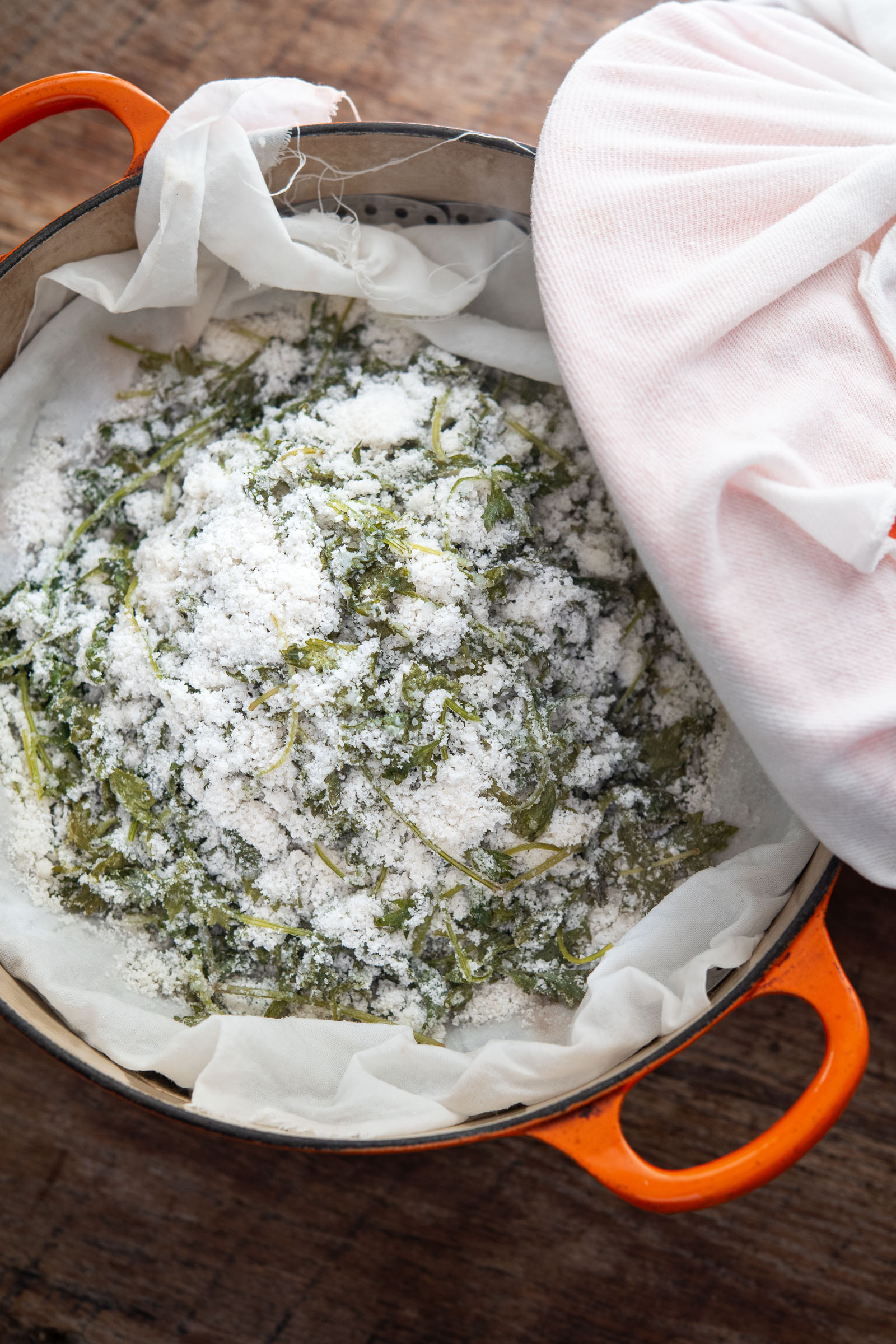
Loose Layering in the Steamer: When assembling the cake in the steamer, it is crucial to avoid pressing the mixture down. Loose layers promote even steam circulation, contributing to the cake’s soft and airy consistency.
-
The Cloth-Lined Steamer and Lid: A traditional method involves lining the steamer basket with a damp kitchen cloth, often sprinkled with a bit of sugar. This prevents sticking and simplifies removal. Furthermore, wrapping the steamer lid with a cloth is a clever technique to absorb condensation, preventing water droplets from falling onto the cake during steaming. This ensures a uniformly cooked and textured result.
Culinary Context and Wider Implications
The popularity of ssuk beomuri reflects a broader trend in global cuisine: a growing appreciation for traditional, naturally wholesome ingredients and methods. As consumers increasingly seek out plant-based and gluten-free options, traditional recipes like ssuk beomuri, which inherently meet these criteria, gain wider appeal. This rice cake’s appeal extends beyond its dietary benefits; it represents a connection to nature, seasonality, and cultural heritage. The resurgence of interest in such dishes can be seen as a counterpoint to the fast-paced, processed nature of modern food systems, offering a moment of grounding and connection to ancestral culinary practices.
The ease of preparation and the minimal ingredient list also make ssuk beomuri an accessible entry point for individuals new to Korean cuisine. Its delicate flavor profile is a gentle introduction to the subtle complexities of Korean ingredients, encouraging further exploration of the country’s rich culinary landscape. The increasing availability of Korean ingredients, including ssuk and rice flour, in international markets further supports the dissemination of these traditional recipes.
Serving and Preservation
Ssuk beomuri is best enjoyed warm, immediately after steaming, when its texture is at its most tender and its mugwort aroma is most pronounced. After a brief resting period, the cake can be gently broken into pieces. It serves as an ideal accompaniment to tea, much like other lightly sweet Korean desserts such as yakshik, a sweet rice dessert often prepared with chestnuts and jujubes.
For storage, any leftover ssuk beomuri should be cooled completely and kept in an airtight container in the refrigerator for up to two days. To revive its soft texture, it is recommended to steam the cake again for a few minutes until warm. This method is superior to microwaving, as it helps to restore the delicate crumb without compromising its moisture and tenderness.
The creation of ssuk beomuri is more than just a culinary endeavor; it is an act of preserving tradition, celebrating the seasons, and sharing a piece of Korean cultural heritage. As this delicate mugwort rice cake continues to gain recognition, it offers a delicious and wholesome pathway into the heart of Korean springtime.
Nutritional Profile
A serving of ssuk beomuri (approximately 1/6 of the recipe) provides around 349 kcal, with 78g of carbohydrates, 5g of protein, and 1g of fat. It contains essential micronutrients such as 3g of fiber and 10g of sugar, along with notable amounts of Vitamin A (967 IU), and trace amounts of Vitamin C, calcium, and iron. This nutritional breakdown highlights its role as a light, energizing, and naturally wholesome treat.