
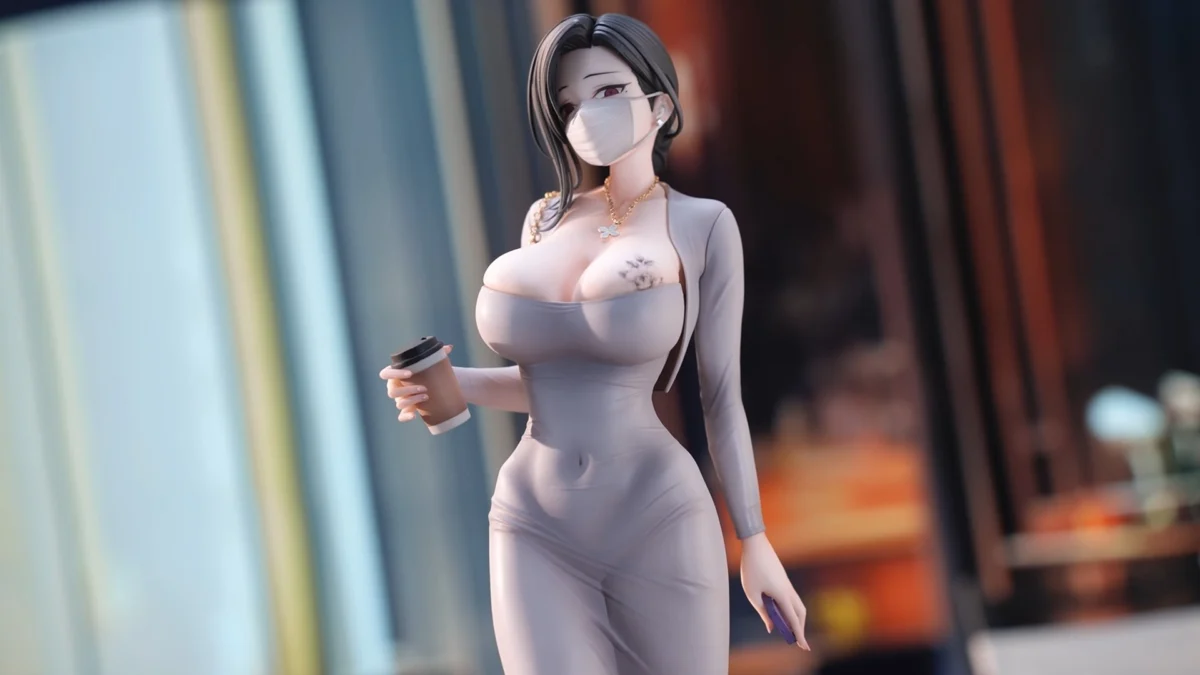
A growing wave of public indignation has emerged in South Korea as residents of Hwaseong City and various advocacy groups call for the immediate cessation of sales and distribution of a new anime-style collectible figure known as the Dongtan Missy. The figure, which depicts a woman in a skintight, form-fitting dress with a plunging neckline and a surgical-style facemask, has become the center of a heated national debate regarding the sexualization of specific demographics and the potential for regional defamation. Critics argue that the product exploits a controversial social stereotype associated with the affluent "New City" (Sindosi) districts of Hwaseong, specifically the Dongtan area, while proponents of artistic freedom suggest the backlash is an overreach by reactionary social movements.
The Cultural Origins of the Dongtan Missy Archetype
To understand the intensity of the current controversy, it is necessary to examine the socio-economic backdrop of Hwaseong City. Dongtan is a prominent "New City" development in South Korea, primarily known for its high concentration of young, affluent families and its proximity to major technology hubs, including Samsung Electronics’ semiconductor plants. Over the last decade, the term "Dongtan Missy" has evolved from a simple descriptor of a young married woman living in the district into a specific cultural trope and internet meme.
In South Korean digital parlance, a "Missy" refers to a young, fashionable married woman who maintains a sophisticated and youthful appearance. The "Dongtan Missy" variant specifically characterizes these women as wearing a distinct style of clothing—often described as "the Dongtan look"—which typically consists of tight, monochromatic jersey or knit dresses that emphasize the wearer’s silhouette. While the look began as a genuine fashion trend among young mothers in the district, it was quickly co-opted by online communities and adult-oriented media, where it was transformed into a fetishized archetype. The figure currently under fire is seen by many residents as the physical manifestation of this fetishization, turning a real-world community into a caricature for commercial gain.
Product Specifications and Artistic Inspiration
The controversial figure is a 1/6 scale collectible based on the original illustrations of the artist known as K Pring. The design features a character with narrowed, "seductive" eyes, long hair, and a facemask—an accessory that gained aesthetic popularity during the COVID-19 pandemic and has since been incorporated into various "mysterious" or "urban" character designs in East Asian pop culture. The character is dressed in a grey, skintight "bodycon" dress that is synonymous with the "Dongtan" stereotype.
The figure is being distributed through several major hobby retailers, including Good Smile Company and Otaku Mode. Depending on the retailer and the specific edition, the product is priced between $60 and $90, placing it in the mid-range of the collectible market. This accessibility has heightened concerns among local residents, who fear that the figure’s affordability will lead to its widespread presence in domestic and international collections, further cementing the "sexualized neighbor" stereotype in the global consciousness.
Chronology of the Backlash and Legal Petitions
The controversy reached a boiling point in early May 2025, following the publication of reports in major South Korean media outlets, including the Maeil Business Newspaper. According to these reports, the Hwaseong community began mobilizing after images of the figure’s prototype and pre-order pages began circulating on local "Mom Cafes"—influential online forums for parents and residents.
By mid-May, formal complaints were being filed with law enforcement and local government offices. Residents have reportedly utilized the "Minwon" system—a formal civil petition process in South Korea—to demand that the figure be pulled from both physical storefronts and domestic online marketplaces. The arguments presented in these petitions are twofold: first, that the figure constitutes "public obscenity" or "harmful media" under South Korean youth protection laws, and second, that the use of the name "Dongtan" in the product’s marketing constitutes regional defamation.
The timeline of the escalation is as follows:
- Late April 2025: Pre-orders for the K Pring "Dongtan" figure open on international hobby sites.
- Early May 2025: Screenshots of the figure go viral on South Korean community portals (DC Inside, ArcaLive) and Hwaseong-specific "Mom Cafes."
- May 8, 2025: National news outlets begin covering the localized outrage, highlighting the "Dongtan Missy" stereotype.
- Mid-May 2025: Coordinated efforts by residents to file mass civil complaints with the Korea Game Management Committee (GMC) and the Korea Communications Standards Commission (KCSC) are reported.
Socio-Political Climate and the Gender Divide
The controversy over the Dongtan Missy figure does not exist in a vacuum; it is the latest flashpoint in South Korea’s ongoing and deeply polarized "gender war." For several years, the country has seen intense friction between radical feminist groups and "anti-feminist" men’s rights activists. This friction frequently manifests in the world of gaming and anime.

Feminist organizations in South Korea have a history of being highly reactionary toward depictions of women in media that they deem "objectifying" or "misogynistic." Previous controversies, such as those involving the mobile game Stellar Blade or various "Live2D" avatars in gacha games, have seen employees fired or content censored following pressure from activist groups. In the case of the Dongtan Missy, activists argue that the figure reinforces a "male gaze" that views real-world women—specifically mothers and wives in Hwaseong—as sexual objects rather than human beings.
Conversely, some hobbyists and proponents of free expression argue that the backlash is a form of "moral panic." They contend that the figure is a work of fiction and that the "Dongtan" label is a tribute to a popular fashion aesthetic rather than an attack on the residents of the city. However, the specific naming of a geographic location has made this defense more difficult to sustain than in previous cases of character design controversy.
Official Responses and Regulatory Hurdles
As of late May, South Korean law enforcement agencies have acknowledged the receipt of complaints but have remained cautious regarding their ability to ban the product. Under current South Korean law, "obscenity" is a strictly defined legal category. While the figure is provocative, it does not necessarily meet the legal threshold for "hardcore" pornography, which is strictly prohibited in the country.
However, the Korea Communications Standards Commission (KCSC) has the authority to block domestic access to websites that host "harmful" or "indecent" content. If the KCSC determines that the marketing of the Dongtan Missy figure is detrimental to public morals or harmful to the reputation of Hwaseong City, they could potentially mandate that domestic retailers de-list the item.
Local politicians in Hwaseong have also weighed in. Several members of the local council have expressed "deep concern" that the city’s brand—which they have spent years cultivating as a center for high-tech industry and family-friendly living—is being tarnished by its association with adult-oriented collectibles. There have been internal discussions regarding whether the city can pursue a trademark or "publicity rights" claim against the manufacturers for using the "Dongtan" name without authorization in a manner that disparages the community.
Broader Implications for the Global Hobby Industry
The Dongtan Missy controversy highlights a growing challenge for the global anime and figure industry: the intersection of localized memes and international commerce. As character designers increasingly draw inspiration from real-world subcultures and internet trends, they run the risk of alienating the very communities they are referencing.
For manufacturers like Good Smile Company, the situation presents a significant PR dilemma. While the figure is popular among collectors and has likely seen strong pre-order numbers, the threat of legal action or a broader boycott in the lucrative South Korean market is a serious consideration. South Korea is one of the world’s largest markets for high-end collectibles, and alienating its consumer base or government regulators could have long-term consequences.
Furthermore, this event may lead to a shift in how characters are named and marketed. To avoid "regional defamation" claims, companies may move away from using specific city names in their product titles, opting instead for generic descriptors. The "Dongtan" case serves as a cautionary tale of how a localized fashion trend can transform into a legal and social liability when commercialized as a sexualized archetype.
Analysis of Potential Outcomes
The outcome of this controversy will likely depend on the persistence of the Hwaseong residents and the stance taken by South Korean regulatory bodies. If the government sides with the residents, we may see:
- Mandatory Rebranding: The manufacturer may be forced to remove the word "Dongtan" from all marketing materials and packaging for the South Korean market.
- Import Restrictions: Customs authorities could potentially flag the item as "harmful media," making it difficult for individual collectors to import the figure from overseas.
- Retailer Self-Censorship: Major South Korean hobby shops may voluntarily stop carrying the item to avoid negative publicity or "Minwon" floods.
Regardless of the legal outcome, the Dongtan Missy figure has already left an indelible mark on the cultural discourse in South Korea. It has highlighted the sensitivities of "New City" residents who feel their lifestyles are being caricatured and has once again exposed the deep-seated gender tensions that continue to shape the country’s media landscape. As the hobby industry continues to expand, the balance between artistic provocation and community respect remains a delicate and increasingly litigious tightrope.