
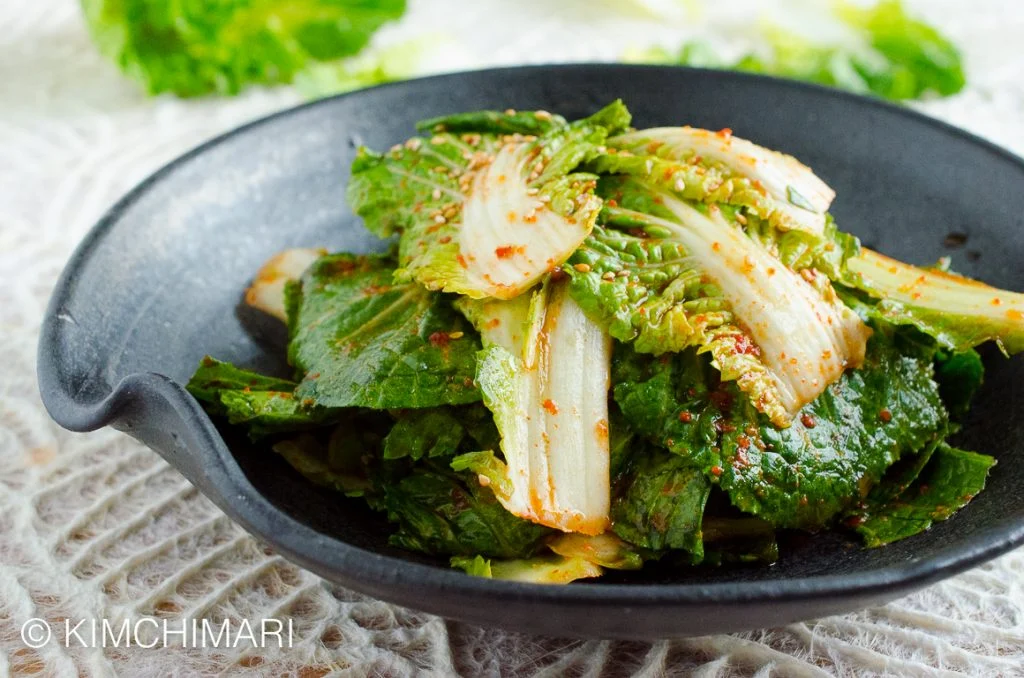
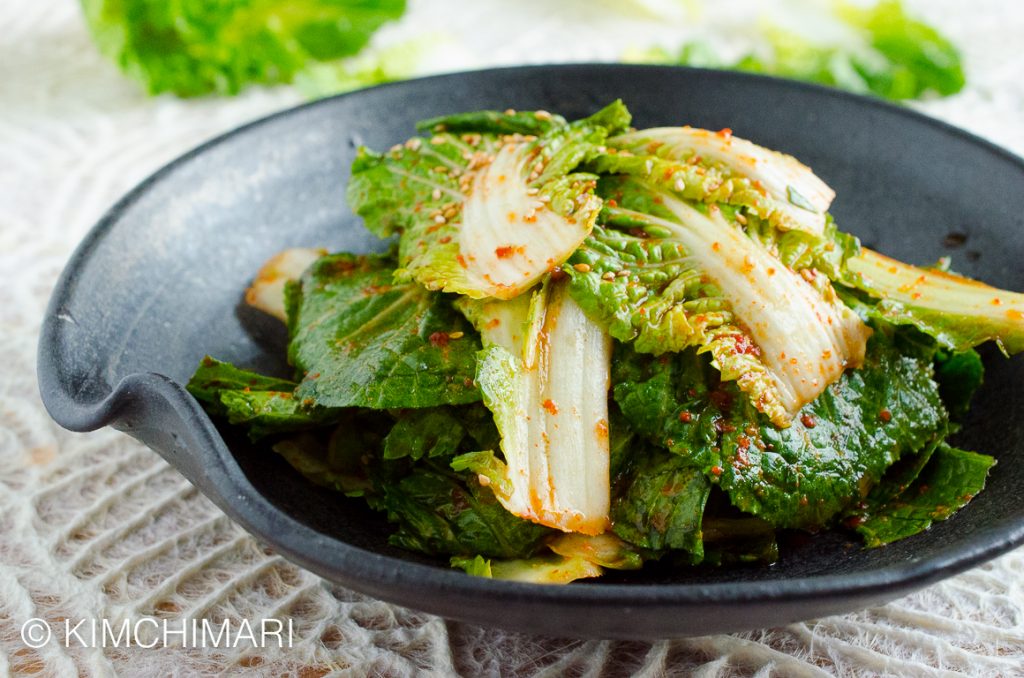
The culinary landscape of early spring in Korea is marked by the arrival of Bomdong, a unique variety of cabbage that heralds the season’s transition. This tender, flavorful vegetable forms the base of Geotjeori, a rapid and refreshing kimchi salad that offers an immediate taste of springtime without the lengthy fermentation typically associated with traditional kimchi. Known colloquially as "instant kimchi" or "fresh kimchi salad," Geotjeori bypasses the traditional pickling and aging process, presenting a vibrant, ready-to-serve dish that captures the essence of the season.
The Essence of Geotjeori: A Taste of Immediate Spring
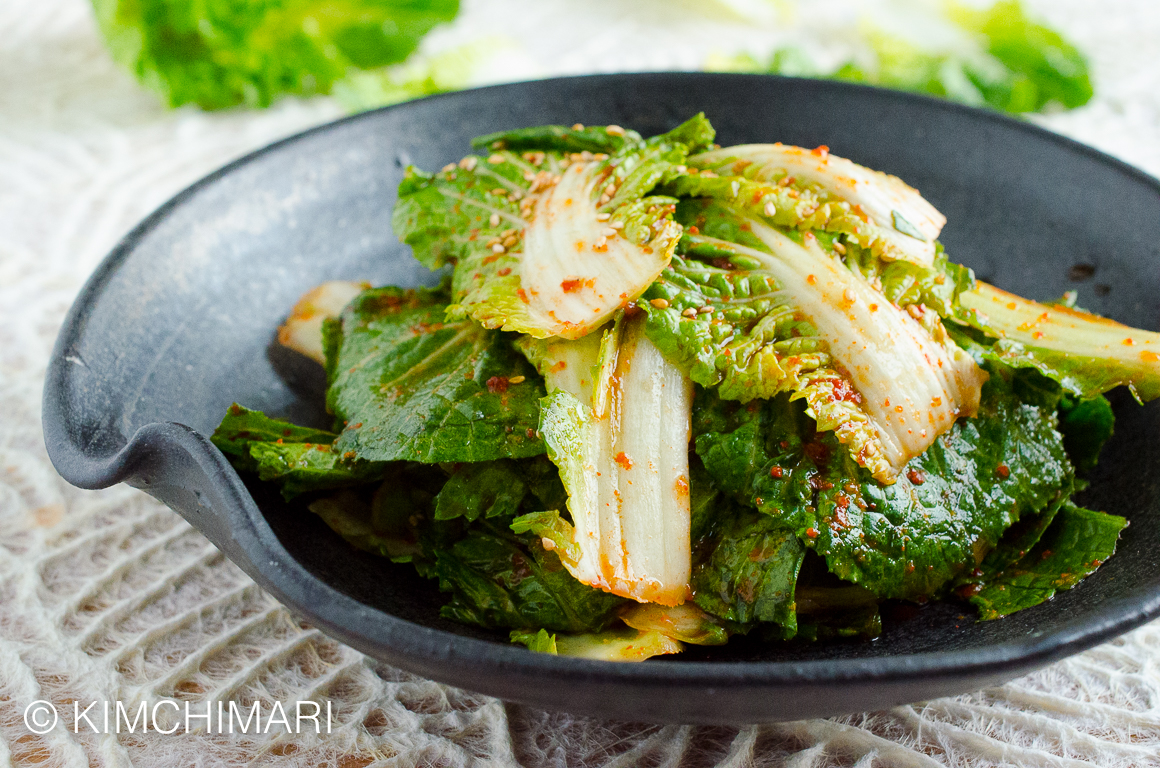
Geotjeori, a Korean term that literally translates to "pickling the outside," signifies a method of preparing kimchi that involves minimal processing and immediate consumption. Unlike its fermented counterparts, which can take days or even weeks to develop their characteristic complex flavors, Geotjeori is a testament to culinary immediacy. The dish is prepared by simply tossing fresh ingredients with a flavorful seasoning blend, creating a light, crisp, and zesty salad that is perfect as a side dish or a vibrant addition to any meal.
This quick-preparation kimchi salad has gained traction globally, often referred to by various English names such as "Instant Kimchi," "Fresh Kimchi," or "Kimchi Salad." While the nomenclature may vary, the underlying principle remains the same: a swift, uncomplicated approach to enjoying the beloved flavors of kimchi. The recipe’s appeal lies in its simplicity and the ability to deliver a burst of fresh, spicy, and savory notes in mere minutes, making it an ideal option for home cooks seeking authentic Korean flavors without a significant time commitment.
Bomdong: The Star of the Spring Harvest
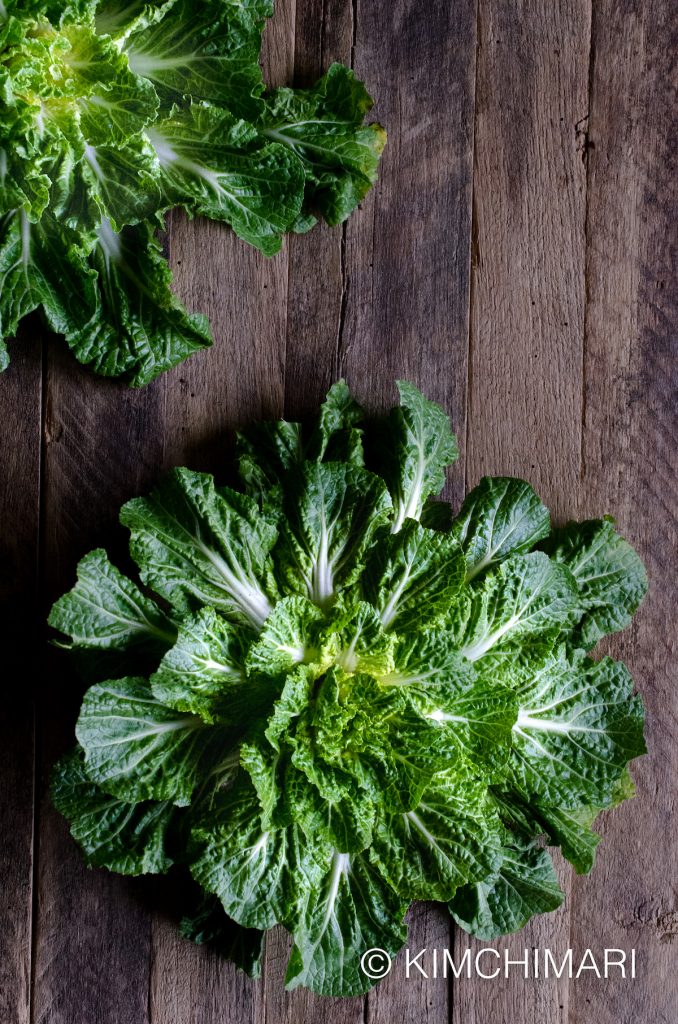
The star ingredient in this particular Geotjeori is Bomdong, a Korean spring cabbage that is distinctively available during the spring months. The name itself, "Bomdong," directly references its seasonal availability, with "Bom" meaning spring in Korean. While there has been some discussion regarding whether Bomdong is an entirely separate variety of cabbage or a specific cultivation method of the common Korean Napa cabbage, botanical and agricultural observations suggest it is a distinct type.
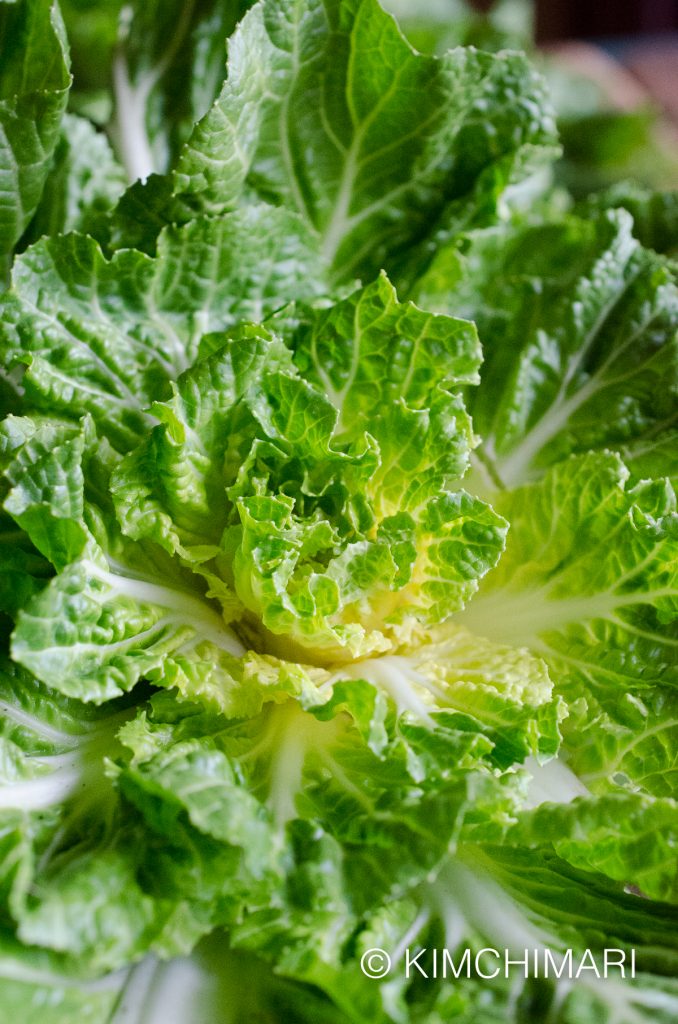
Bomdong belongs to the "semi-heading cabbage" category, characterized by its flatter, more spread-out leaf structure, in contrast to the tightly packed heads of standard Napa cabbage (which falls under the "heading cabbage" type). Visually, Bomdong can be described as resembling a flattened, miniature Napa cabbage, often with curlier leaves and a delicate, almost flower-like appearance. This unique morphology contributes to its desirable culinary attributes: Bomdong is known for being smaller, juicier, more tender, and possessing a subtly sweeter flavor profile compared to its standard Napa cabbage counterpart. Its leaves can be slightly thicker but maintain a delicate texture when prepared.
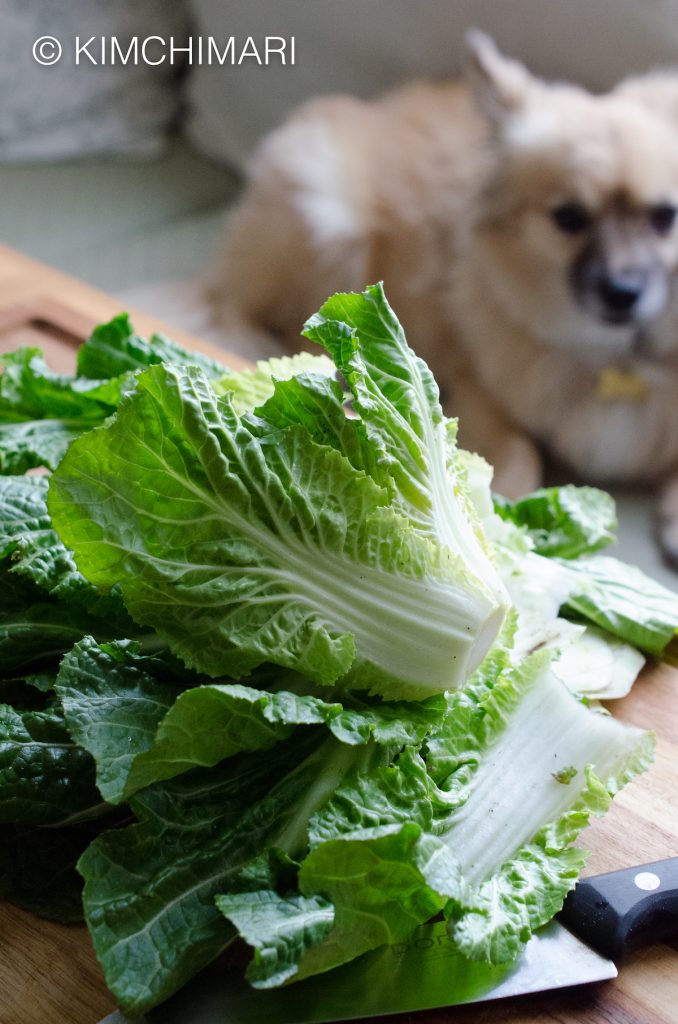
The availability of Bomdong, once geographically limited, has expanded. While traditionally a staple in certain Korean regions, it is now increasingly accessible in local markets, even in regions like California, much to the delight of enthusiasts. For those unable to procure fresh Bomdong, the inner, pale green leaves of regular Napa cabbage, particularly those that are still tender and white, can serve as a suitable substitute, offering a comparable texture and a mild flavor base.
An Evolving Recipe: Enhancements for Deeper Flavor
In a testament to the dynamic nature of culinary traditions and the pursuit of flavor perfection, the recipe for Bomdong Geotjeori has seen an update. As of March 2026, a refined seasoning blend has been developed, aiming to elevate the dish with a more profound and nuanced taste. The key enhancements involve a sophisticated combination of two types of Korean fish sauce: anchovy sauce (myeolchi aekjeot) and sand lance fish sauce (kkanari aekjeot). This dual-sauce approach is designed to deliver a richer, sweeter umami experience than either sauce used alone.
Furthermore, the inclusion of maesil syrup, a fermented green plum syrup, introduces a layer of brightness and a subtle fruity aroma that complements the savory and spicy elements. This updated seasoning profile aims to provide a bolder, deeper, and more complex flavor, catering to those who appreciate a more robust and layered Korean taste. This evolution reflects a continuous effort to refine and enhance traditional recipes, ensuring their relevance and appeal across generations.
The Culinary Process: Crafting Bomdong Geotjeori
The preparation of Bomdong Geotjeori is remarkably straightforward, making it an accessible recipe for cooks of all skill levels. The dish is typically prepared in under 15 minutes, with minimal active cooking time involved. The process generally involves washing and chopping the Bomdong cabbage, followed by a gentle tossing with a seasoning paste.
Ingredients for the Fresh Cabbage Kimchi Salad:
The exact ingredient list for the seasoning can vary, but typically includes:
- Gochugaru (Korean chili flakes): The foundation of kimchi’s characteristic heat and color. The amount can be adjusted to personal spice preference.
- Fish Sauce: Traditionally, either anchovy sauce (myeolchi aekjeot) or sand lance sauce (kkanari aekjeot), or a combination, is used for salinity and umami.
- Garlic: Minced fresh garlic is essential for its pungent aroma and flavor.
- Ginger: Finely grated or minced ginger adds a warm, spicy note.
- Green Onion (Scallion): Thinly sliced green onions provide freshness and a mild onion flavor.
- Sugar or Sweetener: A touch of sweetness balances the other flavors. In the updated recipe, maesil syrup serves this purpose along with adding brightness.
- Sesame Oil: A drizzle of toasted sesame oil imparts a nutty aroma and rich flavor.
- Sesame Seeds: Toasted sesame seeds add a textural contrast and visual appeal.
- Salt: Used judiciously to enhance overall flavor and draw out moisture if needed.
Preparation Steps:
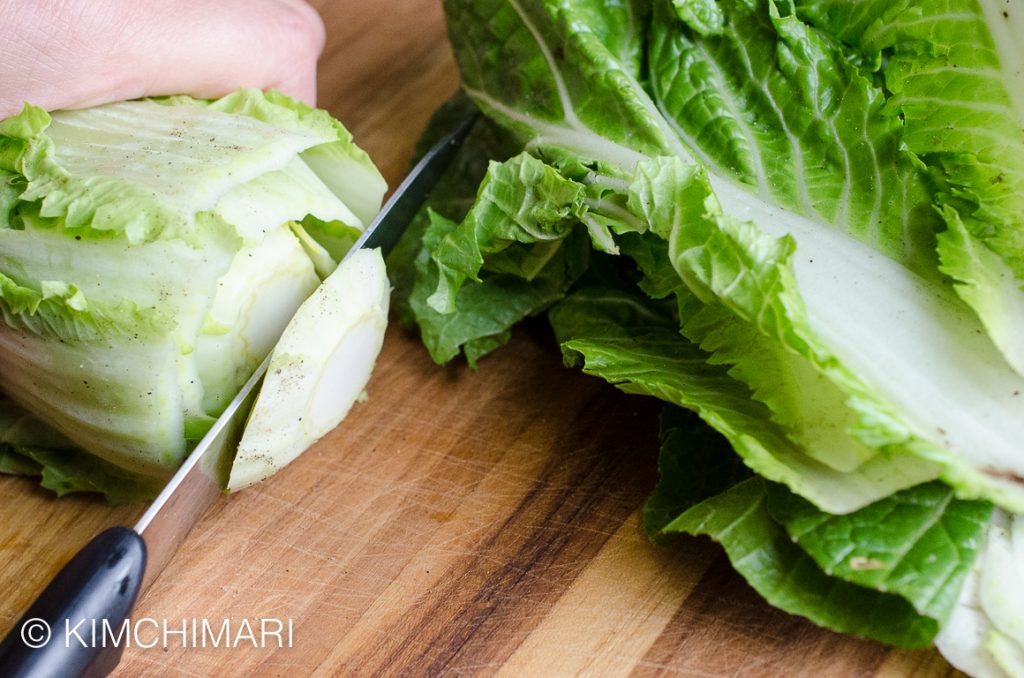
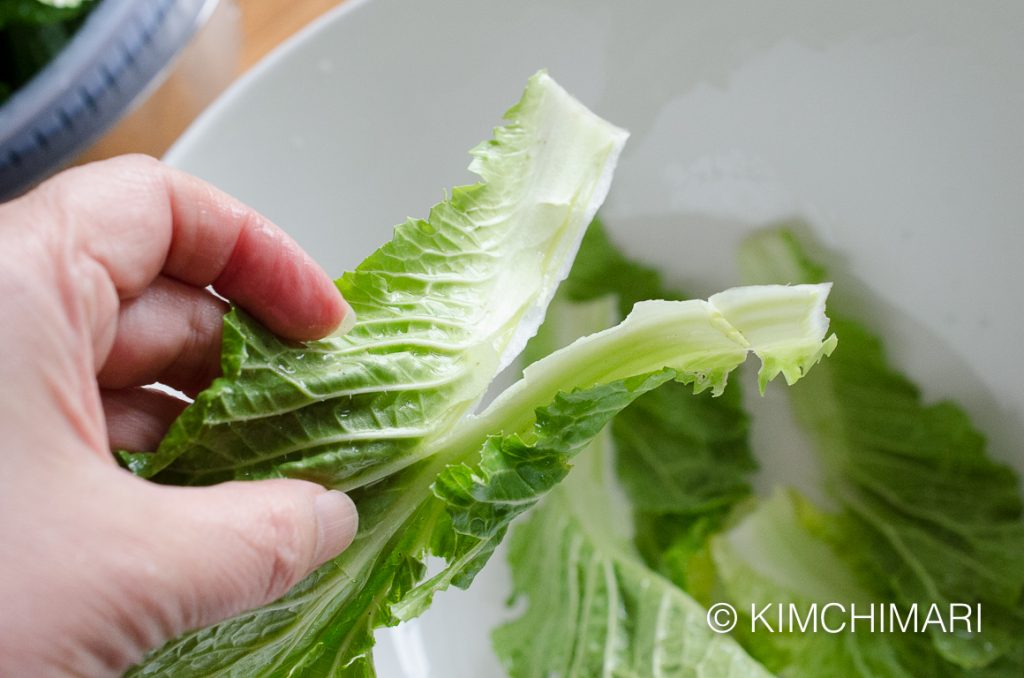
- Prepare the Cabbage: Wash the Bomdong cabbage thoroughly. If using whole leaves, they are typically cut into bite-sized pieces, roughly 1-2 inches. For a more delicate presentation, the leaves can be torn.
- Prepare the Seasoning: In a separate bowl, combine the gochugaru, minced garlic, grated ginger, fish sauce, sweetener (or maesil syrup), sesame oil, and sesame seeds. Mix well to form a paste.
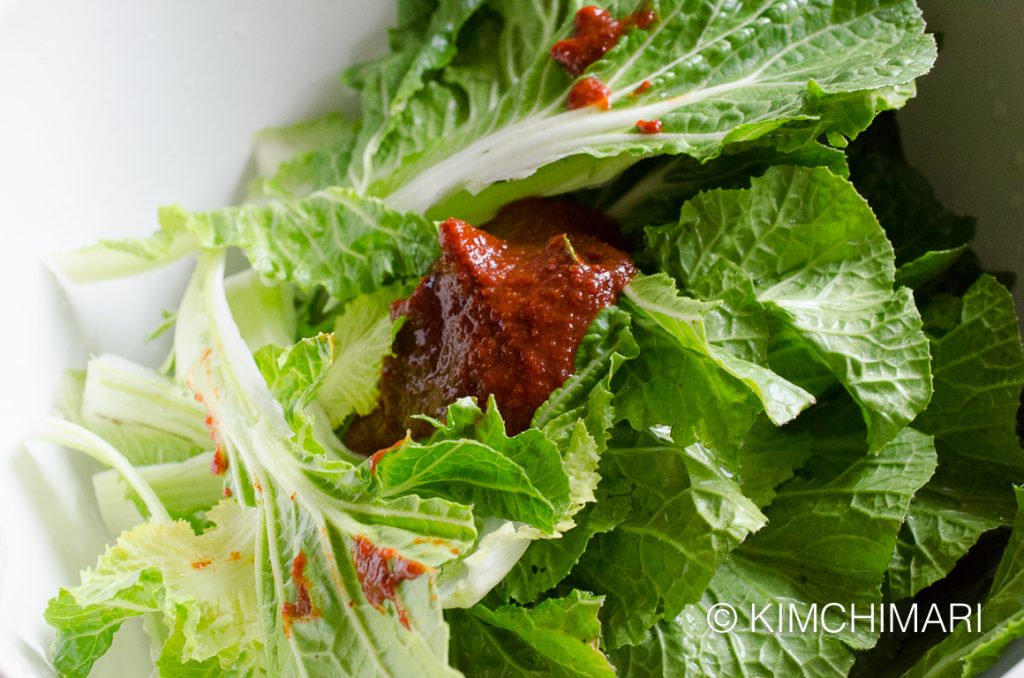
- Combine and Toss: Add the prepared cabbage and sliced green onions to the seasoning mixture. Gently toss the ingredients together, ensuring each piece of cabbage is evenly coated with the seasoning. It is important to handle the cabbage gently to avoid bruising the tender leaves.
- Serve: The Geotjeori is best served immediately, allowing diners to experience the crispness and vibrant flavors of the fresh ingredients. It can be served as a banchan (side dish) alongside Korean main courses, or incorporated into other dishes.
Culinary Applications: Beyond a Simple Side Dish
The versatility of Bomdong Geotjeori extends beyond its role as a standalone side dish. Its fresh, tangy, and slightly spicy profile makes it an excellent ingredient for transforming other Korean culinary staples.
- Bibimbap Enhancement: Leftover Bomdong Geotjeori can be a delightful addition to bibimbap. Layering it with rice, a fried egg, and a drizzle of sesame oil creates a flavorful and texturally diverse bowl. The kimchi’s acidity cuts through the richness of the egg and sesame oil, providing a balanced and satisfying meal.
- Bibim Guksu: For a light and refreshing noodle dish, Bomdong Geotjeori can be mixed with cooked soba noodles or even fine pasta like angel hair. Adding a protein source such as tofu or scrambled eggs makes it a complete and wholesome meal. The kimchi acts as a natural dressing, infusing the noodles with its characteristic flavors.
Nutritional Profile and Considerations
The nutritional information for Bomdong Geotjeori, particularly the original seasoning, indicates a relatively low-calorie dish with moderate amounts of carbohydrates, protein, and fat. It is a good source of vitamins A and C, as well as fiber. The sodium content can be a consideration, as is common with many kimchi preparations due to the use of fish sauce and salt.
It is important to note that the nutritional facts provided are typically for the original seasoning. For the updated 2026 recipe, recalculating the nutritional values would be necessary due to the inclusion of different fish sauces and maesil syrup, which may alter the calorie, sodium, and sugar content.
Market Availability and Substitutions
The availability of Bomdong cabbage is a key factor in the seasonal appeal of this Geotjeori. While it is a spring specialty, its increasing presence in international markets, including California, has made it more accessible. For consumers who cannot find Bomdong, the inner, pale leaves of regular Napa cabbage offer a viable alternative. These leaves are generally more tender and less mature than the outer leaves, providing a texture and flavor profile that closely approximates Bomdong. The recipe notes emphasize that the seasoning quantities should be adjusted based on the size and weight of the cabbage used, ensuring a balanced flavor profile.
Conclusion: A Celebration of Spring’s Bounty
The Fresh Kimchi Salad with Spring Cabbage, or Bomdong Geotjeori, stands as a vibrant culinary representation of early spring in Korea. Its quick preparation, refreshing taste, and the unique characteristics of Bomdong cabbage make it a highly desirable dish. The ongoing evolution of its seasoning, as demonstrated by the updated recipe featuring a blend of anchovy and sand lance fish sauces with maesil syrup, highlights the dynamic and adaptive nature of Korean cuisine. Whether enjoyed as a simple side dish or incorporated into more elaborate preparations like bibimbap and bibim guksu, Bomdong Geotjeori offers a delightful and accessible way to savor the season’s freshest offerings.