
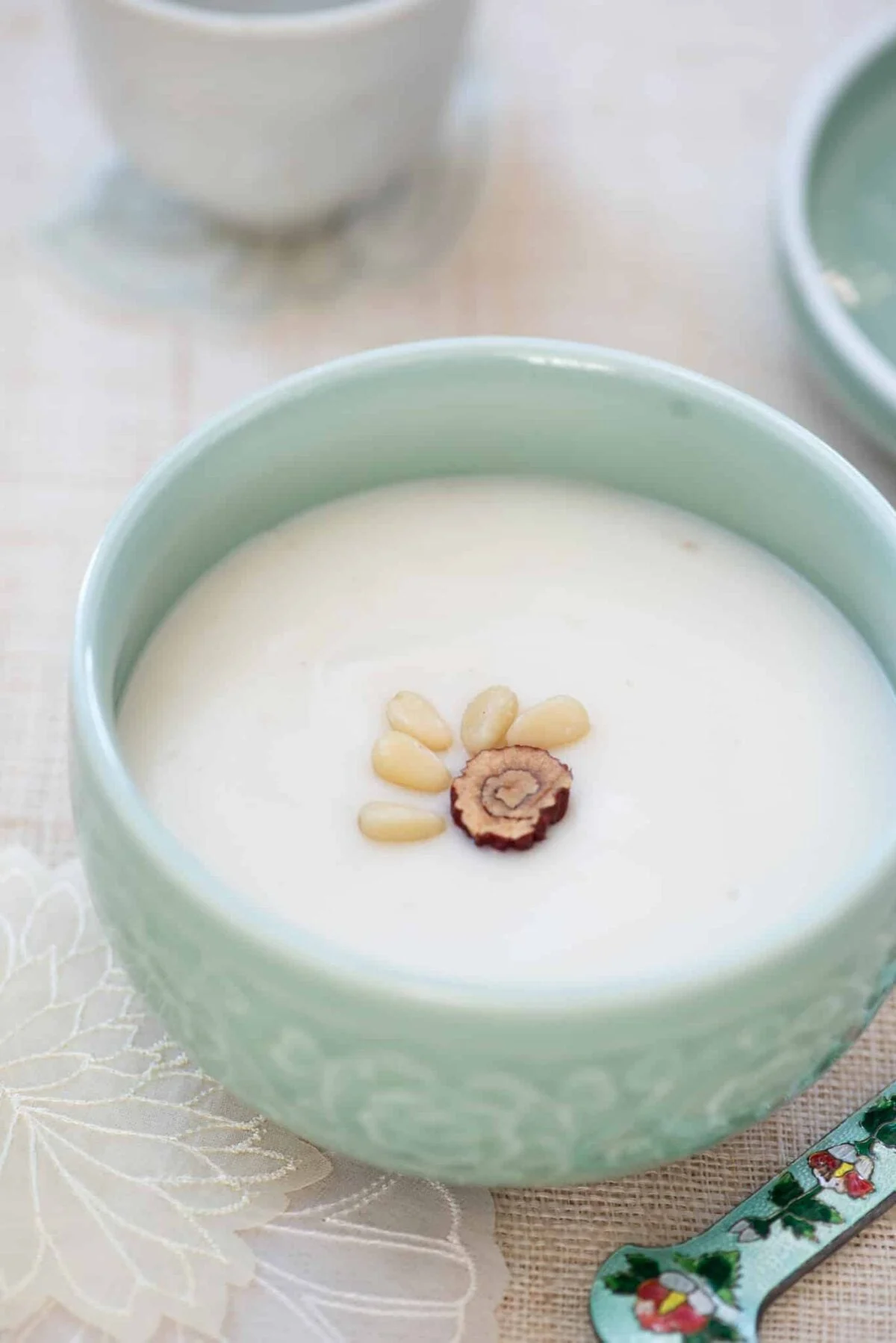
Jatjuk, a culinary staple in Korean cuisine, is far more than just a simple porridge. Crafted from finely ground rice and nutrient-rich pine nuts, this dish embodies a harmonious blend of delicate nutty flavors and a luxuriously creamy texture, offering a comforting and deeply nourishing experience. Its appeal extends beyond mere sustenance, positioning it as a traditional remedy and a cherished breakfast option, particularly during cooler seasons. The inherent gentleness of jatjuk on the digestive system makes it an ideal choice for those recovering from illness, while simultaneously providing a substantial energy boost.
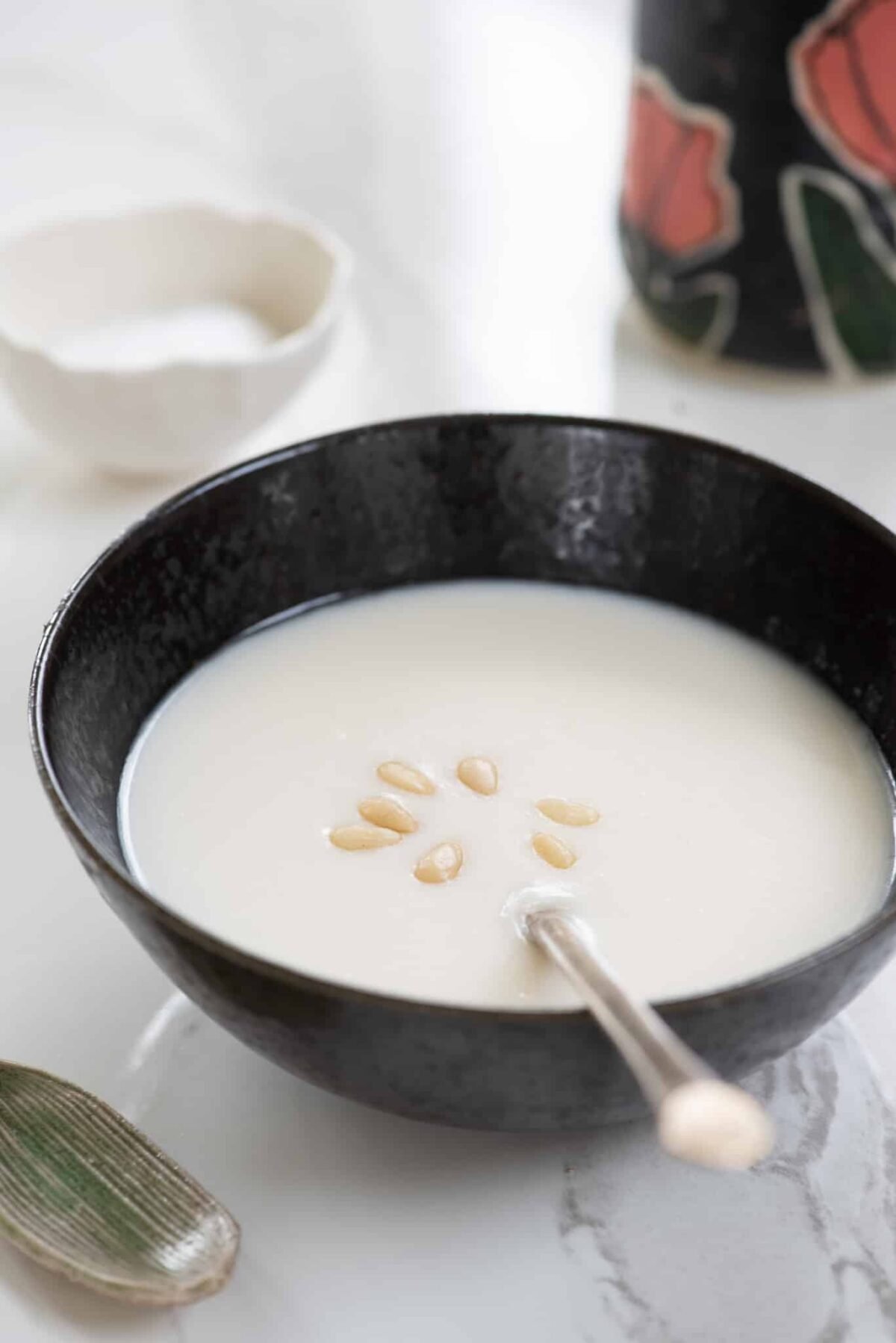
The historical significance of jatjuk in Korea is deeply rooted in its reputation as a delicacy, celebrated for its refined taste and considerable nutritional value. Pine nuts, the star ingredient, are a cornerstone of this acclaim. These small but mighty seeds are packed with beneficial omega-3 and omega-6 fatty acids, essential proteins, potent antioxidants that combat cellular damage, and a spectrum of vital minerals. This rich nutritional profile has cemented pine nuts as a highly prized ingredient across various Korean culinary traditions. Their versatility is evident in their application as both a decorative garnish and a flavor-enhancing component in a diverse array of dishes. Examples include Yaksik (sweet rice with dried fruits and nuts), White Kimchi (Baek kimchi), and Sikhye (a sweet rice beverage), where they add a subtle crunch and nutty undertone. Furthermore, pine nuts are integrated into main dishes to elevate both their flavor and nutritional content, as seen in the creamy dressing for salads or their inclusion in the chilled soy milk noodle soup, Kongguksu.
The Art of Crafting Jatjuk: Balancing Tradition and Technique
The preparation of jatjuk is a testament to the subtle complexities that can arise from seemingly simple culinary processes. At its core, the dish involves simmering finely ground rice with pine nuts. During this cooking phase, a fascinating emulsification occurs: the starches released from the rice and the natural fats from the pine nuts coalesce, culminating in the porridge’s signature buttery, velvety consistency. While the fundamental steps are straightforward, many aspiring home cooks encounter challenges in achieving the desired texture, often resulting in a porridge that is too watery or lacks the characteristic smoothness.
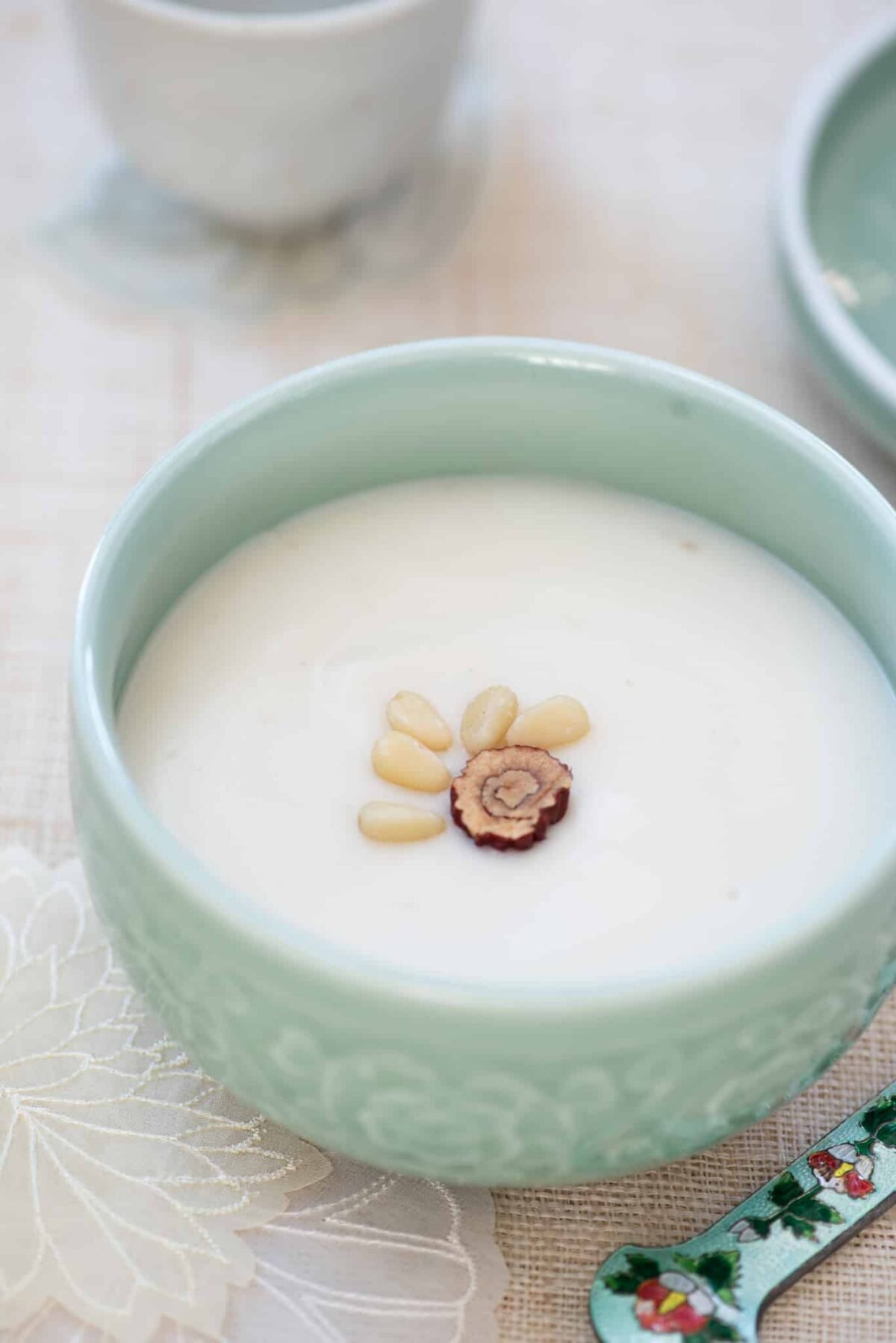
This common pitfall is largely attributed to the presence of amylase enzymes within pine nuts. These enzymes have the capability to break down rice starch. Understanding and mitigating the effect of these enzymes is crucial for achieving the perfect jatjuk. Proper cooking techniques, therefore, become paramount in ensuring the porridge retains its desirable thickness and creamy texture throughout the cooking process and beyond.
A Step-by-Step Guide to Perfect Pine Nut Porridge
The journey to a perfect bowl of jatjuk begins with careful preparation of its key components.
Ingredient Preparation: The Foundation of Flavor
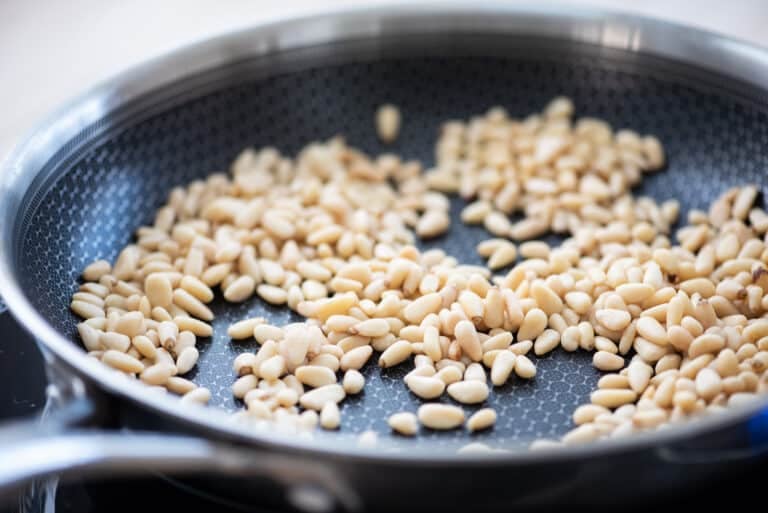
Pine Nuts: The initial step involves a gentle rinse of the pine nuts under cold water to remove any dust or debris. Following this, the nuts are lightly toasted in a dry pan over medium-low heat. This toasting process, which should ideally last for 3 to 4 minutes, is designed to enhance their flavor and aroma without allowing them to brown. Constant shaking of the pan is recommended to ensure even toasting. For those who prefer a milder pine nut flavor or are pressed for time, this toasting step can be omitted.
The ratio of rice to pine nuts is a critical determinant of the final flavor and texture. A 1:1 ratio of rice to pine nuts is often employed to achieve a rich, pronounced nutty flavor and a luxuriously creamy consistency. However, the amount of pine nuts can be adjusted according to personal preference. It is generally advised to use at least half the quantity of pine nuts relative to the rice to ensure the characteristic flavor and buttery creaminess are preserved. Importantly, even if a reduced amount of pine nuts is used, the total volume of water should not be decreased, as this can impact the overall consistency.
Rice-to-Water Ratio: The viscosity and ultimate consistency of any rice porridge are intrinsically linked to the rice-to-water ratio. For most conventional rice porridges, such as Dakjuk (chicken porridge) or Jeonbokjuk (abalone porridge), a ratio of 1:6 (rice to water) is typically employed, with slight variations depending on the desired thickness. However, jatjuk demands a significantly different approach. Due to the enzymatic properties of pine nuts, a lower water content is required, typically a 1:3 ratio of rice to water. This adjustment is essential to counteract the starch-thinning effect of the amylase enzymes.
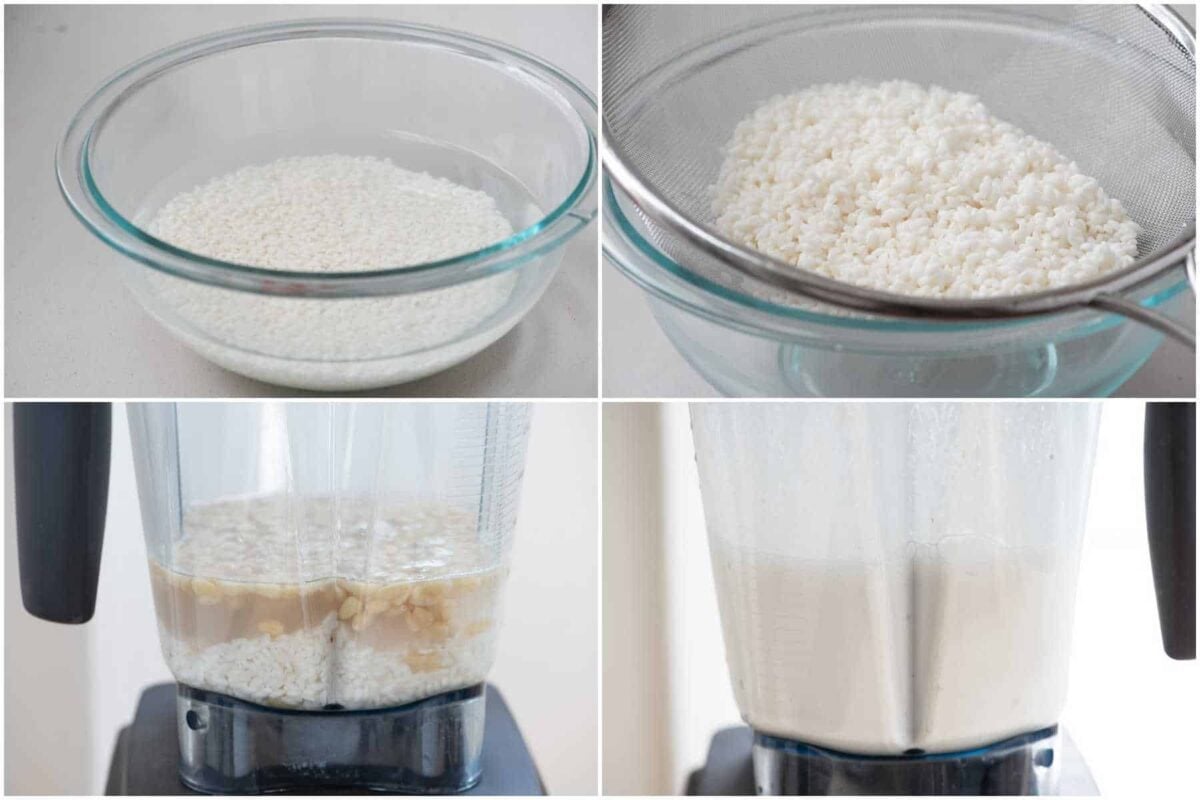
The rice itself should be rinsed thoroughly and then soaked for at least an hour, or longer if time permits, before being drained. This soaking process helps to pre-soften the rice grains, facilitating a smoother blend and reducing cooking time.
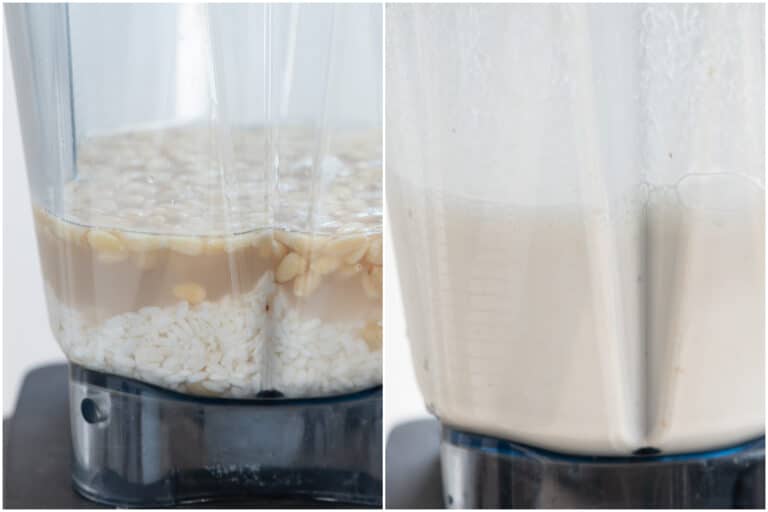
For the blending stage, the soaked rice and prepared pine nuts are combined in a blender with approximately two cups of water. The mixture is then blended until it achieves a milky, liquid consistency, which usually takes about 30 seconds, though this can vary depending on the power of the blender. Any remaining sediment in the blender can be rinsed out using the rest of the measured water, ensuring no flavor or texture is lost.
The Cooking Process: Patience and Precision
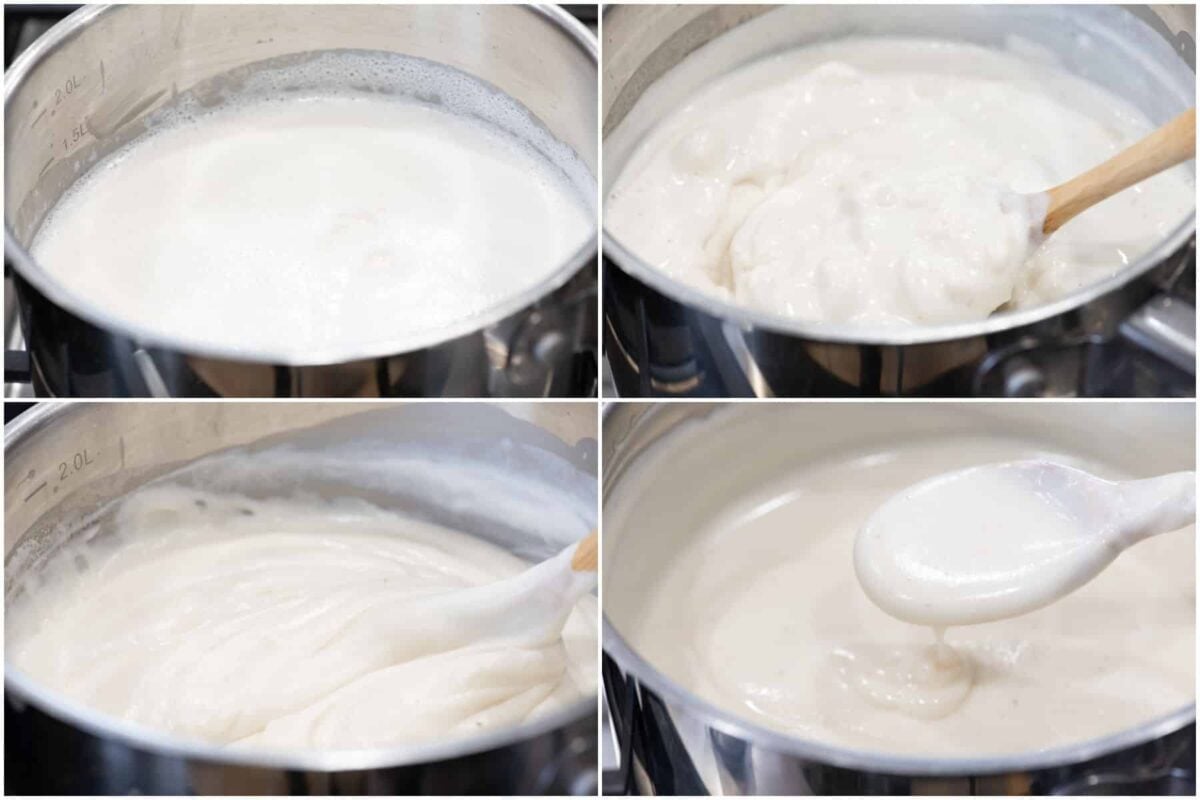
The cooking of jatjuk commences by transferring the blended rice and pine nut mixture into a pot and heating it over medium heat. Constant, gentle stirring is essential, with particular attention paid to scraping the bottom of the pot to prevent sticking and clumping. Initially, the mixture may appear to thicken and clump, but as it continues to simmer, it will gradually transform into a smooth, thin liquid.

While the finely pureed rice cooks relatively quickly, the simmering duration is a crucial factor in achieving the desired texture and stability. It is vital to simmer the porridge for a sufficient period, generally over 20 minutes for this recipe, to allow the starches to fully gelatinize and the enzymes to denature. Inadequate simmering can lead to a porridge that appears thick when hot but thins out considerably as it cools or sits, a common issue that can detract from the dish’s appeal. This extended simmering time is key to creating a stable, creamy, and satisfying texture that holds up well.
Storage and Reheating: Preserving the Comfort
Jatjuk offers excellent potential for meal preparation and storage. When properly stored in an airtight container in the refrigerator, it can remain fresh for an impressive 4 to 5 days. For longer-term preservation, jatjuk freezes remarkably well.
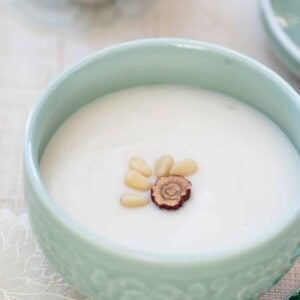
Reheating can be accomplished using either the stovetop or the microwave. Regardless of the method chosen, it is important to heat the porridge until it is thoroughly warm but not allowed to boil. Overheating can cause the porridge to become excessively thin and runny, compromising its intended texture. Gentle reheating is the key to preserving its creamy consistency.
Expanding the Porridge Repertoire: A World of Juk
The world of Korean porridge, known as "juk," is diverse and offers a comforting culinary exploration. Beyond the delicate flavors of pine nut porridge, several other varieties are cherished for their unique tastes and health benefits.
- Dakjuk (Chicken Porridge): A hearty and nourishing option, Dakjuk is often prepared with shredded chicken, rice, and aromatic vegetables, providing a substantial and comforting meal.
- Jeonbokjuk (Abalone Porridge): Celebrated for its luxurious texture and rich, oceanic flavor, Jeonbokjuk is a delicacy often reserved for special occasions. The tender abalone imparts a distinct taste and contributes to its silky smooth consistency.
- Hobakjuk (Pumpkin Porridge): This naturally sweet and vibrant porridge, made from kabocha squash, offers a delightful and wholesome option. Its inherent sweetness makes it a popular choice, often enjoyed as a dessert or a light meal.
- Patjuk (Sweet Red Bean Porridge): Traditionally consumed on the winter solstice (Dongji), Patjuk is a deeply flavorful and satisfying porridge made from red beans. Its rich, earthy sweetness and distinctive texture make it a unique and culturally significant dish.
- Turkey Porridge (with Thanksgiving Leftovers): A more contemporary adaptation, this recipe demonstrates the versatility of juk by incorporating leftover roasted turkey, offering a flavorful and resourceful way to utilize holiday staples.
The creation and enjoyment of jatjuk, along with its diverse counterparts in the Korean juk family, represent a culinary tradition that prioritizes nourishment, comfort, and the celebration of wholesome ingredients. From its delicate nutty notes to its soothing texture, jatjuk stands as a testament to the enduring appeal of simple, well-executed comfort food.
For those seeking further inspiration in Korean cuisine, a wealth of resources is available through various platforms. Engaging with culinary content on YouTube, Pinterest, Twitter, Facebook, and Instagram can provide a deeper understanding and practical guidance for exploring the rich tapestry of Korean cooking.
