
A culinary innovation is capturing taste buds with its unique texture and universally appealing flavor. The Chocolate Mochi Brownie, a creation that ingeniously replaces traditional wheat flour with sweet rice flour, offers a delightful gluten-free alternative to the classic brownie. This fusion dessert boasts a perfect harmony of sweet, chocolatey, and buttery notes, complemented by a distinctively light, spongy, and delightfully chewy texture. Its appeal is so broad that it has even won over self-proclaimed non-chocolate enthusiasts, including the creator’s own husband and daughter.
The genesis of this novel dessert can be traced back to the evolving landscape of baking and a desire to innovate within established categories. While the term "mochi cake" or "mochi butter cake" has gained traction in recent years, often referring to variations that may differ in ingredients and preparation, this Chocolate Mochi Brownie distinguishes itself by its specific formulation and the creator’s meticulous approach to ingredient selection. The inspiration stems from the traditional Korean "tteokppang," a type of rice cake, which the creator first shared a recipe for in 2014. At that time, such a dessert was not widely recognized. Fast forward two decades, and the culinary world is experiencing a surge of interest in mochi-inspired baked goods, prompting a re-examination and adaptation of existing recipes.

A Fusion of Tradition and Modern Palates
The creator, a seasoned baker and blogger, embarked on a journey to develop a chocolate iteration of the tteokppang, a project that involved extensive experimentation. The development process involved exploring various recipes for chocolate mochi cake and chocolate butter mochi, noting the diverse ingredients employed, such as coconut milk, sweetened condensed milk, and heavy cream. Different approaches to chocolate incorporation, including chocolate ganache versus cocoa powder, were also tested. Ultimately, the combination of high-quality cocoa powder and chocolate chips emerged as the preferred method for achieving the optimal flavor profile. This iterative process underscores a commitment to culinary excellence and a deep understanding of ingredient interactions.
The development timeline for such a recipe can be lengthy, often spanning months of testing and refinement. The initial tteokppang recipe, introduced in 2014, served as a foundational element. The subsequent development of the chocolate version likely involved numerous trials, adjusting ratios of wet and dry ingredients, experimenting with different types of chocolate and sweeteners, and fine-tuning baking times and temperatures. The successful outcome, particularly its ability to appeal to those who typically shy away from chocolate, highlights the effectiveness of the chosen ingredients and techniques.

The Science Behind the Chew: Sweet Rice Flour’s Advantage
The transformative element in this Chocolate Mochi Brownie is undoubtedly the use of sweet rice flour, also known as glutinous rice flour. Unlike all-purpose flour, which is derived from wheat and contains gluten, sweet rice flour is naturally gluten-free. This makes the dessert an excellent option for individuals with celiac disease or gluten sensitivities, expanding its accessibility.
The unique textural properties of sweet rice flour are attributed to its starch composition. It is rich in amylopectin, a branched polysaccharide that, when heated with liquid, forms a viscous and elastic gel. This characteristic is responsible for the signature chewy, slightly sticky texture of mochi. In the context of a brownie, this translates to a delightful contrast with the traditional fudgy or cakey texture, offering a novel sensory experience. The gluten-free nature also contributes to a lighter, more tender crumb, preventing the density that can sometimes be associated with traditional brownies.

Globally, the demand for gluten-free products has seen significant growth. According to market research firm Grand View Research, the global gluten-free products market size was valued at USD 5.9 billion in 2022 and is projected to grow at a compound annual growth rate (CAGR) of 9.5% from 2023 to 2030. This trend reflects a growing awareness of dietary needs and a preference for healthier or more inclusive food options. The Chocolate Mochi Brownie aligns perfectly with this market demand, offering a delicious and safe indulgence for a wider consumer base.
Key Ingredients and Their Roles
The creator emphasizes the importance of ingredient quality, providing specific recommendations to ensure the best possible outcome. While a full recipe is typically provided separately, the article highlights the critical components:
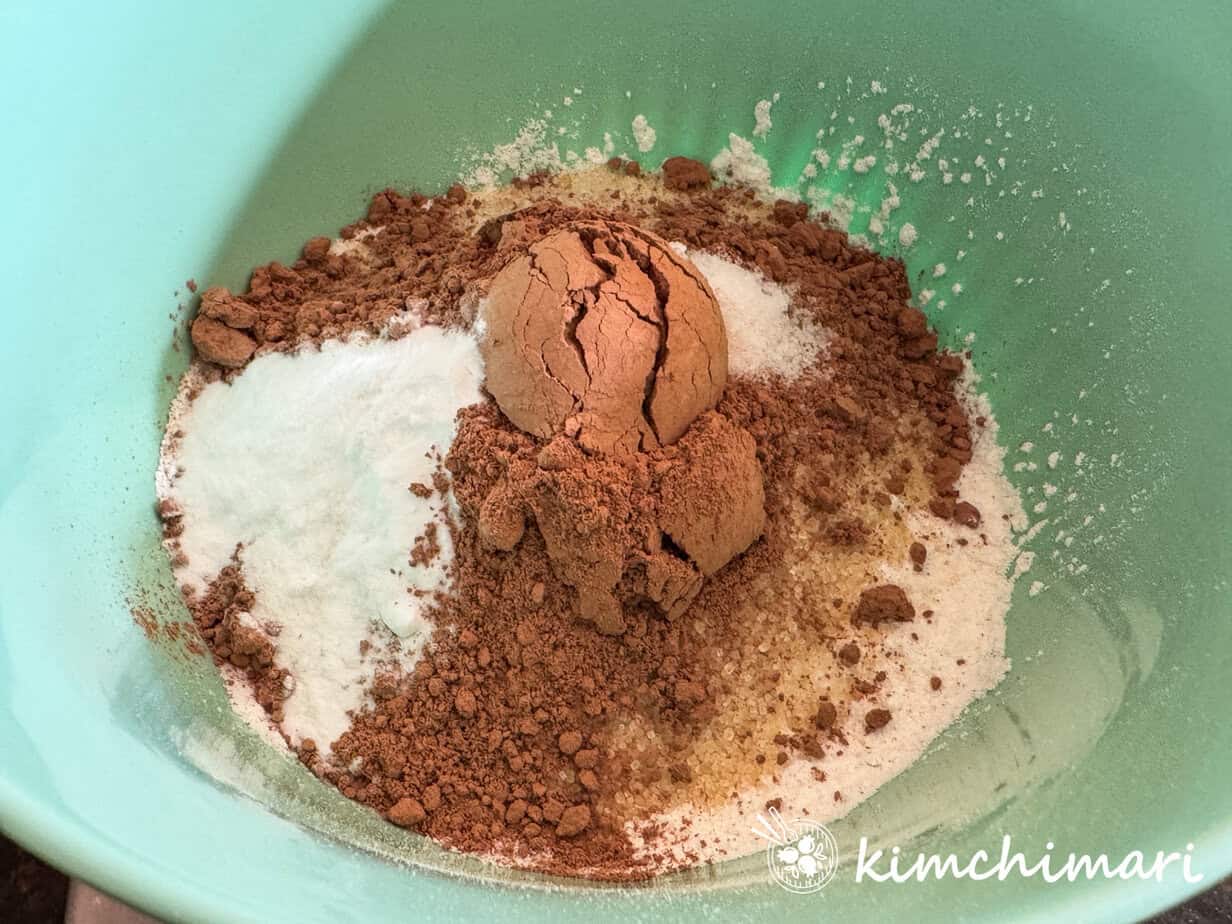
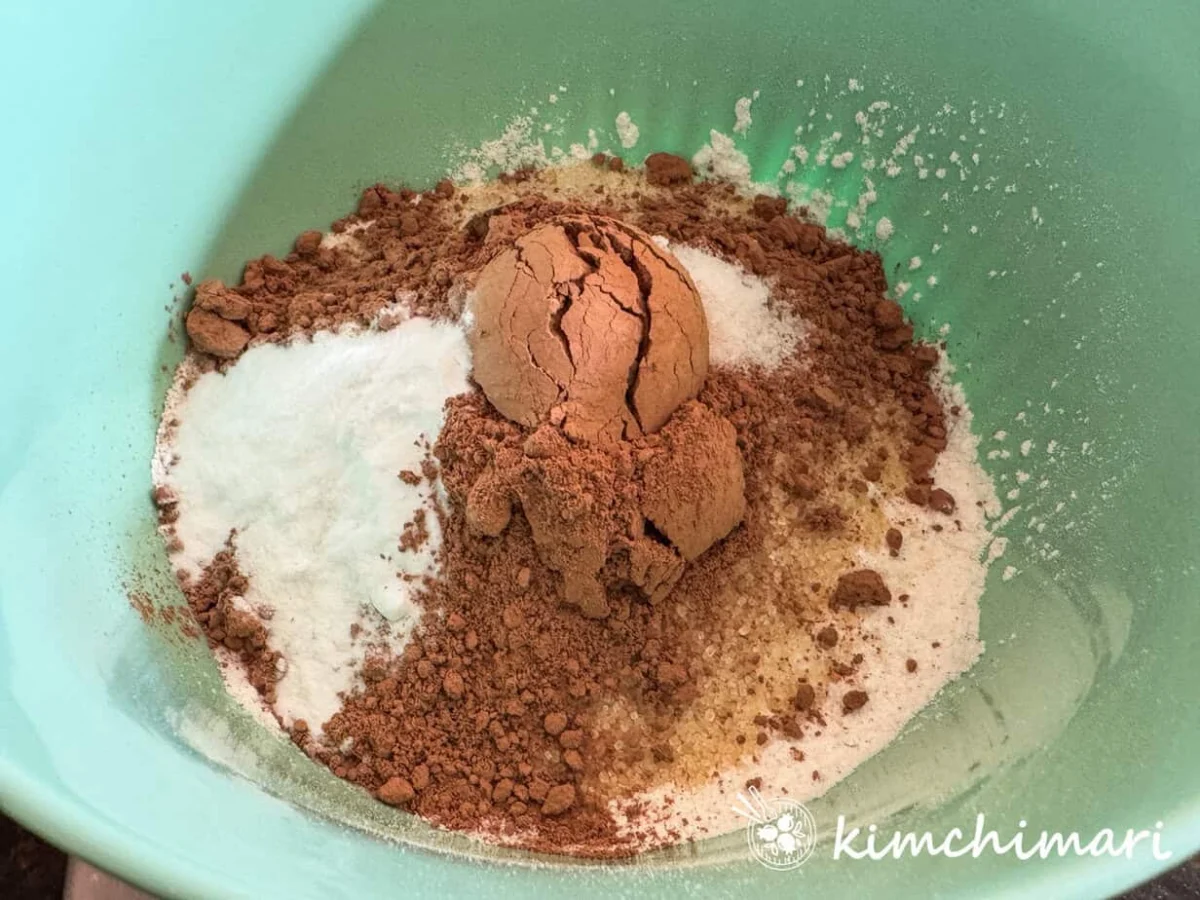
- Sweet Rice Flour: The cornerstone of the dessert, responsible for its unique texture and gluten-free status. The quality and brand of sweet rice flour can influence the final texture, with some brands yielding a chewier result than others.
- Cocoa Powder: The type of cocoa powder used significantly impacts the chocolate flavor. Dutch-processed cocoa powder, which has been alkalized, offers a smoother, less bitter taste and a darker color, often preferred in chocolate baking. Natural cocoa powder is more acidic and can provide a sharper chocolate flavor. The choice between the two can subtly alter the overall taste profile.
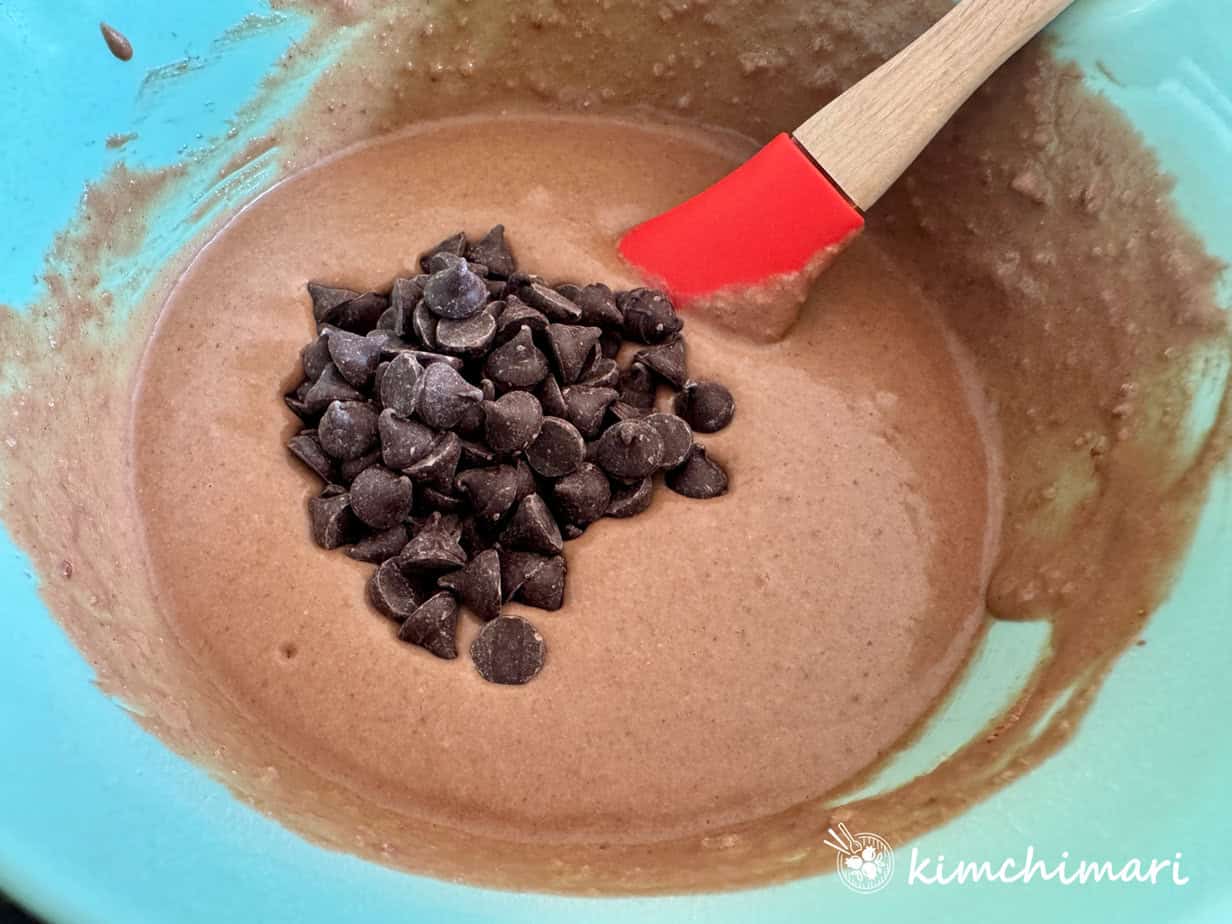
- Chocolate Chips: The addition of chocolate chips introduces pockets of melted chocolate throughout the brownie, enhancing the richness and providing bursts of intense chocolate flavor. The type of chocolate chips (e.g., semi-sweet, dark, milk) can also be adjusted to personal preference.
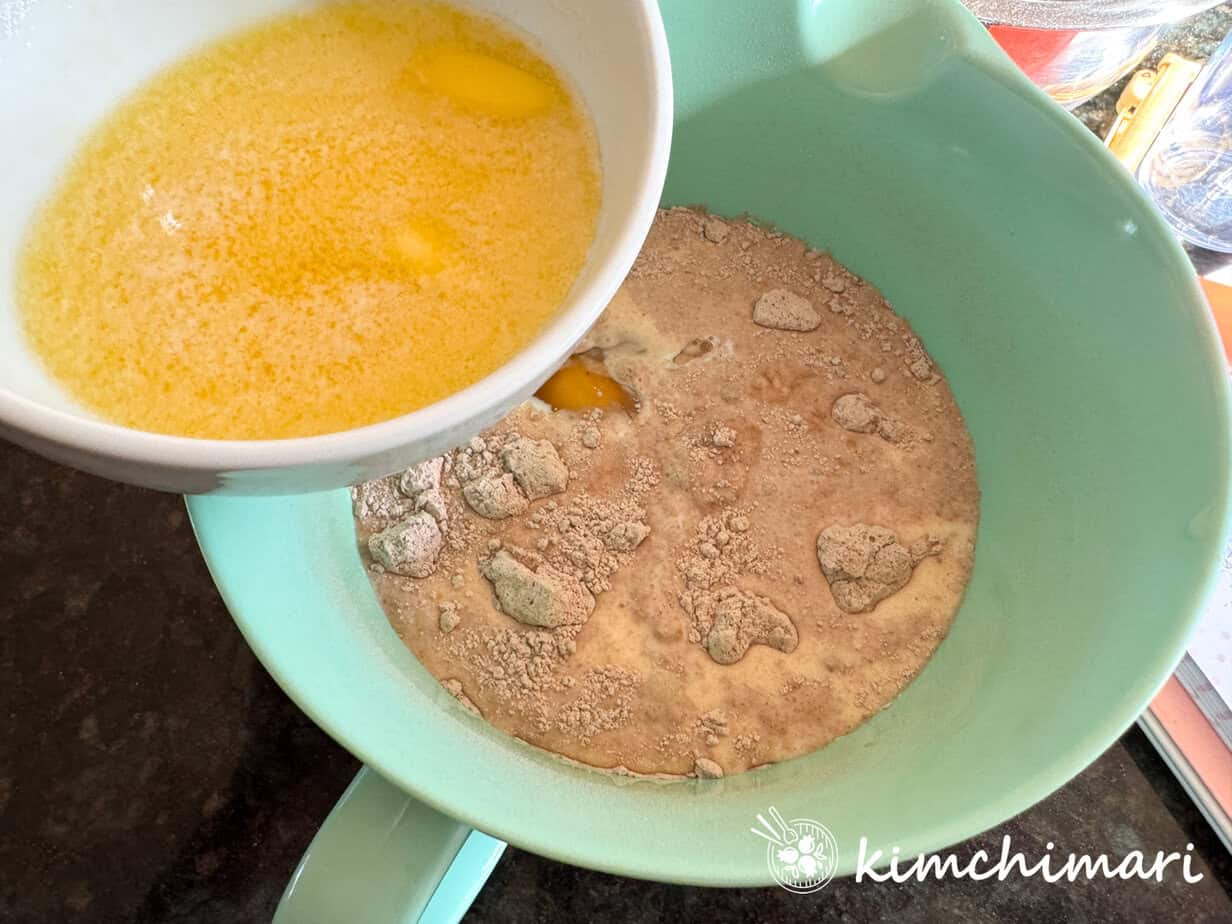
- Butter: Provides richness, moisture, and a crucial part of the characteristic brownie flavor. The quality of butter, whether unsalted or salted, can also play a role in the final taste.
- Sweeteners: A combination of sugars, such as granulated sugar and brown sugar, is typically used to balance the bitterness of the cocoa and provide sweetness and moisture. Brown sugar, with its molasses content, adds a deeper, caramel-like flavor and contributes to a chewier texture.
- Eggs: Act as binders and contribute to the structure and richness of the brownie.
- Vanilla Extract: Enhances the overall flavor profile and complements the chocolate notes.
The creator’s emphasis on specific ingredient choices suggests a nuanced understanding of how each component contributes to the final product. This level of detail is often found in professional culinary guides, indicating a commitment to reproducible and high-quality results.
Culinary Evolution and Market Reception
The emergence of the Chocolate Mochi Brownie can be viewed within the broader context of fusion cuisine and the increasing global popularity of Asian-inspired desserts. The integration of traditional techniques and ingredients from one culture into the established framework of another has led to innovative and exciting culinary creations. The popularity of mochi in Western markets, for instance, has surged in recent years, with mochi ice cream becoming a widely recognized treat. This growing familiarity with mochi’s unique texture has paved the way for its incorporation into other baked goods.
The enthusiastic reception of this particular Chocolate Mochi Brownie, even by non-chocolate lovers, speaks volumes about its balanced flavor and appealing texture. The creator’s personal anecdote about their family’s positive reaction serves as a powerful testimonial, suggesting that the dessert transcends typical flavor preferences. This broad appeal is a significant indicator of its potential for widespread popularity and commercial success.
The development of such recipes often involves a period of community engagement, where bakers share their creations and receive feedback from a wider audience. This feedback loop can be instrumental in refining recipes and identifying new trends. While specific market data for "mochi brownies" is not readily available, the growing interest in gluten-free desserts and unique textural experiences suggests a strong potential market.
Expert Insights and Potential Implications
From a culinary perspective, the Chocolate Mochi Brownie represents a clever application of ingredient science. By substituting sweet rice flour for wheat flour, the creator has not only addressed dietary needs but also unlocked a novel textural dimension. This approach aligns with the growing trend of "better-for-you" desserts, where indulgence is balanced with consideration for dietary restrictions and perceived health benefits.
The implications of this innovation extend beyond the home baker. Food manufacturers may look to similar recipes as inspiration for developing new product lines. The market for gluten-free baked goods is robust, and the addition of a unique textural element like chewiness could differentiate products in a crowded marketplace. Furthermore, the success of fusion desserts like this Chocolate Mochi Brownie highlights the global nature of food trends and the increasing willingness of consumers to explore diverse culinary influences.
The timeline of culinary trends often shows a cyclical pattern, with ingredients and techniques being rediscovered and reinterpreted. The resurgence of interest in rice-based desserts, particularly in Western markets, is a testament to this phenomenon. The Chocolate Mochi Brownie is a contemporary example of this evolution, blending familiar flavors with a novel texture to create something entirely new and exciting.

Conclusion
The Chocolate Mochi Brownie stands as a testament to culinary creativity and the power of ingredient innovation. By leveraging the unique properties of sweet rice flour, this dessert offers a delightful, gluten-free alternative that appeals to a broad spectrum of palates. Its perfect balance of flavors and its signature chewy texture are poised to make it a standout in the ever-evolving world of baked goods, proving that familiar favorites can always be reimagined with exciting new twists. As dietary consciousness grows and culinary boundaries continue to blur, desserts like the Chocolate Mochi Brownie are likely to play an increasingly significant role in shaping the future of our kitchens and dining tables.
