
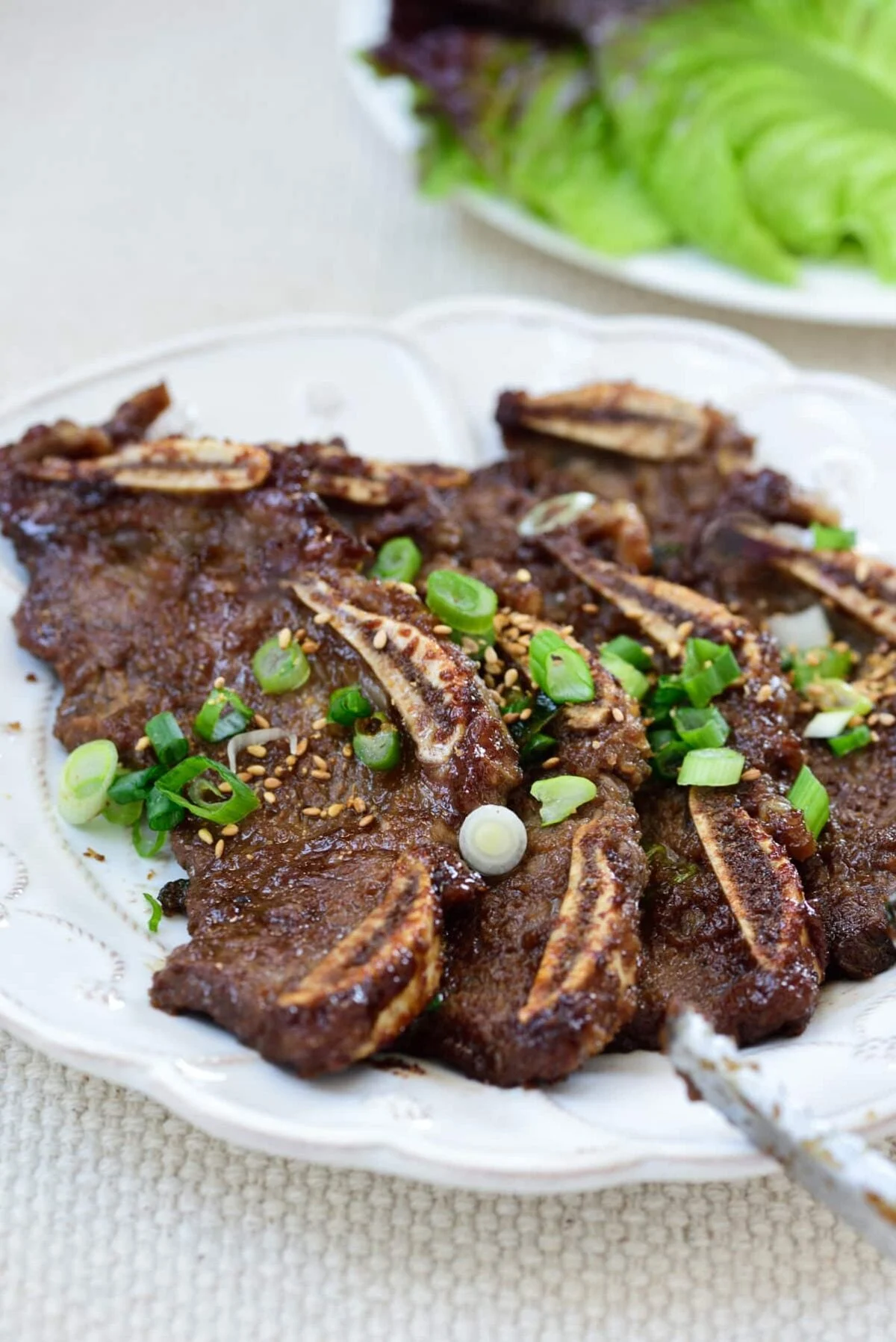
Korean BBQ Short Ribs at Home: A Tried-and-Tested Recipe for the Perfect Galbi Marinade
Embarking on the culinary journey of creating authentic Korean BBQ short ribs, commonly known as Galbi, at home is an endeavor that promises a delightful fusion of sweet, savory, and umami flavors. This guide delves into the intricacies of preparing this beloved dish, offering a comprehensive recipe for the perfect galbi marinade and exploring various cooking methods, from traditional charcoal grilling to modern oven broiling and pan-frying. Galbi is not merely a dish; it’s a cultural cornerstone, often gracing tables during special occasions and family gatherings in Korea, symbolizing warmth, togetherness, and celebration. Its popularity has transcended geographical boundaries, making it a sought-after delicacy worldwide.
The essence of exceptional Galbi lies in two key components: the quality of the beef short ribs and the meticulously crafted marinade. The marinade, a harmonious blend of traditional Korean ingredients, not only infuses the meat with its signature taste but also tenderizes it, transforming a potentially tough cut into a melt-in-your-mouth experience. The resulting short ribs are succulent, with a beautifully caramelized exterior, offering a textural and flavorful contrast that is undeniably addictive.
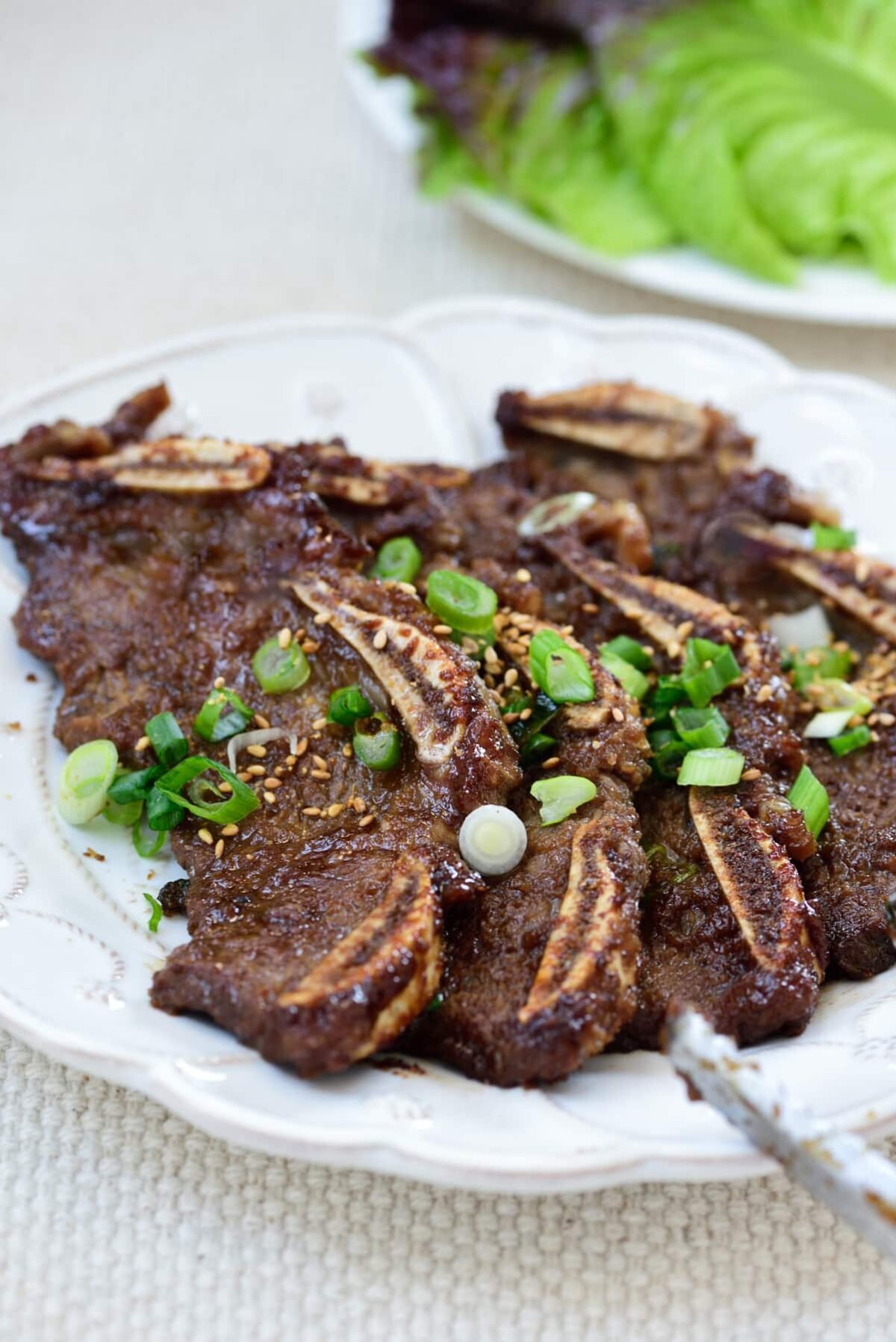
Understanding the Cuts: English vs. Flanken
A crucial aspect of preparing Galbi is understanding the different cuts of beef short ribs. In Korean cuisine, two primary cuts are utilized, each lending itself to distinct preparations.
The English cut refers to short ribs that have been separated and cut into shorter lengths. This cut is versatile and commonly used in Korean cooking for dishes like galbi jjim (braised beef short ribs), where the meat is slow-cooked to achieve extreme tenderness. For grilling, the English cut can be butterflied, creating a larger surface area for marination and searing, enhancing the grilling experience.
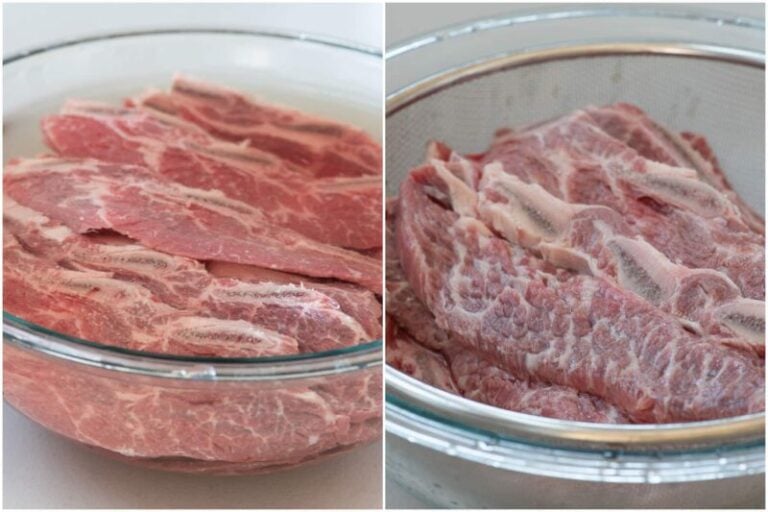
The flanken cut, on the other hand, involves cutting the ribs thinly across the bones. This particular cut is widely recognized as "LA Galbi" in Korean culinary circles. The name is attributed to early Korean immigrants in Los Angeles who favored this thinner cut for grilling, a practice that has since become immensely popular, even within Korea itself. LA Galbi’s thinness allows for quick cooking and efficient absorption of the marinade, making it an ideal choice for home cooks seeking a swift yet authentic BBQ experience.
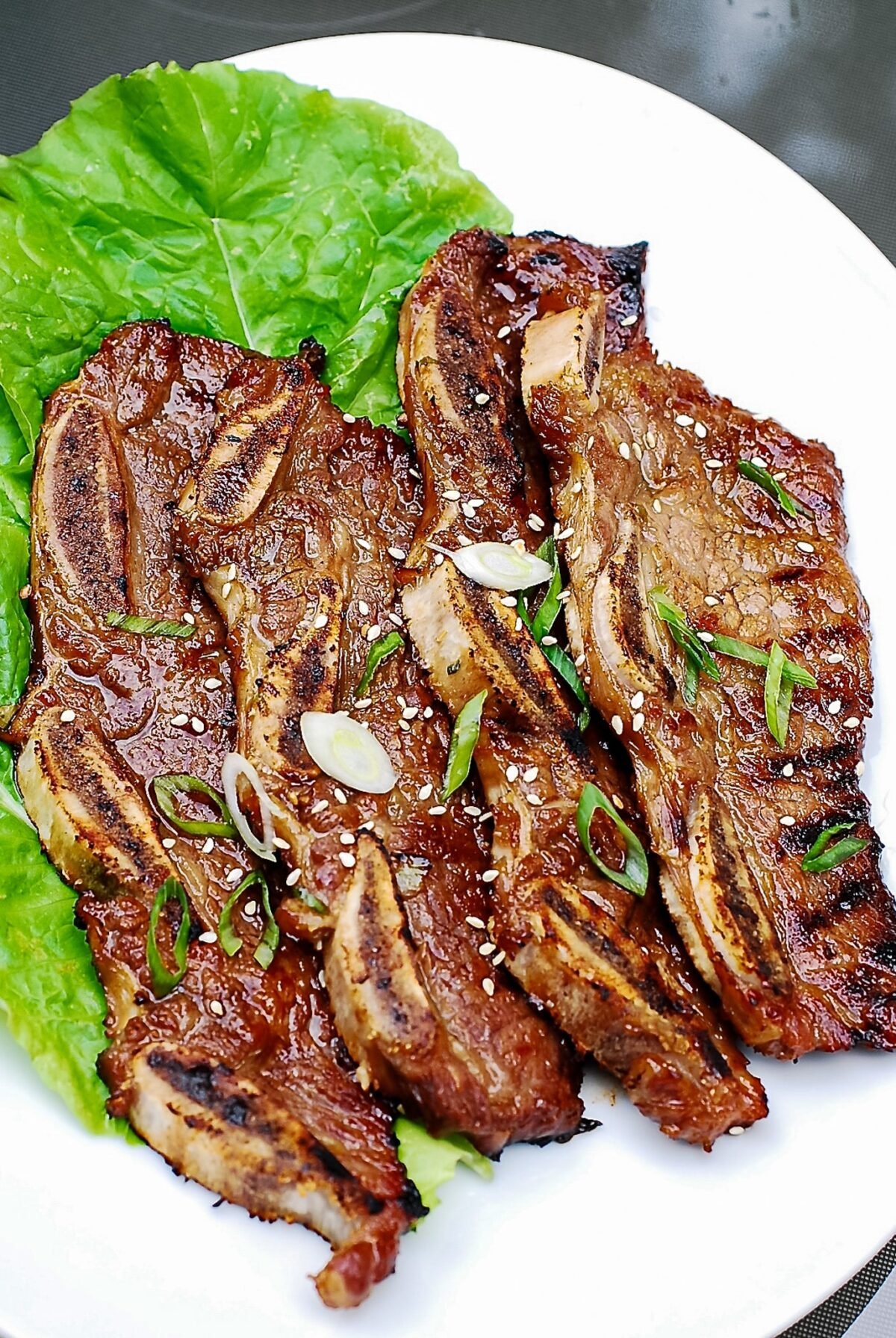
The Alchemy of the Galbi Marinade: Balancing Tradition and Innovation
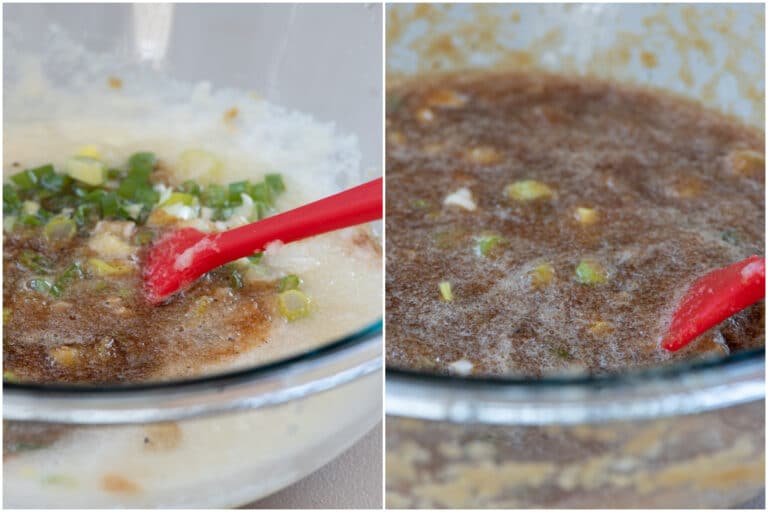
The heart of any successful Galbi dish lies in its marinade. While modern adaptations might incorporate ingredients like kiwi, pineapple, or even cola for tenderizing, the traditional approach emphasizes natural, subtle flavors. This recipe champions the use of Korean or Asian pear, a time-honored ingredient that provides a delicate sweetness while effectively tenderizing the meat.
The marinade’s composition is a testament to Korean culinary philosophy, striving for a balanced interplay of sweet and savory notes. Grated onion and a touch of alcohol further contribute to the meat’s tenderness, ensuring a succulent outcome. The resulting flavor profile is nuanced and harmonious, avoiding the pitfalls of being overly sweet or excessively salty.
Substitutions and Considerations for the Pear Component:
For those unable to source Korean or Asian pears, apples offer a readily available alternative. Other effective substitutes include Korean maesilcheong (green plum syrup) or approximately 1/4 cup of apple or pineapple juice. If opting for kiwi, a potent tenderizer, moderation is key. It is advisable to use a small amount, such as half a kiwi (or a third if large) for every two pounds of meat, to prevent over-tenderizing, which can result in a mushy texture.
Sweetness Control: A Health-Conscious Approach
For individuals mindful of sugar intake, the marinade can be adjusted. Increasing the proportion of fruits or utilizing 100% fruit juice can naturally enhance sweetness, allowing for a reduction or even omission of added sugar. This flexibility ensures that the Galbi can cater to diverse dietary preferences without compromising on flavor.
The Marination Process: Patience Yields Perfection
The marination period is critical for allowing the flavors to fully penetrate the meat and for the tenderizing agents to work their magic. While a minimum of 6-8 hours is recommended, overnight marination or even up to 24 hours will yield the most profound flavor development and optimal tenderness. For thicker cuts of meat, extending the marination time is advisable.
Cooking LA Galbi: Versatility in Preparation
The beauty of LA Galbi lies in its adaptability to various cooking methods, allowing enthusiasts to recreate the Korean BBQ experience regardless of their equipment.
Grilling: The Traditionalists’ Choice
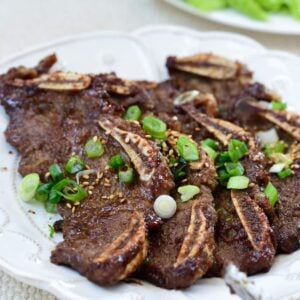
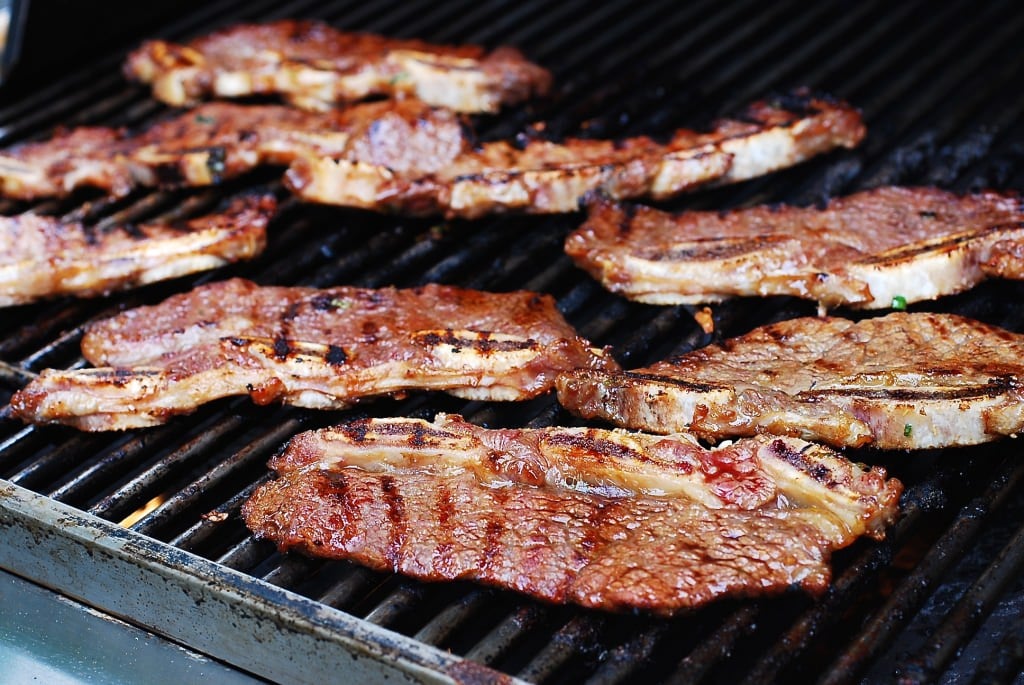
The quintessential method for preparing Galbi is grilling, ideally over charcoal for that authentic smoky aroma and flavor. In Korea, this is known as sootbul.
- Charcoal Grill: Preheat your charcoal grill to medium-high heat. Once the coals are ready, place the marinated short ribs on the grill. Cook for approximately 2-3 minutes per side, until beautifully seared and slightly charred.
- Gas Grill: A gas grill offers similar results. Preheat to medium-high and follow the same grilling time as for charcoal.
- Grill Pan: For those without an outdoor grill, a stovetop grill pan can be an effective substitute. Heat the pan over medium-high heat and grill the ribs for 2-3 minutes per side.
Broiling: Oven-Baked Convenience
For a convenient oven-based alternative, the broiler setting provides a quick and effective way to cook Galbi.
- Preheat your oven’s broiler and position an oven rack about 6 inches from the heat source.
- Arrange the marinated short ribs in a single layer on a broiling pan.
- Broil for 5-6 minutes on the first side, until the edges begin to char and caramelize.
- Flip the ribs and broil for an additional 3-4 minutes. Vigilance is crucial during broiling to prevent the sugars from burning the meat.
Pan-Frying: A Quick and Flavorful Method
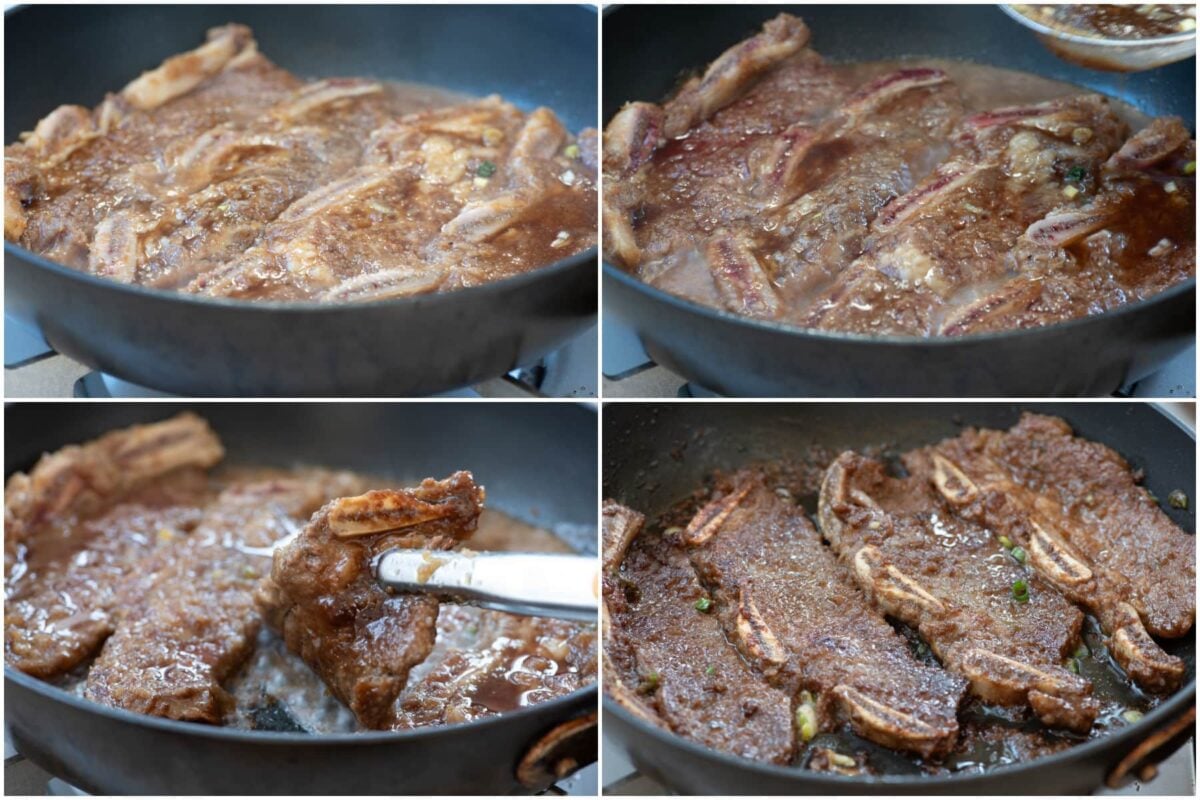
Pan-frying offers a rapid cooking solution, particularly beneficial when time is limited. However, due to the sugar and fruit content in the marinade, careful attention is needed to prevent burning. This method resembles a quick braise, where the residual marinade liquid helps to keep the meat moist and flavorful.
- Heat a large non-stick skillet over medium heat.
- Place the short ribs in a single layer in the hot pan (typically 4-5 ribs, depending on pan size). Sear for 4-5 minutes until browned.
- As the pan begins to dry, carefully add the marinade through a strainer to introduce moisture and flavor.
- Flip the ribs and continue to cook for another 4-5 minutes, or until the sauce has reduced and the ribs are nicely browned and caramelized.
The Marination Timeline: A Crucial Element
The marination process is not to be rushed. For optimal flavor infusion and tenderness, it is recommended to marinate the short ribs for a minimum of 6 to 8 hours. For the best results, marinating overnight, or even for up to 24 hours, is ideal. The thickness of the meat will influence the required marination time, with thicker cuts benefiting from a longer soak.
Accompaniments: Completing the Korean BBQ Ensemble
A true Korean BBQ experience is a symphony of flavors and textures, and the accompaniments play a vital role in harmonizing the meal.
- Fresh Kimchi and Salads: Fresh kimchi varieties, such as baechu geotjeori (fresh kimchi salad) or baby bok choy kimchi salad, provide a refreshing contrast to the richness of the short ribs.
- Noodle Dishes: Japchae, a popular Korean stir-fried glass noodle dish, is a classic pairing that complements grilled meats exceptionally well.
- Pickled Delicacies: Pickled vegetables like maneul jangajji (pickled garlic) and kkaennip kimchi (perilla leaf kimchi) offer a tangy counterpoint that cuts through the fattiness of the meat, enhancing the overall dining experience. Exploring a collection of Korean vegetable side dishes can offer further inspiration.
- Lettuce Wraps (Ssam): The quintessential Korean BBQ ritual involves wrapping the grilled meat in fresh red or green leaf lettuce. This ssam is typically enhanced with ssamjang (a savory paste made from doenjang and gochujang) or simply gochujang.
- Aromatic Additions: For an extra layer of flavor and aroma in the wraps, consider adding perilla leaves (kkaennip) and crown daisy (ssukgat) if available.
- Scallion Salad (Pa Muchim): A vibrant pa muchim, or scallion salad, offers a refreshing and slightly peppery element that perfectly complements any Korean BBQ meat.
Further Korean BBQ Culinary Explorations
For those seeking to expand their Korean BBQ repertoire, a variety of other recipes await. From marinated pork belly (samgyeopsal) to thinly sliced beef (bulgogi), the world of Korean BBQ offers a diverse range of flavors and cooking techniques. Exploring these culinary avenues can further enrich the home dining experience, allowing for a comprehensive immersion into the vibrant culture of Korean barbecue.
The popularity of Korean BBQ, and Galbi in particular, has seen a significant surge globally. This is driven by factors such as the rise of Korean popular culture (Hallyu), increased accessibility to Korean ingredients, and a growing appreciation for the communal and interactive nature of the dining experience. The ability to recreate these beloved dishes at home empowers individuals to partake in this rich culinary tradition, fostering a deeper connection with Korean cuisine. The enduring appeal of Galbi lies not just in its delicious taste but in its ability to bring people together, creating memorable moments around the table.
