
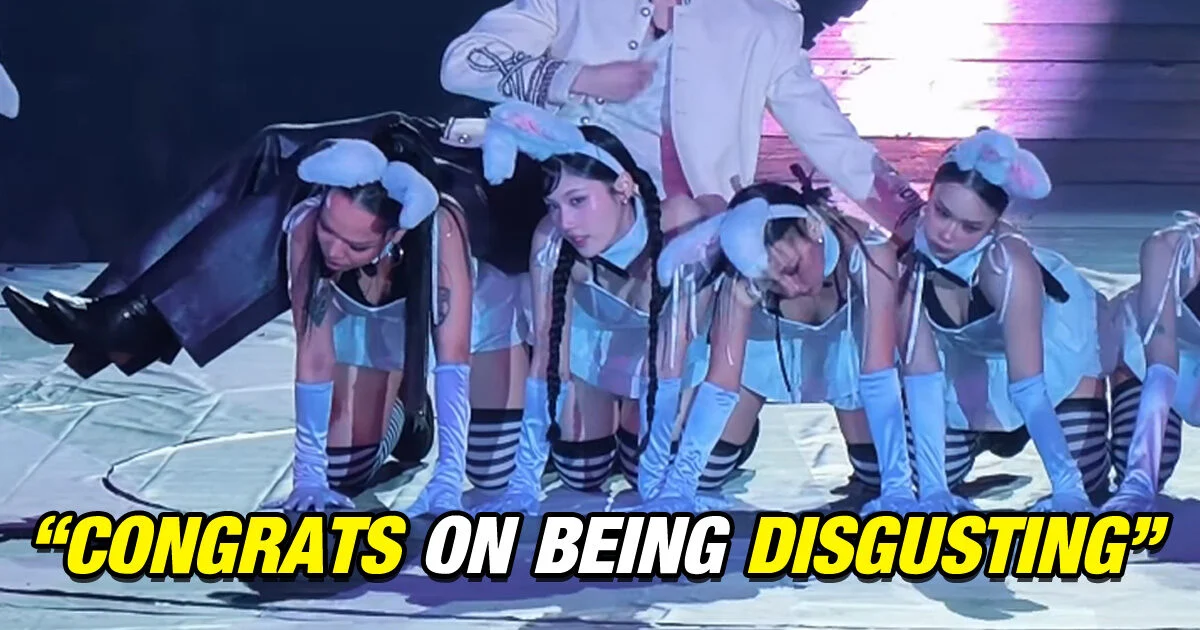
A recent performance by prominent Thai singer-actor Natachai "Dunk" Boonprasert has ignited a firestorm of criticism across social media platforms, with many viewers denouncing the act as overtly misogynistic and objectifying towards female performers. The incident occurred during the "JOONG DUNK EYES ON YOU FANCON," held on April 5th and 6th, 2026, where Boonprasert, known for his roles in popular Boys’ Love (BL) dramas, utilized female backup dancers as literal "furniture" on stage.
The Controversial Performance in Detail
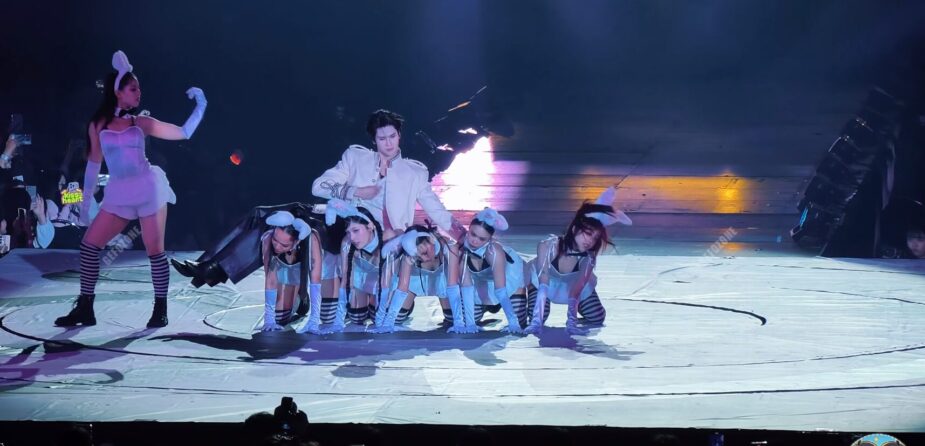
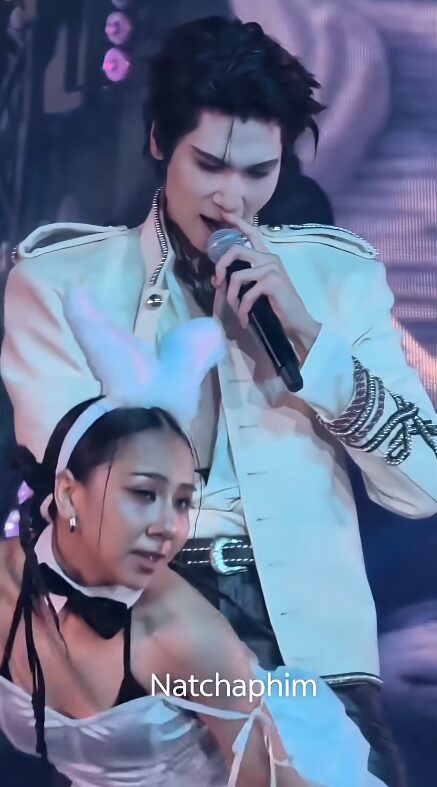
The incident unfolded during Boonprasert’s solo stage, where he performed "White Rabbit," a track originally by Thai artist Daou Pittaya. During the choreography, Boonprasert, dressed in an eye-catching stage outfit, was accompanied by an all-female backup dance crew. These dancers were clad in distinctive bunny-themed costumes, a choice that itself drew some initial comments but became secondary to the ensuing controversy.
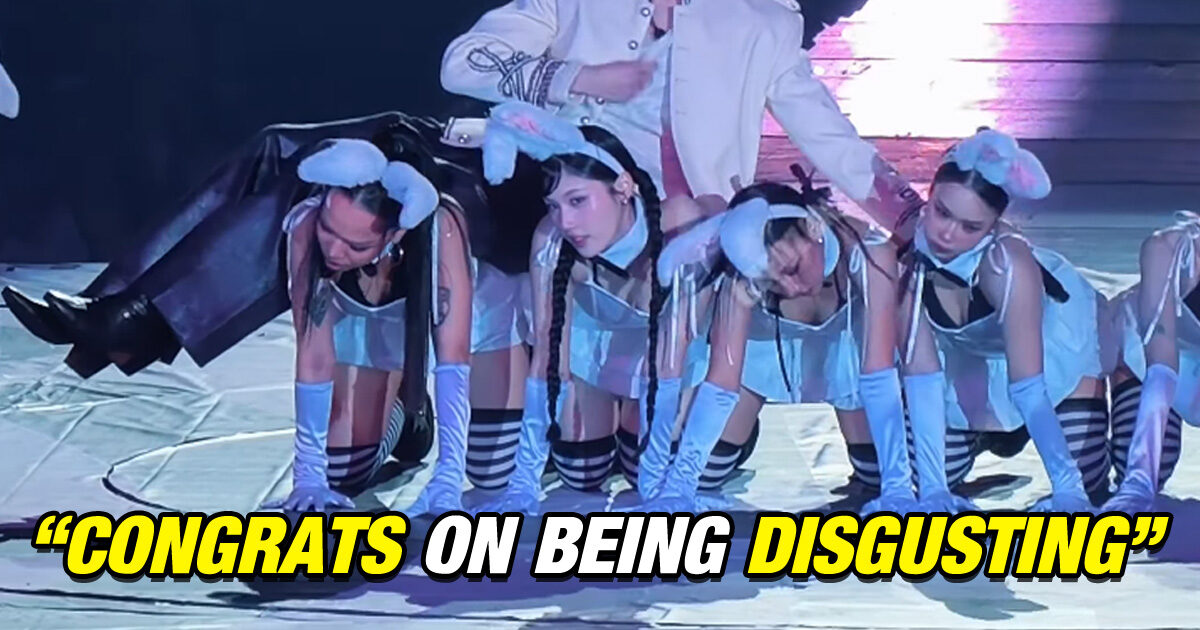
The most contentious moment arrived when Boonprasert interacted with the dancers in a manner that viewers found deeply disturbing. Specifically, he was observed sitting and leaning on the female performers, who were posed on all fours, effectively transforming them into human props or "furniture" for his act. Images and video clips circulating online vividly depict this scene, showing Boonprasert casually resting his weight upon the women, who maintained their positions to support him. This particular segment of the performance quickly became the focal point of a rapidly escalating online debate.
The choreography decision sparked immediate and widespread condemnation from fans and general audiences alike. Many critics highlighted the dehumanizing aspect of the act, arguing that it reduced the female dancers to mere objects rather than recognizing them as professional performers. The use of the bunny outfits, often associated with sexualized imagery, further exacerbated these concerns, leading to accusations that the performance was not only disrespectful but also reinforced harmful stereotypes about women in entertainment.
Artist Background: Natachai "Dunk" Boonprasert and GMMTV
Natachai Boonprasert, widely known by his nickname Dunk, is a prominent figure in the Thai entertainment industry. Signed under GMMTV, one of Thailand’s largest and most influential entertainment companies, Boonprasert has built a significant following as an actor, singer, and model. He first rose to widespread recognition through his leading roles in several successful BL television series, a genre that has garnered immense popularity both domestically and internationally. His notable works include Star & Sky: Star in My Mind, Hidden Agenda, and The Heart Killers. He is also famously known as one half of the popular "JoongDunk" pairing, alongside Archen Aydin, with whom he has portrayed on-screen lovers in multiple projects, cultivating a dedicated fanbase.
GMMTV, the agency representing Boonprasert, is a subsidiary of GMM Grammy, Thailand’s largest media conglomerate. The company is renowned for producing a vast array of television dramas, films, and variety shows, and manages a roster of highly popular actors and artists. GMMTV has been instrumental in the global spread of Thai entertainment, particularly the BL genre, which has cultivated a diverse and passionate international audience. However, the company has not been immune to controversy, having previously faced criticism regarding its treatment of female artists.
The "JOONG DUNK EYES ON YOU FANCON" Context
The "JOONG DUNK EYES ON YOU FANCON" was a highly anticipated event for the dedicated fanbase of the JoongDunk pairing. Fan concerts, or "fancons," are common in the Asian entertainment industry, serving as interactive events where artists perform, engage in games, and interact directly with their supporters. These events are crucial for fostering a strong connection between artists and their audience, often featuring unique performances and fan service elements. The fancon, held over two days, April 5th and 6th, 2026, was expected to be a celebratory occasion, showcasing the talents of both Dunk and Joong.
Given the nature of BL fandoms, which often champion progressive themes of love, acceptance, and breaking traditional gender norms, the controversial performance came as a particular shock to many of Boonprasert’s supporters. The genre itself, while focusing on same-sex romance, frequently attracts an audience that is sensitive to issues of gender equality and respectful representation. This inherent context amplified the dissonance felt by many viewers regarding the perceived misogynistic undertones of Boonprasert’s act. The choice of "White Rabbit," a song by Daou Pittaya, was intended to be a special solo stage, yet it inadvertently became the catalyst for a significant public relations crisis.

Public Outcry and Social Media Reactions
The immediate aftermath of the performance saw a rapid proliferation of criticisms across various social media platforms, most notably Twitter (now X). Netizens expressed outrage, disappointment, and disgust, with many highlighting the blatant objectification of the female dancers. Tweets, often accompanied by video clips and screenshots of the performance, quickly went viral.
One prominent tweet, from user @Loooreleii_, succinctly captured the sentiment: "Bro… sitting on the all female dancers like they’re furniture is seriously dehumanising." This comment resonated with countless others who felt the act stripped the dancers of their agency and dignity. Another user, @rkivedfkt, elaborated on the issue, stating, "there is NOTHING wrong with dancing with WOMEN, but what’s upsetting is how the choreography is clearly built around objectifying them. i honestly don’t get how anyone can watch that and not question it. having women positioned like that on the floor, made into props, dressed in…" This analysis underscored that the issue was not the presence of female dancers, but the specific, demeaning way they were utilized.
The backlash intensified on the second day of the fancon, April 6th, 2026, as more details and further instances of perceived disrespect emerged. Some netizens alleged that Boonprasert, rather than acknowledging the initial criticism, displayed a "smirk" during a segment where a female dancer was grinding on him, further fueling accusations of insensitivity and defiance. User @grtspl remarked, "imagine getting criticized for performing a stage that’s sexualizing, objectifying and degrading women and instead of listening to the criticism and changing the stage, you do the same stage but add a smirk when woman is grinding on you… yeah congrats dunk on being disgusting." This reaction points to a broader concern about accountability and the artist’s perceived response to negative feedback.
Comparison to Original Performance and Prior Controversies
A significant point of comparison raised by many online critics was the original performance of "White Rabbit" by Daou Pittaya. Netizens were quick to point out that Pittaya’s rendition, while also featuring dancers, did so in a manner that was not seen as degrading or objectifying. The original artist’s performance reportedly included both male and female dancers, integrated into the choreography without any instances of them being used as human props. This comparison served to highlight that the controversial elements were not inherent to the song itself but were specific choreographic choices made for Boonprasert’s stage. User @phuwlw emphasized this distinction, noting, "this is bisexual song… you dont see the performance from the original singer objectifying women, its dancing with men & women."
This controversy is not an isolated incident for GMMTV. The entertainment giant has previously faced public scrutiny for its perceived misogynistic practices. Notably, the company made headlines for incidents where its female artists were reportedly made to kneel in certain public appearances or promotional events, a practice widely condemned as demeaning and reinforcing outdated hierarchical gender roles. The recurrence of such issues has led many to question GMMTV’s internal policies and its commitment to promoting gender equality within its talent management and production practices. The tweet from user @namtanfilmr, stating "what can we expect from @gmmtv? lmao," encapsulated the growing cynicism towards the agency’s repeated involvement in such controversies.
GMMTV’s Track Record and Industry Standards
The Thai entertainment industry, while vibrant and globally influential, has, like many others, faced ongoing challenges regarding gender representation and the treatment of female artists. The practice of objectification, unfortunately, is not uncommon across various forms of media and performance. However, there has been a growing global movement towards greater awareness and rejection of such practices, driven largely by social media activism and changing societal norms.
GMMTV, as a leading industry player, is expected to set high standards for ethical conduct and respectful representation. The repeated controversies surrounding the treatment of its female talent, from the kneeling incidents to the current backlash against Boonprasert’s performance, suggest a potential systemic issue within the company’s creative direction or talent management philosophy. Critics argue that these incidents reflect a broader failure to adequately address concerns about misogyny and gender inequality, despite the company’s outward-facing image as a progressive producer of diverse content, particularly within the BL genre.
The BL genre itself, while celebrated for its representation of queer relationships, is not exempt from the broader discourse on gender politics. Many BL fans, who advocate for inclusivity and respect, often hold BL actors and their agencies to a higher standard regarding social responsibility. This creates a complex dynamic where an artist’s personal brand, cultivated through roles that challenge traditional romantic narratives, can be severely undermined by actions perceived as regressive or disrespectful towards women.
Broader Implications: Objectification in Entertainment and Fan Expectations
The backlash against Boonprasert’s performance extends beyond a single incident; it highlights a persistent issue of objectification in the entertainment industry. Using human beings, especially women, as inanimate props, whether explicitly or implicitly, reduces their humanity and perpetuates harmful stereotypes. Such acts can normalize the idea that women exist primarily for the gratification or convenience of others, undermining efforts towards gender equality.
For Boonprasert, the implications could be significant. As an actor primarily known for roles that promote empathy and understanding within romantic relationships, this incident stands in stark contrast to his established public persona. The BL fanbase, often characterized by its strong social consciousness, may view this as a betrayal of the values they associate with the genre and its stars. This could lead to a decline in fan engagement, damage to his personal brand, and potentially impact future career opportunities, particularly if the controversy is not adequately addressed.
For GMMTV, the repeated nature of these controversies poses a serious threat to its reputation. In an increasingly interconnected world, where social media amplifies public opinion instantly, companies are under immense pressure to demonstrate corporate social responsibility. A failure to address these concerns decisively could lead to boycotts, loss of public trust, and difficulty attracting new talent or maintaining existing partnerships. It also raises questions about the training provided to artists regarding respectful interactions and the creative processes behind stage productions.
Lack of Official Response and Future Outlook
As of the time of this report, neither Natachai "Dunk" Boonprasert nor GMMTV has issued an official statement or apology regarding the mounting criticism. This silence has further fueled public frustration, with many demanding accountability and a clear commitment to addressing the issues raised. The absence of an immediate response often suggests an internal deliberation process, but it can also be interpreted as indifference or a lack of understanding regarding the severity of the public’s concerns.
The unfolding situation places both Boonprasert and GMMTV at a critical juncture. The entertainment landscape is rapidly evolving, with audiences increasingly demanding ethical conduct and respectful representation from their idols and the companies that manage them. How GMMTV chooses to respond, or not respond, to this controversy will undoubtedly have long-term repercussions for Boonprasert’s career and the agency’s standing within the industry and among its global fanbase. The incident serves as a stark reminder of the heightened scrutiny artists and entertainment companies face in the digital age, underscoring the imperative for genuine commitment to inclusive and respectful practices. The expectation from the public remains for a transparent and meaningful resolution that acknowledges the harm caused and outlines concrete steps to prevent similar incidents in the future.
